Reading view

How Do Hackers Hack Phones and How Can I Prevent It?
How do hackers hack phones? In several ways. But also, there are several ways you can prevent it from happening to you. The thing is that our phones are like little treasure chests. They’re loaded with plenty of personal data, and we use them to shop, bank, and take care of other personal and financial matters—all of which are of high value to identity thieves. However, you can protect yourself and your phone by knowing what to look out for and by taking a few simple steps. Let’s break it down by first understanding what phone hacking is, taking a look at some common attacks, and learning how you can prevent it.

What is phone hacking?

Phone hacking refers to any method where an unauthorized third party gains access to your smartphone and its data. This isn’t just one single technique; it covers a wide range of cybercrimes. A phone hack can happen through software vulnerabilities, like the spyware campaigns throughout the years that could monitor calls and messages. It can also occur over unsecured networks, such as a hacker intercepting your data on public Wi-Fi. Sometimes, it’s as simple as physical access, where someone installs tracking software on an unattended device. 

Types of smartphone hacks and attacks

Hackers have multiple avenues of attacking your phone. Among these common methods are using malicious apps disguised as legitimate software, exploiting the vulnerabilities of unsecure public Wi-Fi networks, or deploying sophisticated zero-click exploits that require no interaction from you at all. The most common method, however, remains social engineering, where they trick you into giving them access. Let’s further explore these common hacking techniques below.

Hacking software

Whether hackers sneak it onto your phone by physically accessing your phone or by tricking you into installing it via a phony app, a sketchy website, or a phishing attack, hacking software can create problems for you in a couple of ways:

  • Keylogging: In the hands of a hacker, keylogging works like a stalker by snooping information as you type, tap, and even talk on your phone.
  • Trojans: Trojans are malware disguised in your phone to extract important data, such as credit card account details or personal information.

Some possible signs of hacking software on your phone include:

  • A battery that drains way too quickly.
  • Your phone runs a little sluggish or gets hot.
  • Apps quit suddenly or your phone shuts off and turns back on.
  • You see unrecognized data, text, or other charges on your bill.

In all, hacking software can eat up system resources, create conflicts with other apps, and use your data or internet connection to pass your personal information into the hands of hackers.

Phishing attacks

This classic form of attack has been leveled at our computers for years. Phishing is where hackers impersonate a company or trusted individual to get access to your accounts or personal info or both. These attacks take many forms such as emails, texts, instant messages, and so forth, some of which can look really legitimate. Common to them are links to bogus sites that attempt to trick you into handing over personal info or that install malware to wreak havoc on your device or likewise steal information. Learning to spot a phishing attack is one way to keep yourself from falling victim to one.

Bluetooth hacking

Professional hackers can use dedicated technologies that search for vulnerable mobile devices with an open Bluetooth connection. Hackers can pull off these attacks when they are within range of your phone, up to 30 feet away, usually in a populated area. When hackers make a Bluetooth connection to your phone, they might access your data and info, yet that data and info must be downloaded while the phone is within range. This is a more sophisticated attack given the effort and technology involved.

SIM card swapping

In August of 2019, then CEO of Twitter had his phone hacked by SIM card swapping scam. In this type of scam, a hacker contacts your phone provider, pretends to be you, then asks for a replacement SIM card. Once the provider sends the new SIM to the hacker, the old SIM card is deactivated, and your phone number will be effectively stolen. This enables the hacker to take control of your phone calls, messages, among others. The task of impersonating someone else seems difficult, yet it happened to the CEO of a major tech company, underscoring the importance of protecting your personal info and identity online to prevent hackers from pulling off this and other crimes.

Vishing or voice phishing

While a phone call itself cannot typically install malware on your device, it is a primary tool for social engineering, known as vishing or voice phishing. A hacker might call, impersonating your bank or tech support company, and trick you into revealing sensitive information like passwords or financial details. They might also try to convince you to install a malicious app. Another common tactic is the “one-ring” scam, where they hang up hoping you’ll call back a premium-rate number. To stay safe, be wary of unsolicited calls, never provide personal data, block suspicious numbers, and check that your call forwarding isn’t enabled.

Low-power mode hacks

Generally, a phone that is powered off is a difficult target for remote hackers. However, modern smartphones aren’t always truly off. Features like Apple’s Find My network can operate in a low-power mode, keeping certain radios active. Furthermore, if a device has been previously compromised with sophisticated firmware-level malware, it could activate upon startup. The more common risk involves data that was already stolen before the phone was turned off or if the device is physically stolen. While it’s an uncommon scenario, the only sure way to take a device offline and completely sever all power is by removing the battery, where possible.

Camera hacks

Hacking a phone’s camera is referred to as camfecting, usually done through malware or spyware hidden within a rogue application. Once installed, these apps can gain unauthorized permission to access your camera and record video or capture images without your knowledge. Occasionally, vulnerabilities in a phone’s operating system (OS) have been discovered that could allow for this, though these are rare and usually patched quickly. Protect yourself by regularly reviewing app permissions in your phone’s settings—for both iOS and Android—and revoking camera access for any app that doesn’t absolutely need it. Always keep your OS and apps updated to the latest versions.

Android vs. iPhone: Which is harder to hack?

This is a long-standing debate with no simple answer. iPhones are generally considered more secure due to Apple’s walled garden approach: a closed ecosystem, a strict vetting process for the App Store, and timely security updates for all supported devices. Android’s open-source nature offers more flexibility but also creates a more fragmented ecosystem, where security updates can be delayed depending on the device manufacturer. However, both platforms use powerful security features like application sandboxing. 

The most important factor is not the brand but your behavior. A user who practices good digital hygiene—using strong passwords, avoiding suspicious links, and vetting apps—is well-protected on any platform.

Signs your phone has been hacked

Detecting a phone hack early can save you from significant trouble. Watch for key red flags: your battery draining much faster than usual, unexpected spikes in your mobile data usage, a persistently hot device even when idle, or a sudden barrage of pop-up ads. You might also notice apps you don’t remember installing or find that your phone is running unusually slow. To check, go into your settings to review your battery and data usage reports for any strange activity. The most effective step you can take is to install a comprehensive security app, like McAfee® Mobile Security, to run an immediate scan and detect any threats.

How to remove a hacker from your phone

Discovering that your phone has been hacked can be alarming, but acting quickly can help you regain control and protect your personal information. Here are the urgent steps to take so you can remove the hacker, secure your accounts, and prevent future intrusions.

  1. Disconnect immediately: Turn on Airplane Mode to cut off the hacker’s connection to your device via Wi-Fi and cellular data.
  2. Run an antivirus scan: Use a reputable mobile security app to scan your phone, and identify and remove malicious software.
  3. Review and remove apps: Manually check your installed applications. Delete any you don’t recognize or that look suspicious. While you’re there, review app permissions and revoke access for any apps that seem overly intrusive.
  4. Change your passwords: Using a separate, secure device, change the passwords for your critical accounts immediately—especially for your email, banking, and social media.
  5. Perform a factory reset: For persistent infections, a factory reset is the most effective solution. This will wipe all data from your phone, so ensure you have a clean backup—the time before you suspected a hack—to restore from.
  6. Monitor your accounts: After securing your device, keep a close eye on your financial and online accounts for any unauthorized activity.

10 tips to prevent your phone from being hacked

While there are several ways a hacker can get into your phone and steal personal and critical information, here are a few tips to keep that from happening:

  1. Use comprehensive security software. We’ve gotten into the good habit of using this on our desktop and laptop computers. Our phones? Not so much. Installing security software on your smartphone gives you a first line of defense against attacks, plus additional security features.
  2. Update your phone OS and its apps. Keeping your operating system current is the primary way to protect your phone. Updates fix vulnerabilities that cybercriminals rely on to pull off their malware-based attacks. Additionally, those updates can help keep your phone and apps running smoothly while introducing new, helpful features.
  3. Stay safe on the go with a VPN. One way that crooks hack their way into your phone is via public Wi-Fi at airports, hotels, and even libraries. This means your activities are exposed to others on the network—your bank details, password, all of it. To make a public network private and protect your data, use a virtual private network.
  4. Use a password manager. Strong, unique passwords offer another primary line of defense, but juggling dozens of passwords can be a task, thus the temptation to use and reuse simpler passwords. Hackers love this because one password can be the key to several accounts. Instead, try a password manager that can create those passwords for you and safely store them as well. Comprehensive security software will include one.
  5. Avoid public charging stations. Charging your device at a public station seems so convenient. However, some hackers have been known to juice jack by installing malware into the charging station, while stealing your passwords and personal info. Instead, bring a portable power pack that you can charge ahead of time. They’re pretty inexpensive and easy to find.
  6. Keep your eyes on your phone. Many hacks happen simply because a phone falls into the wrong hands. This is a good case for password or PIN protecting your phone, as well as turning on device tracking to locate your phone or wipe it clean remotely if you need to. Apple and Google provide their users with a step-by-step guide for remotely wiping devices.
  7. Encrypt your phone. Encrypting your cell phone can save you from being hacked and can protect your calls, messages, and critical information. To check if your iPhone is encrypted, go into Touch ID & Passcode, scroll to the bottom, and see if data protection is enabled. Typically, this is automatic if you have a passcode enabled. Android users have automatic encryption depending on the type of phone.
  8. Lock your SIM card. Just as you can lock your phone, you can also lock the SIM card that is used to identify you, the owner, and to connect you to your cellular network. Locking it keeps your phone from being used on any other network than yours. If you own an iPhone, you can lock it by following these simple directions. For other platforms, check out the manufacturer’s website.
  9. Turn off your Wi-Fi and Bluetooth when not in use. Think of it as closing an open door. As many hacks rely on both Wi-Fi and Bluetooth to be performed, switching off both can protect your privacy in many situations. You can easily turn off both from your settings by simply pulling down the menu on your home screen.
  10. Steer clear of unvetted third-party app stores. Google Play and Apple’s App Store have measures in place to review and vet apps, and ensure that they are safe and secure. Third-party sites may not have that process and might intentionally host malicious apps. While some cybercriminals have found ways to circumvent Google and Apple’s review process, downloading a safe app from them is far greater than anywhere else.

Final thoughts

Your smartphone is central to your life, so protecting it is essential. Ultimately, your proactive security habits are your strongest defense against mobile hacking. Make a habit of keeping your operating system and apps updated, be cautious about the links you click and the networks you join, and use a comprehensive security solution like McAfee® Mobile Security.

By staying vigilant and informed, you can enjoy all the benefits of your mobile device with confidence and peace of mind. Stay tuned to McAfee for the latest on how to protect your digital world from emerging threats.

The post How Do Hackers Hack Phones and How Can I Prevent It? appeared first on McAfee Blog.

  •  

How to Spot Phishing Emails and Scams

There are plenty of phish in the sea. 

Millions of bogus phishing emails land in millions of inboxes each day with one purpose in mind—to rip off the recipient. Whether they’re out to crack your bank account, steal personal information, or both, you can learn how to spot phishing emails and keep yourself safe. 

And some of today’s phishing emails are indeed getting tougher to spot.  

They seem like they come from companies you know and trust, like your bank, your credit card company, or services like Netflix, PayPal, and Amazon. And some of them look convincing. The writing and the layout are crisp, and the overall presentation looks professional. Yet still, there’s still something off about them.  

And there’s certainly something wrong with that email. It was written by a scammer. Phishing emails employ a bait-and-hook tactic, where an urgent or enticing message is the bait and malware or a link to a phony login page is the hook.  

Once the hook gets set, several things might happen. That phony login page may steal account and personal information. Or that malware might install keylogging software that steals information, viruses that open a back door through which data can get hijacked, or ransomware that holds a device and its data hostage until a fee is paid. 

Again, you can sidestep these attacks if you know how to spot them. There are signs. 

Let’s look at how prolific these attacks are, pick apart a few examples, and then break down the things you should look for. 

Phishing attack statistics—the millions of attempts made each year. 

In the U.S. alone, more than 300,000 victims reported a phishing attack to the FBI in 2022. Phishing attacks topped the list of reported complaints, roughly six times greater than the second top offender, personal data breaches. The actual figure is undoubtedly higher, given that not all attacks get reported. 

Looking at phishing attacks worldwide, one study suggests that more than 255 million phishing attempts were made in the second half of 2022 alone. That marks a 61% increase over the previous year. Another study concluded that 1 in every 99 mails sent contained a phishing attack.  

Yet scammers won’t always cast such a wide net. Statistics point to a rise in targeted spear phishing, where the attacker goes after a specific person. They will often target people at businesses who have the authority to transfer funds or make payments. Other targets include people who have access to sensitive information like passwords, proprietary data, and account information. 

As such, the price of these attacks can get costly. In 2022, the FBI received 21,832 complaints from businesses that said they fell victim to a spear phishing attack. The adjusted losses were over $2.7 billion—an average cost of $123,671 per attack. 

So while exacting phishing attack statistics remain somewhat elusive, there’s no question that phishing attacks are prolific. And costly. 

What does a phishing attack look like? 

Nearly every phishing attack sends an urgent message. One designed to get you to act. 

Some examples … 

  • “You’ve won our cash prize drawing! Send us your banking information so we can deposit your winnings!” 
  • “You owe back taxes. Send payment immediately using this link or we will refer your case to law enforcement.” 
  • “We spotted what might be unusual activity on your credit card. Follow this link to confirm your account information.” 
  • “There was an unauthorized attempt to access your streaming account. Click here to verify your identity.” 
  • “Your package was undeliverable. Click the attached document to provide delivery instructions.” 

When set within a nice design and paired some official-looking logos, it’s easy to see why plenty of people click the link or attachment that comes with messages like these. 

And that’s the tricky thing with phishing attacks. Scammers have leveled up their game in recent years. Their phishing emails can look convincing. Not long ago, you could point to misspellings, lousy grammar, poor design, and logos that looked stretched or that used the wrong colors. Poorly executed phishing attacks like that still make their way into the world. However, it’s increasingly common to see far more sophisticated attacks today. Attacks that appear like a genuine message or notice. 

Case in point: 

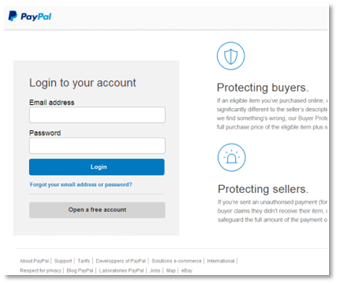
Say you got an email that said your PayPal account had an issue. Would you type your account information here if you found yourself on this page? If so, you would have handed over your information to a scammer. 

We took the screenshot above as part of following a phishing attack to its end—without entering any legitimate info, of course. In fact, we entered a garbage email address and password, and it still let us in. That’s because the scammers were after other information, as you’ll soon see. 

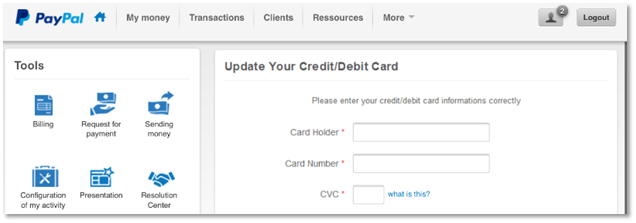
As we dug into the site more deeply, it looked pretty spot on. The design mirrored PayPal’s style, and the footer links appeared official enough. Yet then we looked more closely. 

Note the subtle errors, like “card informations” and “Configuration of my activity.” While companies make grammatical errors on occasion, spotting them in an interface should hoist a big red flag. Plus, the site asks for credit card information very early in the process. All suspicious. 

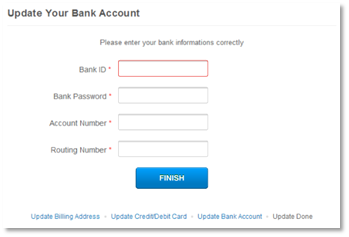
Here’s where the attackers really got bold.  

They ask for bank “informations,” which not only includes routing and account numbers, but they ask for the account password too. As said, bold. And entirely bogus. 

Taken all together, the subtle errors and the bald-faced grab for exacting account information clearly mark this as a scam. 

Let’s take a few steps back, though. Who sent the phishing email that directed us to this malicious site? None other than “paypal at inc dot-com.” 

Clearly, that’s a phony email. And typical of a phishing attack where an attacker shoehorns a familiar name into an unassociated email address, in this case “inc dot-com.” Attackers may also gin up phony addresses that mimic official addresses, like “paypalcustsv dot-com.” Anything to trick you.  

Likewise, the malicious site that the phishing email sent us to used a spoofed address as well. It had no official association with PayPal at all—which is proof positive of a phishing attack. 

Note that companies only send emails from their official domain names, just as their sites only use their official domain names. Several companies and organizations will list those official domains on their websites to help curb phishing attacks.  

For example, PayPal has a page that clearly states how it will and will not contact you. At McAfee, we have an entire page dedicated to preventing phishing attacks, which also lists the official email addresses we use. 

Other examples of phishing attacks 

Not every scammer is so sophisticated, at least in the way that they design their phishing emails. We can point to a few phishing emails that posed as legitimate communication from McAfee as examples. 

There’s a lot going on in this first email example. The scammers try to mimic the McAfee brand, yet don’t pull it off. Still, they do several things to try to act convincing. 

Note the use of photography and the box shot of our software, paired with a prominent “act now” headline. It’s not the style of photography we use. Not that people would generally know this. However, some might have a passing thought like, “Huh. That doesn’t really look like what McAfee usually sends me.” 

Beyond that, there are a few capitalization errors, some misplaced punctuation, and the “order now” and “60% off” icons look rather slapped on. Also note the little dash of fear it throws in with a mention of “There are (42) viruses on your computer …” 

Taken all together, someone can readily spot that this is a scam with a closer look. 

This next ad falls into the less sophisticated category. It’s practically all text and goes heavy on the red ink. Once again, it hosts plenty of capitalization errors, with a few gaffes in grammar as well. In all, it doesn’t read smoothly. Nor is it easy on the eye, as a proper email about your account should be. 

What sets this example apart is the “advertisement” disclaimer below, which tries to lend the attack some legitimacy. Also note the phony “unsubscribe” link, plus the (scratched out) mailing address and phone, which all try to do the same. 

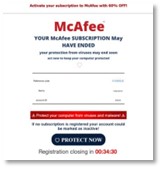
This last example doesn’t get our font right, and the trademark symbol is awkwardly placed. The usual grammar and capitalization errors crop up again, yet this piece of phishing takes a slightly different approach. 

The scammers placed a little timer at the bottom of the email. That adds a degree of scarcity. They want you to think that you have about half an hour before you are unable to register for protection. That’s bogus, of course. 

Seeing any recurring themes? There are a few for sure. With these examples in mind, get into the details—how you can spot phishing attacks and how you can avoid them altogether. 

How to spot and prevent phishing attacks. 

Just as we saw, some phishing attacks indeed appear fishy from the start. Yet sometimes it takes a bit of time and a particularly critical eye to spot. 

And that’s what scammers count on. They hope that you’re moving quickly or otherwise a little preoccupied when you’re going through your email or messages. Distracted enough so that you might not pause to think, is this message really legit? 

One of the best ways to beat scammers is to take a moment to scrutinize that message while keeping the following in mind … 

They play on your emotions. 

Fear. That’s a big one. Maybe it’s an angry-sounding email from a government agency saying that you owe back taxes. Or maybe it’s another from a family member asking for money because there’s an emergency. Either way, scammers will lean heavily on fear as a motivator. 

If you receive such a message, think twice. Consider if it’s genuine. For instance, consider that tax email example. In the U.S., the Internal Revenue Service (IRS) has specific guidelines as to how and when they will contact you. As a rule, they will likely contact you via physical mail delivered by the U.S. Postal Service. (They won’t call or apply pressure tactics—only scammers do that.) Likewise, other nations will have similar standards as well. 

They ask you to act—NOW. 

Scammers also love urgency. Phishing attacks begin by stirring up your emotions and getting you to act quickly. Scammers might use threats or overly excitable language to create that sense of urgency, both of which are clear signs of a potential scam. 

Granted, legitimate businesses and organizations might reach out to notify you of a late payment or possible illicit activity on one of your accounts. Yet they’ll take a far more professional and even-handed tone than a scammer would. For example, it’s highly unlikely that your local electric utility will angrily shut off your service if you don’t pay your past due bill immediately. 

They want you to pay a certain way. 

Gift cards, cryptocurrency, money orders—these forms of payment are another sign that you might be looking at a phishing attack. Scammers prefer these methods of payment because they’re difficult to trace. Additionally, consumers have little or no way to recover lost funds from these payment methods. 

Legitimate businesses and organizations won’t ask for payments in those forms. If you get a message asking for payment in one of those forms, you can bet it’s a scam. 

They use mismatched addresses. 

Here’s another way you can spot a phishing attack. Take a close look at the addresses the message is using. If it’s an email, look at the email address. Maybe the address doesn’t match the company or organization at all. Or maybe it does somewhat, yet it adds a few letters or words to the name. This marks yet another sign that you might have a phishing attack on your hands. 

Likewise, if the message contains a web link, closely examine that as well. If the name looks at all unfamiliar or altered from the way you’ve seen it before, that might also mean you’re looking at a phishing attempt. 

Protect yourself from phishing attacks 

  1. Go directly to the source. Some phishing attacks can look convincing. So much so that you’ll want to follow up on them, like if your bank reports irregular activity on your account or a bill appears to be past due. In these cases, don’t click on the link in the message. Go straight to the website of the business or organization in question and access your account from there. Likewise, if you have questions, you can always reach out to their customer service number or web page.  
  2. Follow up with the sender. Keep an eye out for emails that might be a spear phishing attack. If an email that looks like it came from a family member, friend, or business associate, follow up with them to see if they sent it. Particularly if asks for money, contains a questionable attachment or link, or simply doesn’t sound quite like them. Text, phone, or check in with them in person. Don’t follow up by replying to the email, as it may have been compromised.   
  3. Don’t download attachments. Some phishing attacks send attachments packed with malware like the ransomware, viruses, and keyloggers we mentioned earlier. Scammers may pass them off as an invoice, a report, or even an offer for coupons. If you receive a message with such an attachment, delete it. And most certainly don’t open it. Even if you receive an email with an attachment from someone you know, follow up with that person. Particularly if you weren’t expecting an attachment from them. Scammers will often hijack or spoof email accounts of everyday people to spread malware.  
  4. Hover over links to verify the URL. On computers and laptops, you can hover your cursor over links without clicking on them to see the web address. If the URL looks suspicious in any of the ways we mentioned just above, delete the message, and don’t ever click. 

Protect yourself from email attacks even further 

Online protection software can protect you from phishing attacks in several ways. 

For starters, it offers web protection that warns you when links lead to malicious websites, such as the ones used in phishing attacks. In the same way, online protection software can warn you about malicious downloads and email attachments so that you don’t end up with malware on your device. And, if the unfortunate does happen, antivirus can block and remove malware. 

Online protection software like ours can also address the root of the problem. Scammers must get your email address from somewhere. Often, they get it from online data brokers, sites that gather and sell personal information to any buyer—scammers included.  

Data brokers source this information from public records and third parties alike that they sell in bulk, providing scammers with massive mailing lists that can target thousands of potential victims. You can remove your personal info from some of the riskiest data broker sites with our Personal Data Cleanup, which can lower your exposure to scammers by keeping your email address out of their hands. 

In all, phishing emails have telltale signs, some more difficult to see than others. Yet you can spot them when you know what to look for and take the time to look for them. With these attacks so prevalent and on the rise, looking at your email with a critical eye is a must today. 


The post How to Spot Phishing Emails and Scams appeared first on McAfee Blog.

  •  

W-2s Are Arriving. Here’s How to Spot and Avoid Tax Scams

W-2s are arriving, and tax season officially begins the moment they do.

That timing makes this a prime window for tax scams, especially phishing attempts designed to look like routine requests from employers or the IRS. Knowing how these scams work can help you protect your information before filing.

What Is a W-2 Phishing Scam? 

A W-2 phishing scam is a form of social engineering where scammers trick you into sharing your W-2 or other tax information. 

These scams often impersonate: 

  • The IRS or a tax authority 
  • Your employer or HR department 
  • A payroll provider or tax software company

Modern phishing emails are often polished, correctly branded, and free of obvious spelling or grammar mistakes. Knowing how to spot phishing emails now requires paying attention to context and behavior, not writing quality alone. 

How W-2 Phishing Scams Usually Work 

Most W-2 scams follow a familiar pattern: 

  • A message arrives when you expect tax communication 
  • It appears official or internal 
  • You’re asked to upload, email, or confirm documents 
  • A link or attachment leads to a fake portal or malware 

Modern phishing emails are often well written, branded correctly, and free of obvious mistakes. Grammar alone is no longer a reliable warning sign. 

Why W-2 Scams Are So Dangerous 

A stolen W-2 isn’t just a tax problem. 

Once scammers have access to your personal and income information, they can: 

  • File a fraudulent tax return and claim your refund 
  • Open new credit accounts 
  • Apply for loans or benefits 
  • Sell your identity data 

According to the FBI’s Internet Crime Complaint Center, tax-related phishing spikes every filing season, and recovery can take months or longer once fraud occurs. 

Tax Refund Scams and IRS Phishing Scams Explained 

Tax refund fraud happens when scammers use stolen identity informationoften obtained through W-2 phishing, to file a tax return before you do. 

Many victims don’t discover the fraud until: 

  • Their return is rejected because one was already filed 
  • The IRS notifies them of suspicious activity 
  • Their expected refund never arrives 

Scammers often follow up with fake messages claiming there’s a “refund issue” that requires you to verify personal information, pushing victims deeper into the scam. 

Filing early is one of the most effective ways to reduce refund fraud risk. 

Other W-2 and Tax Season Scams to Watch For 

Fake Tax Preparation Websites 

Some scammers create lookalike tax filing sites or buy ads that redirect to fraudulent portals. These sites collect W-2s, Social Security numbers, and banking details. 

Red flag: Misspelled URLs, unfamiliar domains, or sites asking for excessive information up front. 

IRS Impersonation by Phone or Text 

Scammers call or text claiming to be IRS agents, sometimes spoofing caller ID. 

Important: The IRS does not initiate contact by phone, text, or social media demanding immediate action or payment. 

Workplace W-2 Requests 

Employees may receive emails appearing to come from HR or payroll asking them to resend W-2s or verify information. 

Red flag: Requests that feel rushed or arrive outside normal company processes. 

Practical Steps to Protect Your W-2 and Tax Information 

Verify before you share 

If someone asks for your W-2 or tax documents, confirm the request through a separate channel before sending anything. 

Use secure sharing methods 

Avoid emailing tax documents as attachments. Use secure portals or encrypted file-sharing tools whenever possible. 

Protect your devices and use a VPN 

Keep your devices updated and use security tools that can flag malicious links, fake sites, and suspicious messages across email, text, and social platforms. Whether you’re submitting taxes on an unsecure network at a public coffee shop, or on your home’s private Wi-Fi, a VPN adds an extra layer of security and protection as you file. 

File as soon as you’re ready 

Early filing limits the window scammers have to file a fraudulent return in your name. 

Watch for refund red flags 

Unexpected refund notices, verification requests, or delays should be checked directly through official IRS channels, not links in messages. 

What to Do If You’re a Victim of a W-2 Phishing Scam  

If you believe your tax information was exposed: 

  1. Stop communicating with the sender 
  2. Contact the IRS and file Form 14039 (Identity Theft Affidavit) 
  3. Report the scam to the FTC at FTC.gov 
  4. Monitor financial and credit accounts 
  5. Consider a fraud alert or credit freeze 
  6. Run a security scan on your device (check out our free trial)

Taking action early can significantly reduce long-term damage. 

Frequently Asked Questions 

Q: Does the IRS ever email or text about tax issues?  

A: No. The IRS does not request personal or financial information via email, text, or social media.  

Q: Can someone file taxes using my W-2?  

A: Yes. With enough personal information, criminals can file a fraudulent return and claim your refund.  

Q: What is tax refund fraud?  

A: Refund fraud occurs when scammers file a false tax return using stolen identity data and collect the refund before the real taxpayer files.  

Q: How can I tell if a tax filing website is fake?  

A: Check the URL carefully, avoid ads that redirect unexpectedly, and use well-known, verified services.  

Q: Is it safe to email my W-2 to my accountant?  

A: Email is not ideal. Secure portals or encrypted file-sharing tools are safer options.


The post W-2s Are Arriving. Here’s How to Spot and Avoid Tax Scams appeared first on McAfee Blog.

  •  
❌