Last spring, Sarah Chen opened what looked like a routine message from her bank. The email had the right logo, a professional tone, and even addressed her by name. But within minutes of clicking a link and entering her credentials, her checking account was emptied. The sender’s address appeared perfect, but it was one letter off.
Sarah’s story isn’t unique. In the first three quarters of 2025, cyber incident response company Zensec reported that about 3.4 billion phishing emails were sent every day across the globe. Meanwhile, Google blocks over 100 million phishing emails every day, yet many still reach email users. Meanwhile, in a 2025 U.S. survey, the Pew Research Center revealed that 61% of adults received scam emails at least weekly in 2025.
Scams have become sophisticated, using AI to craft convincing messages that are nearly impossible to distinguish from legitimate ones. In this guide, we’ll explore how to protect yourself from phishing scams, recognize the latest tactics, and use strategies to keep your inbox, your personal information, and your money safe.
What Is a Phishing Scam?
Phishing scams are deceptive messages that pretend to be a trusted source to trick you into revealing sensitive information or installing malware. These scams often appear to come from trusted entities such as banks, employers, or popular brands and try to trick you into clicking a malicious link, downloading harmful attachments, or providing confidential information such as login credentials, financial details, or personal data.
Modern campaigns are polished, personalized, and timed to feel routine, which is why blocking them, not just spotting them, has become essential.
Types of Phishing Scams
Phishing scams come in various forms, each tailored to exploit different communication channels. The most common types include:
- Email Phishing: These scams arrive in your inbox, often disguised as messages from trusted organizations like banks, retailers, or employers. They may include links to fake websites, requests for sensitive information, or malicious attachments.
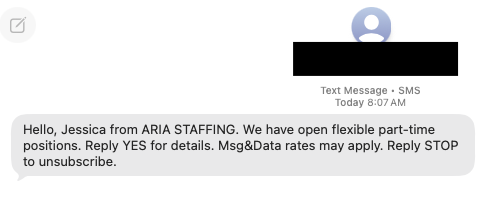
- Text Message Phishing (Smishing): Delivered via SMS, these “smishing” messages often claim to be urgent alerts about your accounts, packages, or payments. They include links to fraudulent websites or prompts to reply with personal information.
- Phone Call Phishing (Vishing): Scammers impersonate legitimate representatives over the phone, asking for sensitive details under the guise of resolving an issue or confirming account information. This is called “Vishing”.
- Social Media Phishing: Fake profiles or direct messages on platforms like Facebook or Instagram trick users into sharing personal information or clicking harmful links.
How Do Phishing Scams Work?
Phishing scams rely on social engineering with technical evasion. Here’s how they typically unfold:
- The Hook: Scammers craft a message designed to grab your attention—often using urgency, fear, or curiosity.
- The Bait: The message includes a link, attachment, or request that appears legitimate but is designed to deceive. On the back end, they use look‑alike domains, spoofed sender names, and hosting that shifts quickly to avoid detection.
- The Trap: Once you click the link or provide information, the scammer gains access to your accounts, data, or even your device.
Your email provider runs multiple layers of defense on every incoming message. These include domain authentication checks, IP reputation tracking, and content analysis that evaluates sender history, wording patterns, and link destinations to produce a risk score. If a server has been sending spam or phishing messages, messages from that source are more likely to be filtered for everyone.
Despite these controls, advanced phishing still slips through. Generative AI helps criminals craft messages with perfect grammar and formatting. Data from previous breaches lets them insert real names, addresses, and partial account details. The result feels normal and urgent at the same time, which increases the chance of a click.
Email Phishing Scams Examples
Phishing emails come in many forms, each tailored to exploit specific vulnerabilities. Below are some of the most prevalent and dangerous examples of modern phishing tactics:
Example 1: AI-Assisted Phishing Scams
Gone are the days of poorly worded emails riddled with typos. Most scammers now use Generative AI tools to create emails that are indistinguishable from legitimate communications. These messages feature:
- Perfect grammar and spelling
- Appropriate formatting
- Accurate logos and branding
- Contextually appropriate tone and language.
When a message reads exactly like something your bank, your boss, or Amazon would actually send, content-based filters struggle because there are no obvious red flags to catch.
Example 2: QR Code Phishing
Scammers have discovered a clever way to bypass traditional email filters: by embedding malicious links in a QR code. This new phishing technique, called quishing, has exploded in popularity since email filters are often unable to scan the content of an image. In Q2 2025 alone, the Anti-Phishing Working Group (APWG) detected over 635,000 unique malicious quishing codes impacting 1,642 different brands. The attacks climbed to more than 716,000 by Q3. When you scan the QR code, you think you’re accessing a legitimate shipping update or payment portal, but suddenly, you’re on an attacker-controlled site entering your credentials.
Example 3: Multi-Factor Authentication Bypass Phishing Scams
Criminals have developed man-in-the-middle methods to defeat even multi-factor authentication by creating websites that look identical to real login pages. When you enter your password and complete your multi-factor authentication challenge, the website captures everything in real time and immediately uses it to access your actual account. These attacks work because you’re technically completing real authentication steps, just on the wrong site.
Example 4: Personalized Phishing Scams
When companies such as healthcare providers or financial institutions suffer data breaches, it’s the consumers’ personal information that ends up in criminal databases. Scammers then use your data to craft a second wave of phishing campaigns with your actual name, partial account numbers, addresses, or even recent purchase history. Since traditional spam filters haven’t yet caught up to match these highly personal and relevant spam patterns, it’s harder to distinguish real from fake without additional tools and verification steps.
How to Recognize Modern Phishing Scams
Modern phishing is designed to look routine, but small inconsistencies still give it away. Here are some telltale signs to watch for:
- Urgency: Messages that demand immediate action, such as “Your account will be locked in 24 hours.”
- Suspicious Links or Sender Details: Sender details that are close but not exact. Hover over links to check their destination before clicking. Legitimate URLs should match the sender’s domain.
- Generic Greetings: Be wary of emails that address you as “Dear Customer” instead of using your name.
- Unexpected Attachments: Avoid opening attachments from unknown or unverified senders, especially from senders who rarely send files.
- Requests to verify an account: Messages that ask you to verify, confirm, or fix an account through a link or a QR code rather than through the official site or app.
How to Prevent Phishing Scams
Your actions shape how phishing reaches you and how well your email filters improve over time. Simple habits can reduce your exposure, and technical protections can block phishing attempts before they reach you.
Everyday Habits That Help You Avoid Phishing Scams
Even small changes in how you interact with email can dramatically lower your risk. These everyday habits help you recognize suspicious messages and avoid common phishing traps:
Use the Verification Rule to Spot Phishing Scams Before You Click
Make this your new personal policy: Never click links or attachments directly from an unsolicited or unexpected email. Always go to the website yourself via a bookmark or typed address. Bookmark the login pages for your bank, credit card companies, and other financial services. When you receive an email saying there’s a problem with your account, close the email and use your bookmark instead.
Report Phishing Emails and Train Your Filter
This is one of the most powerful steps you can take. When you mark an email as spam or phishing rather than just deleting it, you teach the filter what malicious messages look like and improve future blocking, not just for you but for everyone using that email service. Clicking “Report Spam” contributes to a global defense system. You could also contact the official organization using a trusted method, forward phishing emails to the Anti-Phishing Working Group, and report them to the Federal Trade Commission. This reporting improves filters for everyone and helps law enforcement track criminal operations. Delete the message after reporting it.
Does marking as phishing scam block future emails?
When you mark an email as phishing, your provider uses that feedback to block similar emails in the future, for both you and other users.
Use Separate Email Addresses
Having different emails for different purposes dramatically reduces exposure. Consider maintaining three email addresses: one for important accounts such as banking, government, and healthcare, another for shopping and commercial subscriptions, and a third one for miscellaneous signups and newsletters you don’t care much about. When your designated shopping email receives a message claiming to be from your bank, you immediately know it’s fake.
Consider Email Aliases
This service, offered by many providers, lets you create multiple addresses that all deliver to one inbox, giving you the organizational benefits without juggling multiple accounts. You can even set up filters to automatically sort incoming messages based on which alias received them.
Top Solutions for Blocking Phishing Scams
Your email and devices already include powerful security features; you just need to turn them on. These technical solutions work automatically in the background to block harmful messages and stop threats before they cause damage.
Turn on Inbox Security Settings
Your email account itself is often the “master key” to your digital life. Open your email settings and look for options such as “safe links,” “safe browsing,” “enhanced spam protection,” or “phishing protection.” These features exist in most major email services but aren’t always enabled by default. Gmail users should check under Settings → See all settings → Filters and Blocked Addresses. Outlook users should visit Settings → Mail → Junk email. Five minutes of configuration provides ongoing protection.
Verify your device protection is active
Whether you use McAfee, built-in device protection, or another security solution, check that it’s running and up to date. Open the application and look for a status indicator showing real-time protection is enabled. If you see any warnings or update prompts, address them immediately. This protection catches threats that slip past your email filters in case you accidentally click a malicious link.
Turn on Two-Factor Authentication
Two- or multi-factor authentication (2FA or MFA) means that even if a phishing attack captures your password, criminals still can’t access your account without a second verification factor sent to your phone or generated by an authenticator app. Gmail, Outlook, Yahoo Mail, and other major providers all offer robust 2FA or MFA options in security settings.
Enable Security Alerts
When someone tries to access your account from a new device or a different country, you’ll receive an immediate notification. This early warning lets you secure your account before any damage occurs.
Set up Custom Email Filters and Rules
Most email services allow you to create custom filters and rules for common red-flag keywords or phrases such as “urgent action required,” “verify your account,” “suspended account,” “unusual activity,” or “confirm your identity.” You could also add suspicious domains to your blocked senders list. Another way to filter emails is to unsubscribe from newsletters you never read. Every legitimate marketing email should have an “Unsubscribe” link at the bottom.
Combine Email Security with Browser and Device Protections
Email security isn’t just about your inbox. Blocking phishing at the browser level is a critical second line of defense. Modern versions of Chrome, Firefox, Safari, and Edge all scan known malicious sites. When you click a phishing link from an email, your browser often shows a warning before letting you proceed. Consider installing reputable web filtering services that block known malicious domains from loading, even if you click the link. Just as importantly, keep your operating system and security software up to date to ensure you benefit from new threat intelligence and improved detection of emerging phishing techniques.
What to Do If You Fall for a Phishing Scam
If you realize you may have clicked a malicious link or shared information with a phishing site, take action right away. Here’s what to do:
- Disconnect Your Device: Immediately disconnect your device from the internet to prevent further data theft or malware spread. If possible, power it down until you can assess the situation.
- Change Compromised Passwords: Immediately update the passwords for any accounts that may have been compromised. Use strong, unique passwords for each account.
- Enable Multi-Factor Authentication (MFA): Add an extra layer of security to your accounts by enabling MFA wherever possible. This makes it harder for attackers to gain access, even if they have your password.
- Notify Affected Institutions: Contact your bank, email provider, or any other relevant organization to report the breach. They can help secure your accounts and monitor for suspicious activity.
- Run a Malware Scan: Use trusted antivirus or anti-malware software to scan your device for any malicious programs that may have been installed during the attack. Ensure the software is up to date.
- Monitor Your Accounts: Keep a close eye on your financial and online accounts for unauthorized transactions or changes. Consider setting up alerts for added vigilance.
Report the Scam
Report the phishing attack to relevant authorities, such as the Federal Trade Commission (FTC) or Anti-Phishing Working Group (APWG). This helps prevent others from falling victim to the same scam.
Final Thoughts
Phishing will continue to evolve as criminals keep finding new techniques. But you now know where your protection comes from: built-in filters, your email provider’s technology, and smart email habits.
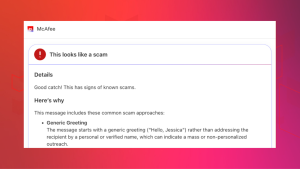
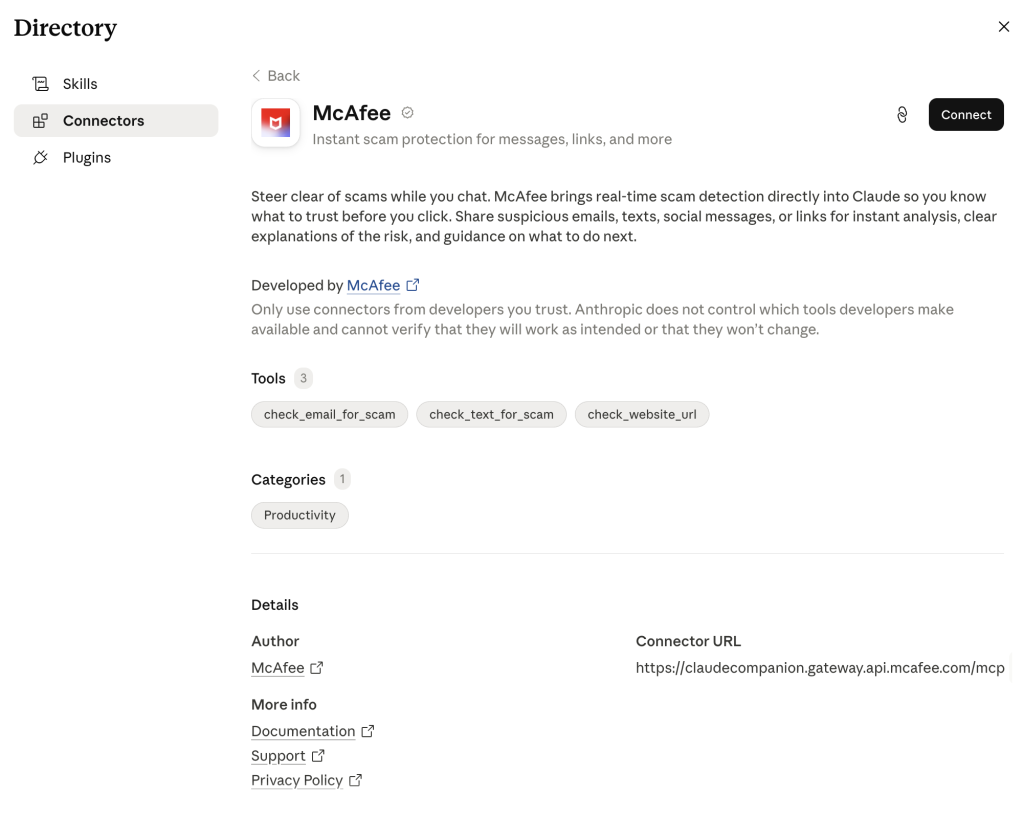
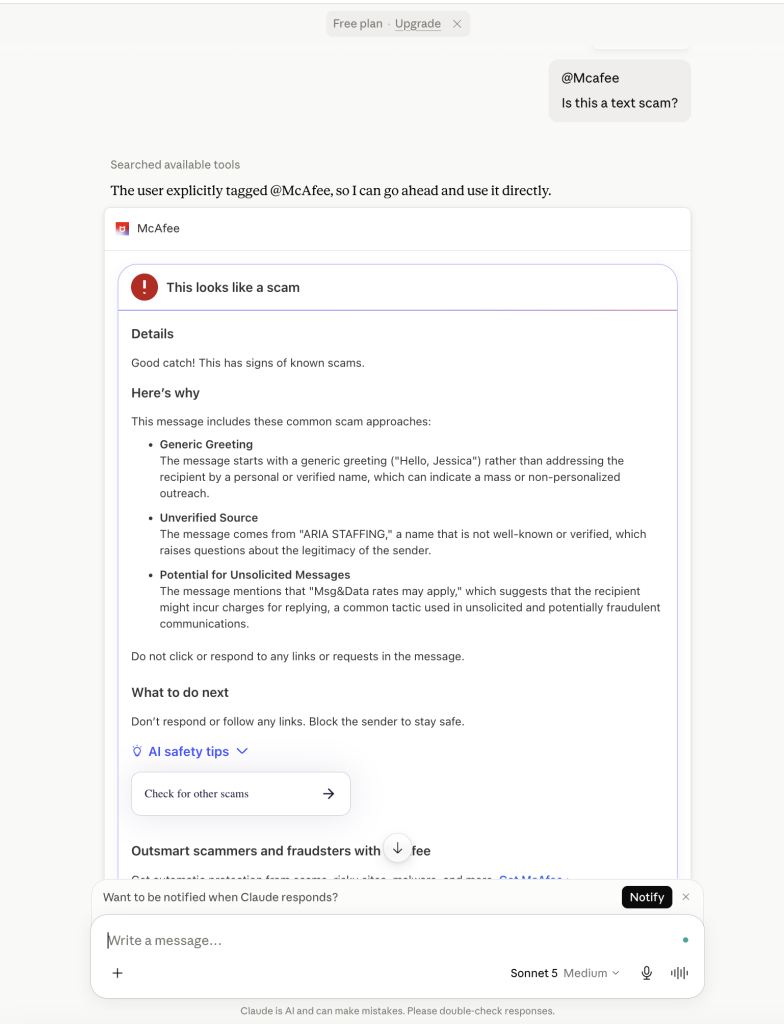
Relying exclusively on your email provider’s built-in protection, however, may leave gaps that modern phishing campaigns can exploit. Adding reliable security software, such as McAfee+, can provide you with additional layers of defense. McAfee offers web protection that checks links in real time, as well as real-time attachment and download scanning that analyzes files for malware. Meanwhile, our scam protection features help you detect threats across multiple channels, including email, texts, social platforms, and even risky QR codes. Identity protection also helps you recognize and respond to phishing attacks that lead to credential theft or misuse of personal information.
These solutions work automatically, implementing complex protections in the background as soon as you set them up. McAfee is committed to innovating its solutions so that we can keep track of new phishing tricks and update your defenses automatically.
The post How to Protect Yourself From Phishing Scams appeared first on McAfee Blog.

 Login
Login