Due to the increasing trend of OAuth abuse in phishing and most users' lack of understanding between Device Code and OAuth App Consent phishing, I just added them to the PhishU Framework. Now with a quick, two-step process red teams and internal orgs can leverage the templates to train users for this very real-world attack.
Write up of a vulnerability chain from a recent SaaS pen test. Two medium-severity findings (file upload bypass and stored XSS) chained together for full admin account creation.
The target had CSP restricting script sources to self, CORS locked down, and CSRF tokens on forms. All functioning correctly. The chain bypassed everything by staying same-origin the entire way.
The file upload had no server-side validation (client-side accept=".pdf" only), so we uploaded a JS payload. It got served back from the app's own download endpoint on the same origin. The stored XSS in the admin inbox messaging system loaded it via an <img onerror> handler that fetched the payload and eval'd it. The payload created a backdoor admin account using the admin's session cookie.
CSP didn't block it because the script was hosted same-origin via the upload. CORS irrelevant since nothing crossed an origin boundary. CSRF tokens didn't matter because same-origin JS can read the DOM and grab them anyway.
Also built a Docker lab that reproduces the exact chain with the security controls in place. PHP app, both vulns baked in, admin + user accounts seeded. Clone and docker-compose up: https://github.com/echosecure/vuln-chain-lab
Plus: Apple makes big claims about the effectiveness of its Lockdown Mode anti-spyware feature, Russia moves to implement homegrown encryption for 5G, and more.
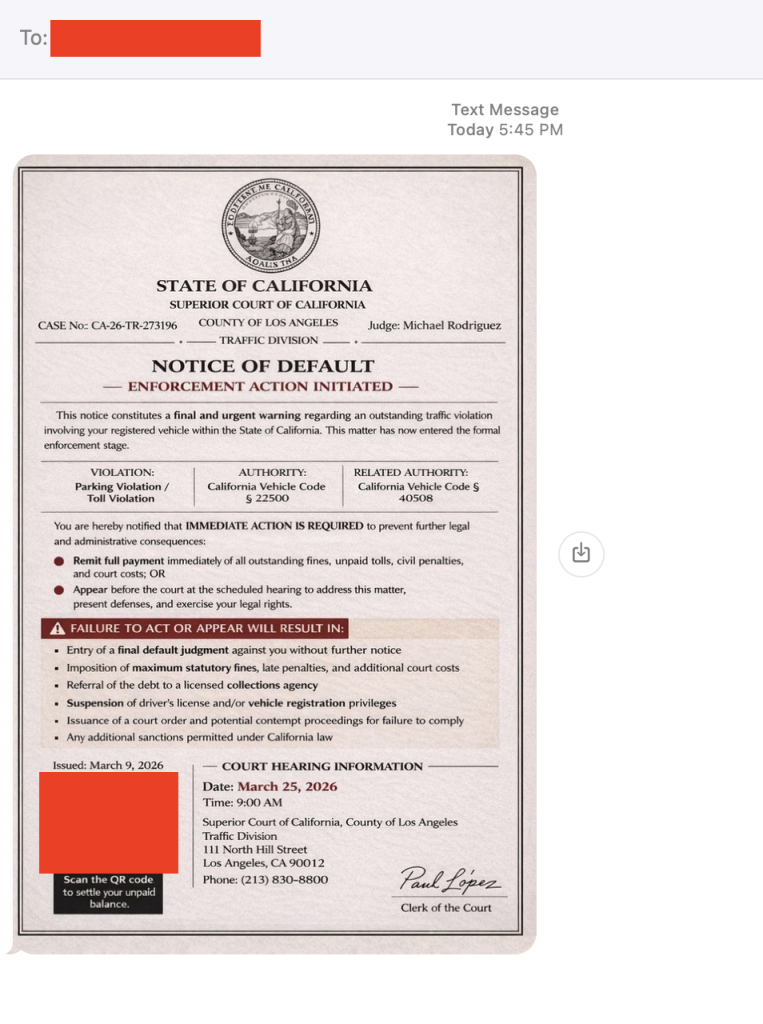
A text that looks like it came straight from a courthouse is making the rounds across the U.S. And yes, I got it too.
First things first, that’s a scam. And to be clear: DON’T SCAN THAT QR CODE.
It’s the same playbook as last year’s toll road scams, just dressed up with a little more authority and a lot more pressure.
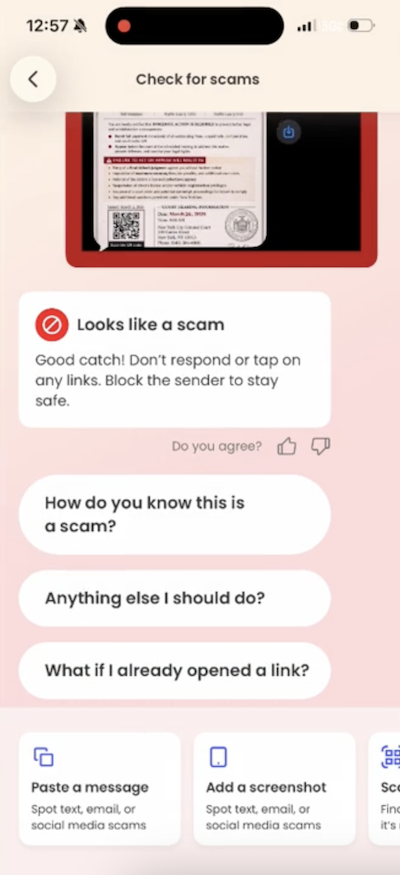
Before doing anything, our team ran it through McAfee’s Scam Detector. It immediately flagged the message as suspicious, and that’s exactly the kind of moment this tool is built for. When something feels just real enough to second guess, it gives you a clear signal before you click, scan, or spiral.
A screenshot showing Scam Detector in action.
How the scam works
The text claims you’ve missed a payment, violated a law, or have some kind of outstanding “case.” It then pushes you to scan a QR code or click a link to resolve it quickly.
From there, one of two things usually happens:
You’re taken to a fake payment page designed to steal your money, or
You’re prompted to download something that gives scammers access to your device or data
Either way, the goal is the same: get you to act fast before you have time to question it.
Here’s the scam text I got in California. You’ll notice it looks exactly like the others across the country.
The red flags in this message
Urgent, threatening language about fines, penalties, or legal action
Vague accusations with no real details about what you supposedly did
Official-looking formatting like case numbers, clerk signatures, and judge names
Copy-paste consistency across states: McAfee employees in New York and California received nearly identical messages with the same names
There are reports of this scam popping up nationwide, but the rule is simple: law enforcement does not text you to demand payment or resolve legal issues.
What to do if you scanned the QR code
First, don’t panic. Then:
Do not pay anything or enter personal information
Do not delete apps you were told to install (this can make it harder to detect what happened)
Run a device scan using a trusted security tool like McAfee’s free antivirus
Keep an eye on your financial accounts and logins for unusual activity
And that, my friends, is scam number one in this week’s This Week in Scams (new format, we’re experimenting a little).
Let’s get into what else is on our radar.
What to Know About an Alleged Crunchyroll Breach
Anime streaming platform Crunchyroll is investigating claims of a data breach involving customer support ticket data, potentially impacting millions of users.
According to TechCrunch, access appears to involve a third-party vendor system, a reminder that even strong security setups still rely on people and partners, which can introduce risk in everyday moments.
Even if you’ve never entered your credit card into a support form, these tickets can still include:
Email addresses
Usernames
Screenshots or account details
Conversations that reveal habits, subscriptions, or personal context
That’s more than enough for scammers to build highly believable follow-ups.
Why this matters right now
When breaches like this surface, scammers don’t wait. They use the moment to send emails and messages that feel timely, relevant, and legitimate.
For example, scammers might send messages pretending to be Crunchyroll and suggesting you “click this link to secure your account” after the breach. In reality, that “security check” exposes your information.
This is where tools like Scam Detector come back into play, flagging suspicious links and messages even when they reference real companies or real events.
What to do if you have a Crunchyroll account
Change your password, especially if you’ve reused it elsewhere
Turn on two-factor authentication
Be cautious of emails referencing the breach or asking you to “secure your account”
Avoid clicking links and go directly to the official site instead
How McAfee Helps You Stay Ahead of Scams and Breaches
McAfee+ Advanced gives you multiple layers working together so you’re not left figuring it out in the moment:
Scam Detector flags suspicious texts, emails, links, and even deepfake videos before you engage
Safe Browsing helps block risky sites if you do click or scan
Device Security helps detect and remove malicious apps or downloads
Identity Monitoring alerts you if your personal info shows up where it shouldn’t, so you can act fast
Personal Data Cleanup helps remove your information from data broker sites, making you a harder target in the first place
Secure VPN keeps your data private, especially on public Wi-Fi
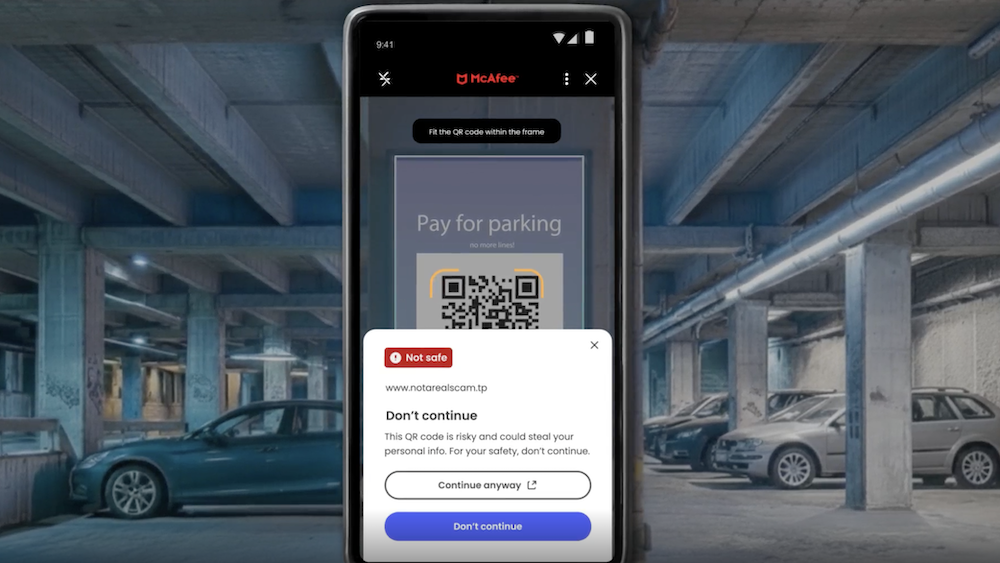
Plus our instant QR code scam checks will flag suspicious QR codes before you scan them.
Safety tips to carry into next week
Slow down when a message creates urgency. That’s the hook
Don’t scan QR codes or click links from unexpected texts
Go directly to official websites instead of using links sent to you
Use tools that flag scams in real time so you don’t have to guess
The reality is, these scams are designed to look normal. You shouldn’t have to be an expert to spot them. That’s why McAfee’s here to help.
We’ll be back next week with more scams making headlines.
Trust me, the right kitchen tools make a big difference in your culinary life. Some of my favorites are discounted during Amazon's Big Spring Sale, but it ends tonight.
Instantly upgrade your gaming or work computer's storage with these high-capacity SSDs from Western Digital even after Amazon's Big Spring Sale has ended.
Experts say that an American ground operation targeting nuclear sites in Iran would be incredibly complicated, put troops’ lives at great risk—and might still fail.
Spring is the perfect time to plan your garden, and you can get last-minute discounts on gardening gadgets on the final day of Amazon's Big Spring Sale.
My favorite DeWalt power tool kit is ideal for DIY beginners and tradespeople, and it's near an all-time low price right now. Get it on the last night of Amazon's Spring Sale.
The Telegram-based Xinbi Guarantee black market sells services that help prop up scam operations. British officials just hit the highly lucrative marketplace with sweeping sanctions.

 Login
Login